Building trust in AM: How Qualified AM GmbH is enabling regulated production at scale
Additive Manufacturing is gaining traction in regulated industries, but broader adoption depends on proven qualification frameworks. This article explores the methodology developed by Qualified AM GmbH, demonstrated through case studies in the semiconductor, rail, and remote manufacturing environments. Whether applying ISO/ASTM 52920, 52904, 52930, 52928, 52901 or industry standards such as ISO 9001, AS/EN 9100, and ISO 13485, Qualified AM supports industry with a scalable, standards-based approach to compliant and decentralised AM production. [First published in Metal AM Vol. 11 No. 2, Summer 2025 | 10 minute read | View on Issuu | Download PDF]
Additive Manufacturing is increasingly being adopted in regulated industries due to its capacity for customisation, decentralisation, and faster development cycles. However, the lack of standardised qualification frameworks continues to hinder its full integration into critical supply chains – particularly in sectors where reliability and compliance are essential.
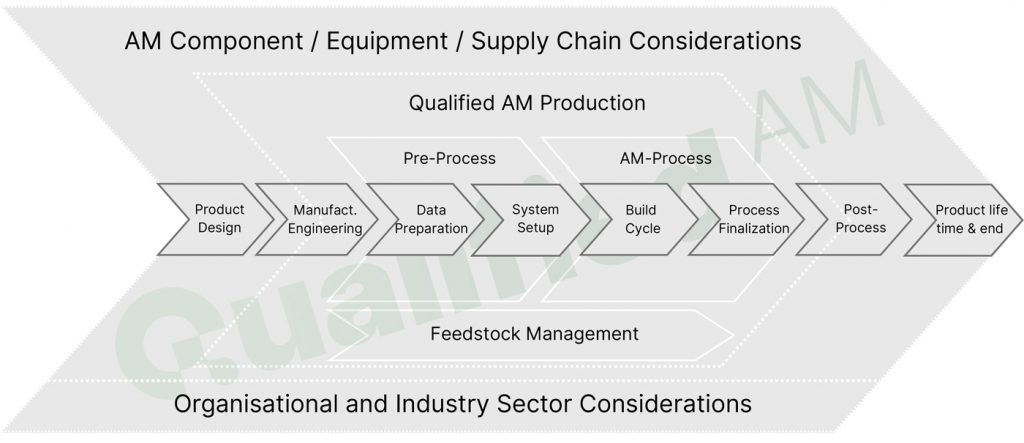
In this context, robust supply chain qualification is key to AM’s success in regulated sectors. Qualified AM’s adaptable methodology combines risk-based customisation, digital integration, and collaborative auditing. This helps companies navigate regulatory complexities, scale operations responsibly, and evaluate cross-domain applicability.
This article outlines Qualified AM’s methodology and its implementation through three case studies: semiconductor manufacturing (ASML), rail operations (Deutsche Bahn), and decentralised AM for remote and regulated environments (Fieldmade).
Despite progress in AM, harmonising sector-specific requirements – particularly in balancing speed, compliance, and documentation – remains a significant challenge. Growing adoption shows the need for professionals who understand both technical and regulatory dimensions. Qualified AM approaches these challenges with a framework that aligns international standards with sector-specific requirements. Supported by training programmes tailored to engineers, quality professionals, and compliance teams, the methodology offers a structured route to achieving both certification and scalability in the production of AM parts.
Background and methodology
Qualified AM’s solutions stem from the EU-funded DILAPRO project. Short for Digital Laser Production, the project was a Horizon Europe/Horizon2020 initiative aimed at advancing laser-based manufacturing, in particular Additive Manufacturing. The project sought to develop the following tools:
DILAFACT – Digital Laser Factory
A software platform using digital twins to simulate and optimise laser-material interactions – whether additive, subtractive, or thermal. It was designed to enhance planning, real-time monitoring, and efficiency, reducing waste and energy use significantly.
DILACERT – Digital Laser Certification
A complementary tool to digitise and semi-automate certification, aligning with ISO/ASTM standards and the International Additive Manufacturing Qualification System (IAMQS) framework. This enables in-process quality verification and faster compliance uploads – critical for high-spec industries.
DILACERT combines automated data validation, machine learning algorithms, and adherence to ISO/ASTM standards to maintain regulatory consistency across multiple industries. Further, the software provides real-time monitoring and feedback mechanisms, aiding manufacturers in maintaining compliance and optimising processes.
Its modular architecture ensures scalability and is suitable for both small-scale operations and large decentralised networks. The software adapts to evolving regulations, upholds robust validation protocols, and offers transparent reporting features.
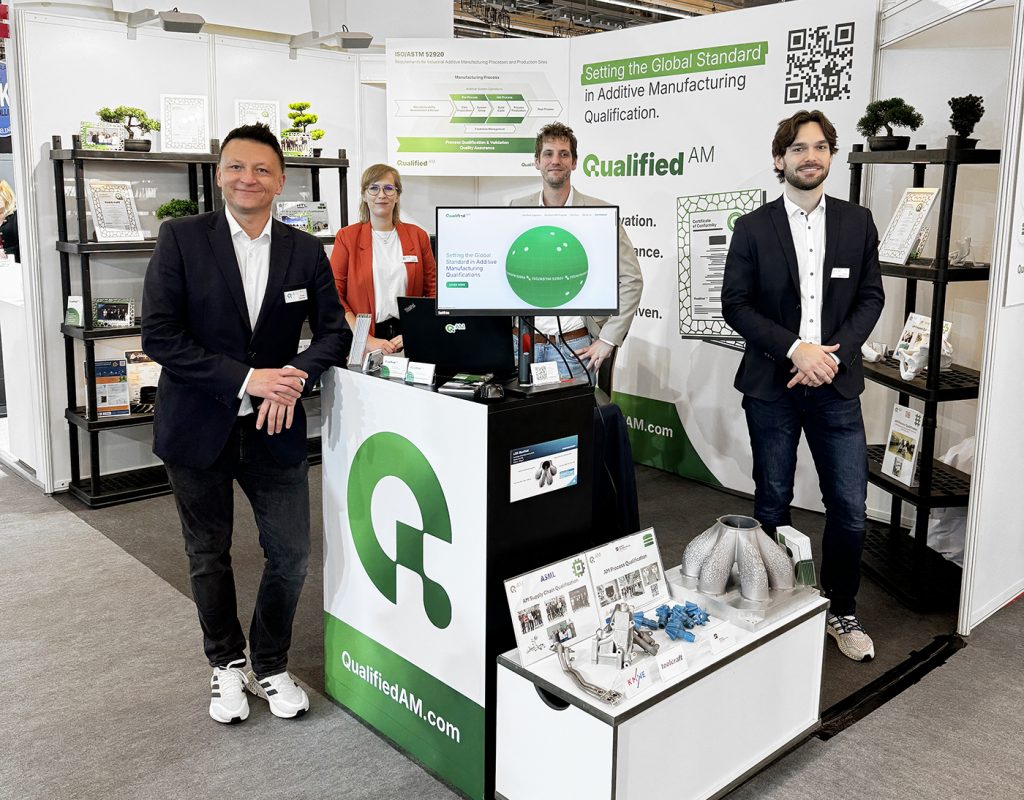
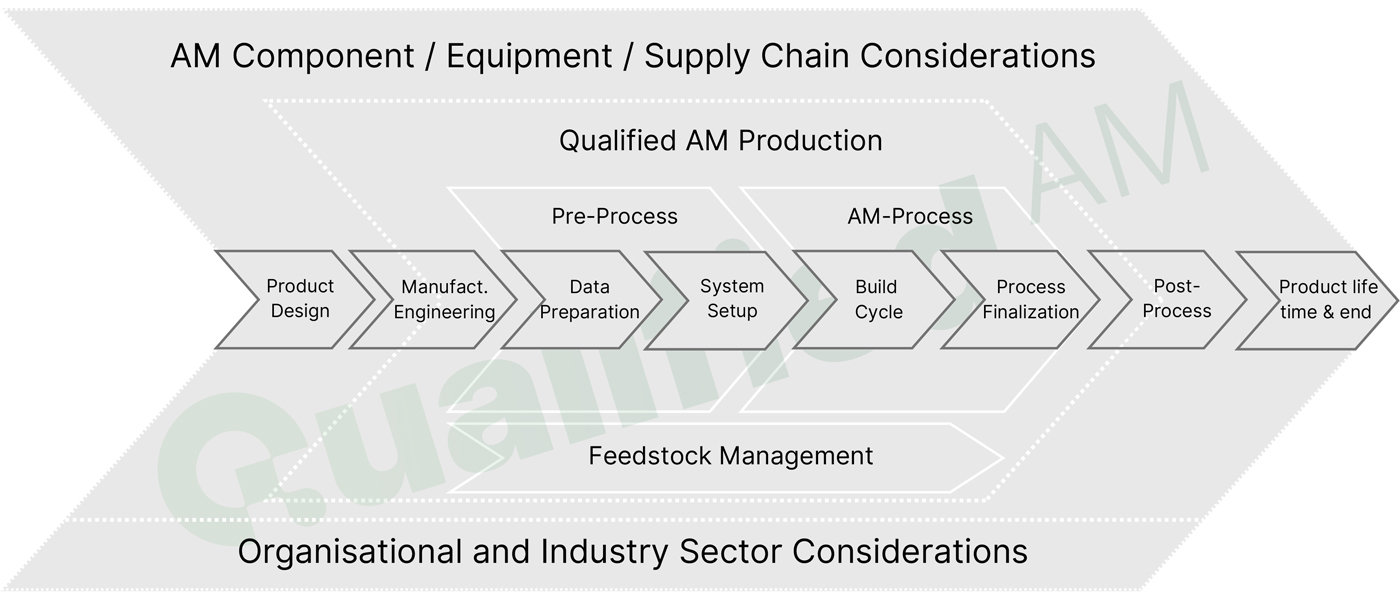
Today, Qualified AM’s process is structured into four key phases, designed to guide organisations through the qualification process and ensure that AM systems are scalable, compliant, and adaptable across various industries:
Phase 1: Scope definition
Establishes the required certification level, categorising parts based on their criticality – from development-stage prototypes to components subject to full regulatory compliance.
Phase 2: Process mapping and risk assessment
This stage maps production processes and identifies potential risks, using ISO/ASTM 52954 and Process Failure Mode and Effects Analysis (PFMEA).
Phase 3: Process qualification
Installation, Operational, and Performance Qualification (IQ/OQ/PQ) procedures are carried out to ensure that equipment, processes, and outputs meet established standards.
Phase 4: Certification and maintenance
The final stage uses SPC and continuous improvement initiatives to ensure long-term compliance and adaptability.
Complementing its digital tools, Qualified AM strongly emphasises collaborative audits. Rather than relying on one-off evaluations, the audit process involves multiple stakeholders in iterative gap-closure activities. This approach facilitates early identification and resolution of issues, aiding in the refinement of the process and ensuring that it continues to meet evolving industry standards.
ASML: first qualified AM supply chain for the semiconductor industry
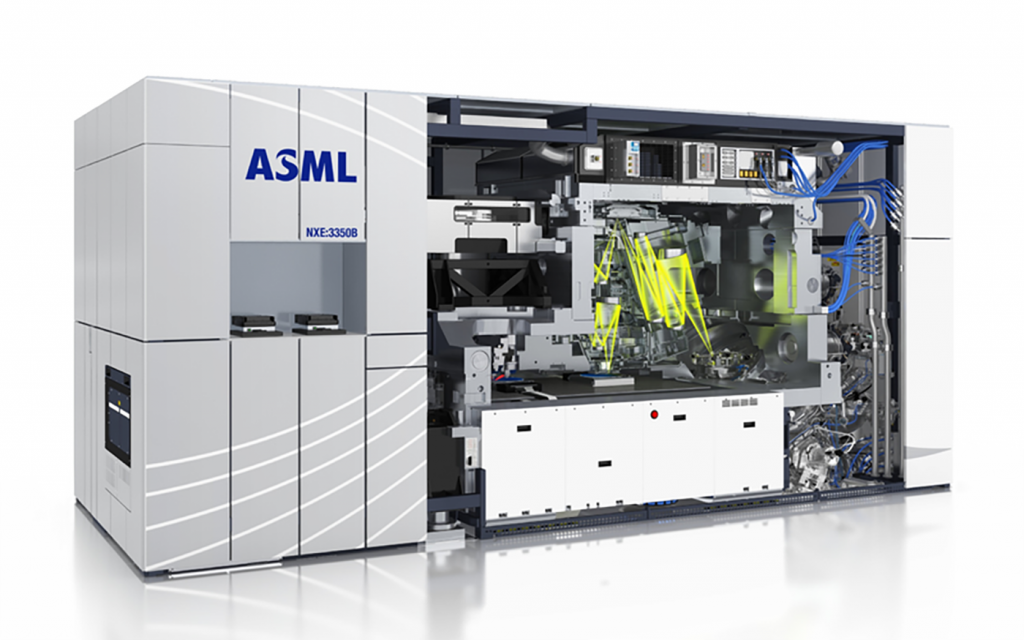
ASML, a global leader in photolithography, partnered with Qualified AM to qualify its AM supply chain for high-precision components. This collaboration resulted in the first qualified supply chain for the semiconductor industry, establishing a robust framework for ensuring consistent, high-quality AM production across multiple suppliers.
ASML’s NXE:3350B photolithography machine plays a key role in semiconductor production, where precision is vital. Ensuring that components used in ultra-clean environments comply with strict quality and traceability requirements presents a significant challenge.
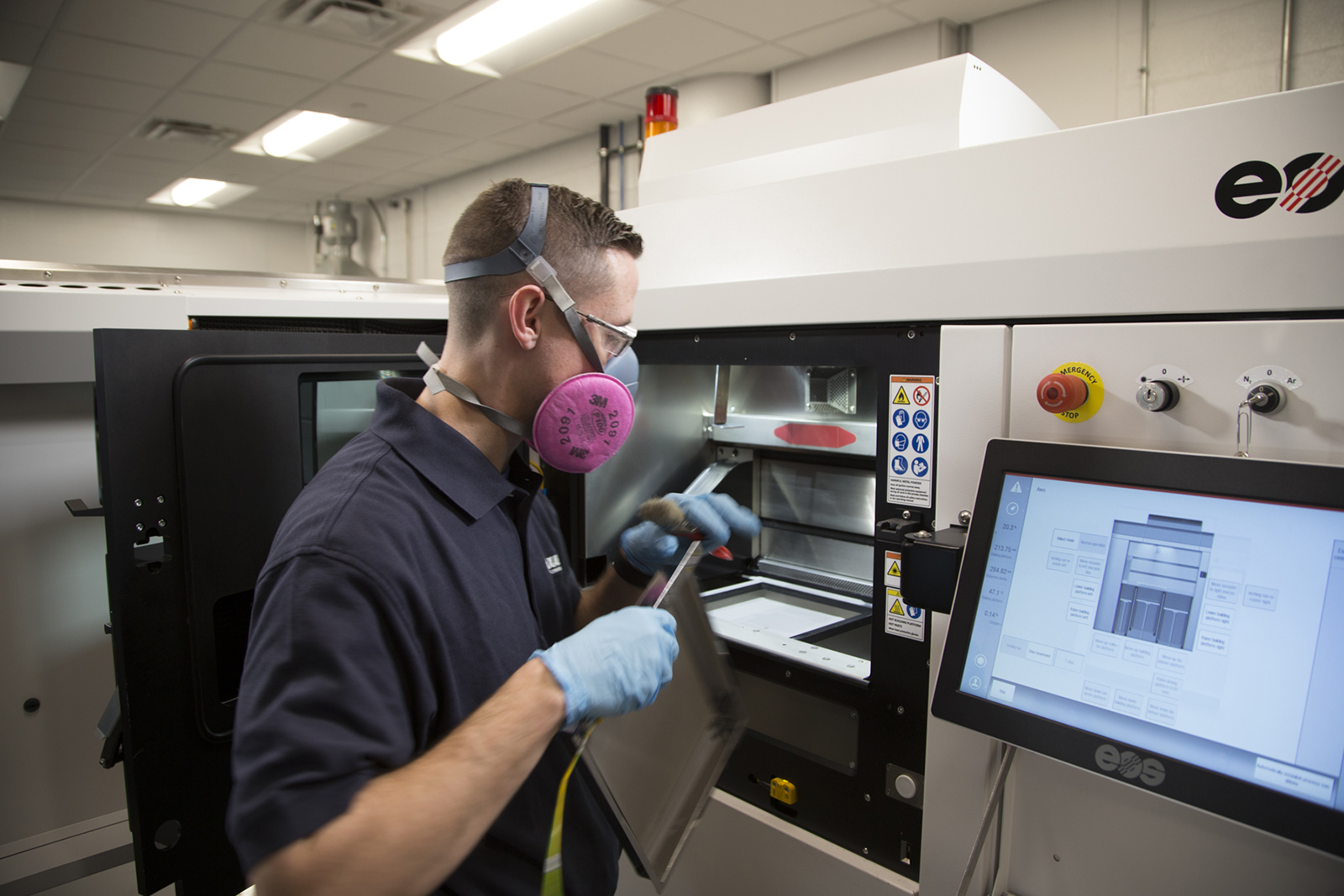
Qualified AM focused on surface contamination control. Ultrasonic cleaning protocols were implemented to mitigate contamination risks, particularly in mixed-material depowdering environments where even minor contamination can disrupt the photolithography process. These protocols were fine-tuned to meet stringent cleanliness standards for semiconductor manufacturing.
A further key focus was the challenge of traceability and validation. In cases where post-processing, such as milling, removed the original serial numbers from parts, Qualified AM implemented digital twin documentation. Each part was linked to a comprehensive digital profile that preserved its manufacturing history, including material batch numbers, process parameters, and post-processing details.
Geometric fidelity was also ensured through archived 3D models, and semi-finished parts were delivered with their original CAD files and metadata, ensuring compliance with ASML’s internal Additive Manufacturing General Specifications Agreement (GSA) and the SPC approach.
Deutsche Bahn: railway industry
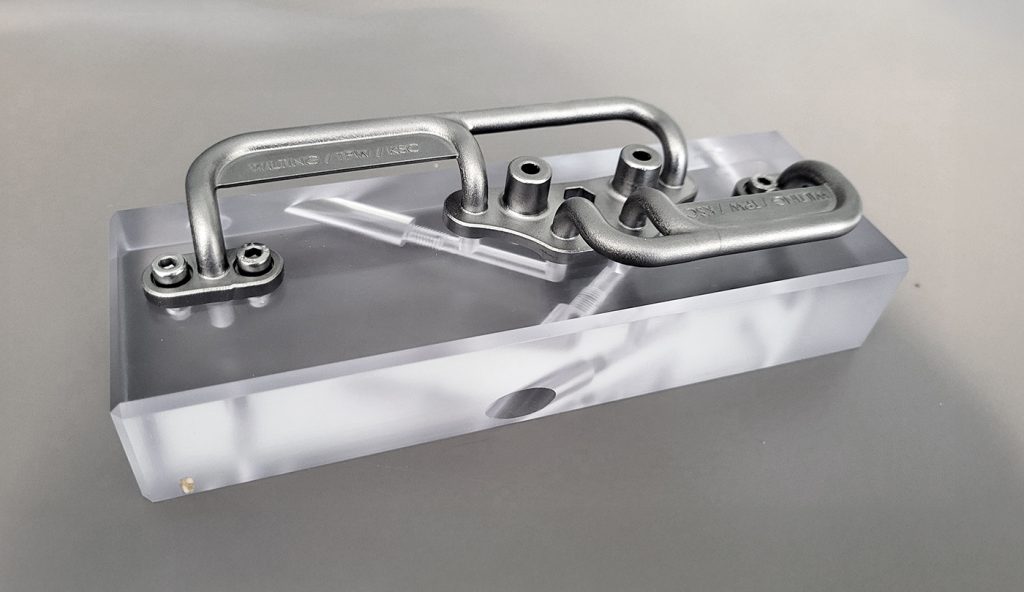
Deutsche Bahn (DB) partnered with Qualified AM to qualify Additive Manufacturing processes for spare parts, using Powder Bed Fusion-Laser Beam (PBF-LB) systems, such as the Formlabs Fuse 1 and materials such as PA12 and TPU 90A. The railway sector requires components that can withstand mechanical stress and variable environmental conditions, so DB worked with Qualified AM to validate the digital production pipeline for AM parts.
Simulation models were validated before physical production to confirm throughput reliability. This digital twin process helped address potential issues with mechanical integrity or dimensional accuracy early on. Design and manufacturing reviews were integrated into the contract workflow, reducing rework and waste. These reviews also encouraged closer collaboration between DB’s design engineers, procurement officers, and quality assurance teams.
Given the complexity of railway components, data integrity was a critical focus. Qualified AM worked with DB to standardise mesh quality, CAD fidelity, and file-sharing protocols, ensuring accuracy throughout production. This standardisation not only reduced inconsistencies but also ensured parts met the mechanical and dimensional specifications required for reliable railway components. Additionally, it improved communication across departments and with external partners, streamlining the production process.
The collaboration helped DB establish a scalable and repeatable qualification model for AM, which can be applied across various depots and maintenance hubs, ensuring consistency and quality in spare parts production.
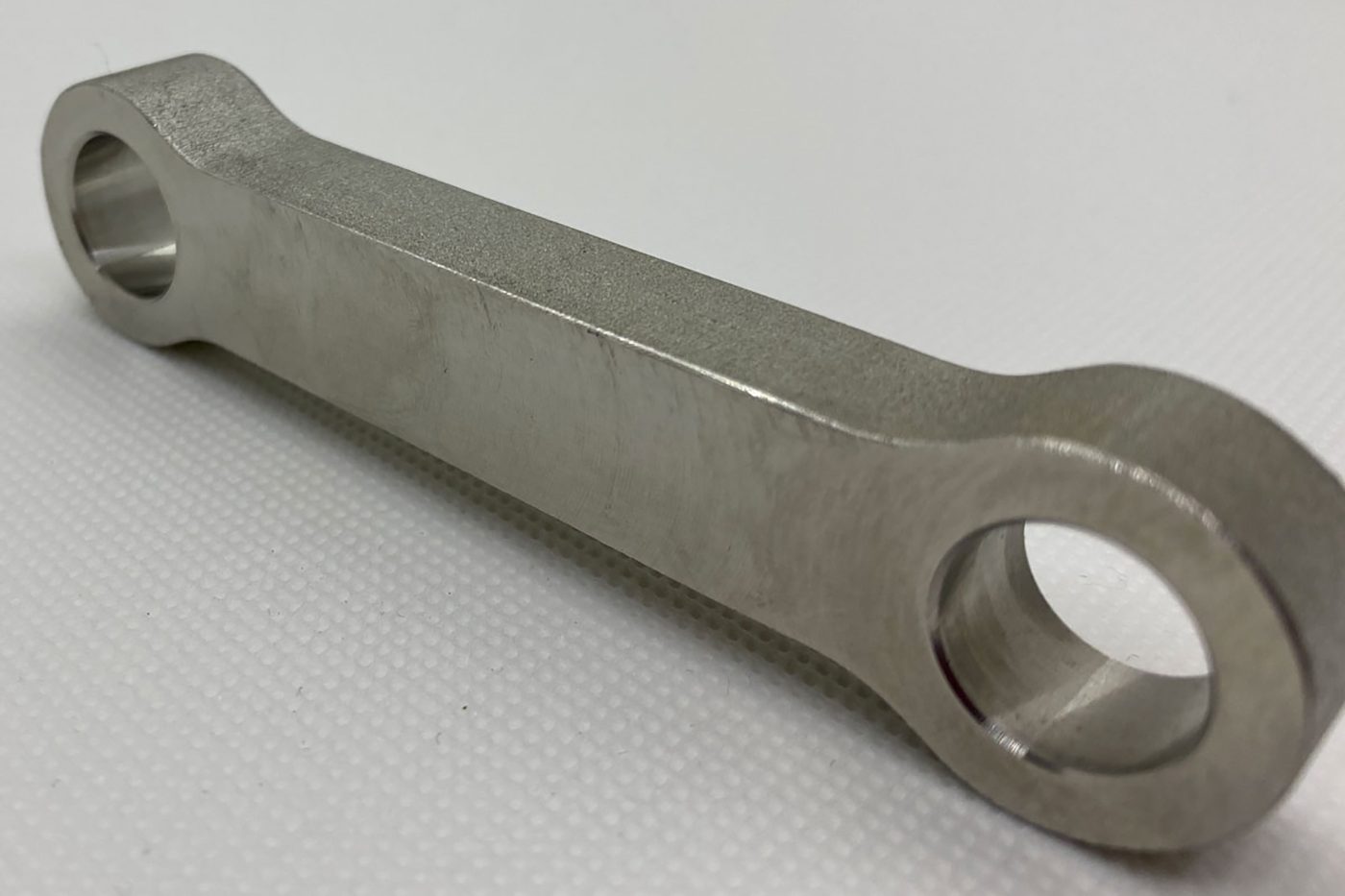
Fieldmade’s mobile AM units pass audit for field deployment
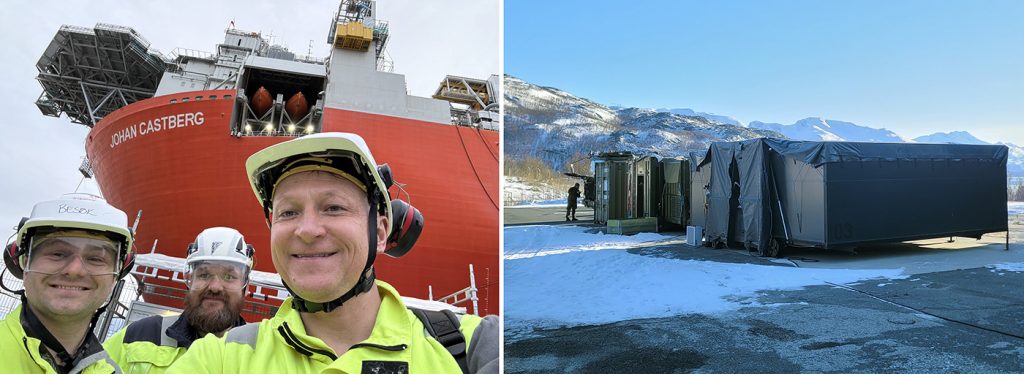
Fieldmade, a Norwegian technology company, has developed mobile micro factories designed to bring AM capabilities to remote and mission-critical environments. Each NOMAD unit is a mobile, climate-controlled facility equipped for metal, polymer, and composite Additive Manufacturing, designed to operate without reliance on fixed infrastructure.
In collaboration with Qualified AM, Fieldmade’s systems underwent a Stage 1 audit based on ISO/ASTM 52920 and 52901, with a focus on spare parts production using a DMG Mori LaserTec 30 SLM machine. The audit scope included risk-based process mapping, machine validation, and documentation of traceability for metal PBF-LB processes. It confirmed that Fieldmade’s deployable AM units meet baseline requirements for regulated production in sectors such as energy and defence.
Fieldmade’s NOMAD units have already seen operational deployment, including at Aker Solutions’ Stord yard alongside the Johan Castberg FPSO. This demonstrates the maturity of the system for field-based, on-demand manufacturing. This case highlights the potential to qualify decentralised AM systems to international standards without compromising on quality, traceability, or compliance.
Conclusion
These case studies demonstrate the flexibility and robustness of Qualified AM’s framework across diverse industries. Risk-based customisation was a key enabler, allowing each organisation to adjust the qualification depth according to part criticality. For example, a prototype for educational use might follow a simplified qualification route, while components for semiconductor or medical use require a more rigorous approach.
Qualified AM’s supply chain model provides a grounded, standards-aligned framework for integrating AM into regulated production. The ASML, Deutsche Bahn, and Fieldmade examples show its cross-sector applicability and support its role in enabling decentralised, compliant, and resilient manufacturing operations.
As AM adoption scales, frameworks like this will be essential to ensure that production keeps pace with innovation while meeting the growing demands of quality assurance, regulatory compliance, and operational scalability.
Author
Gregor Reischle
Founder and CEO
Qualified AM GmbH
Zugspitzstr, 24, Wielenbach, Deutschland 82407, Germany
www.qualifiedam.com
[email protected]
LAST MONTH’S MOST-READ ARTICLES