Steel reinvented: Colnago’s Steelnovo and the search for the perfect modern road bike
For Colnago, one of cycling’s most prestigious brands, the Steelnovo represents a showcase project – a modern interpretation of what the ‘perfect’ road bike might look like. Instead of the titanium more commonly used for additively manufactured frame lugs, the company worked with Additiva Srl and ATLIX to develop complex 316L steel nodes combined with Columbus steel tubing. Metal Additive Manufacturing magazine’s Nick Williams explores how the project demonstrates the potential of AM to modernise traditional materials while preserving the distinctive ride quality associated with steel frames. [First published in Metal AM Vol. 12 No. 1, Spring 2026 | 20 minute read | View on Issuu | Download PDF]
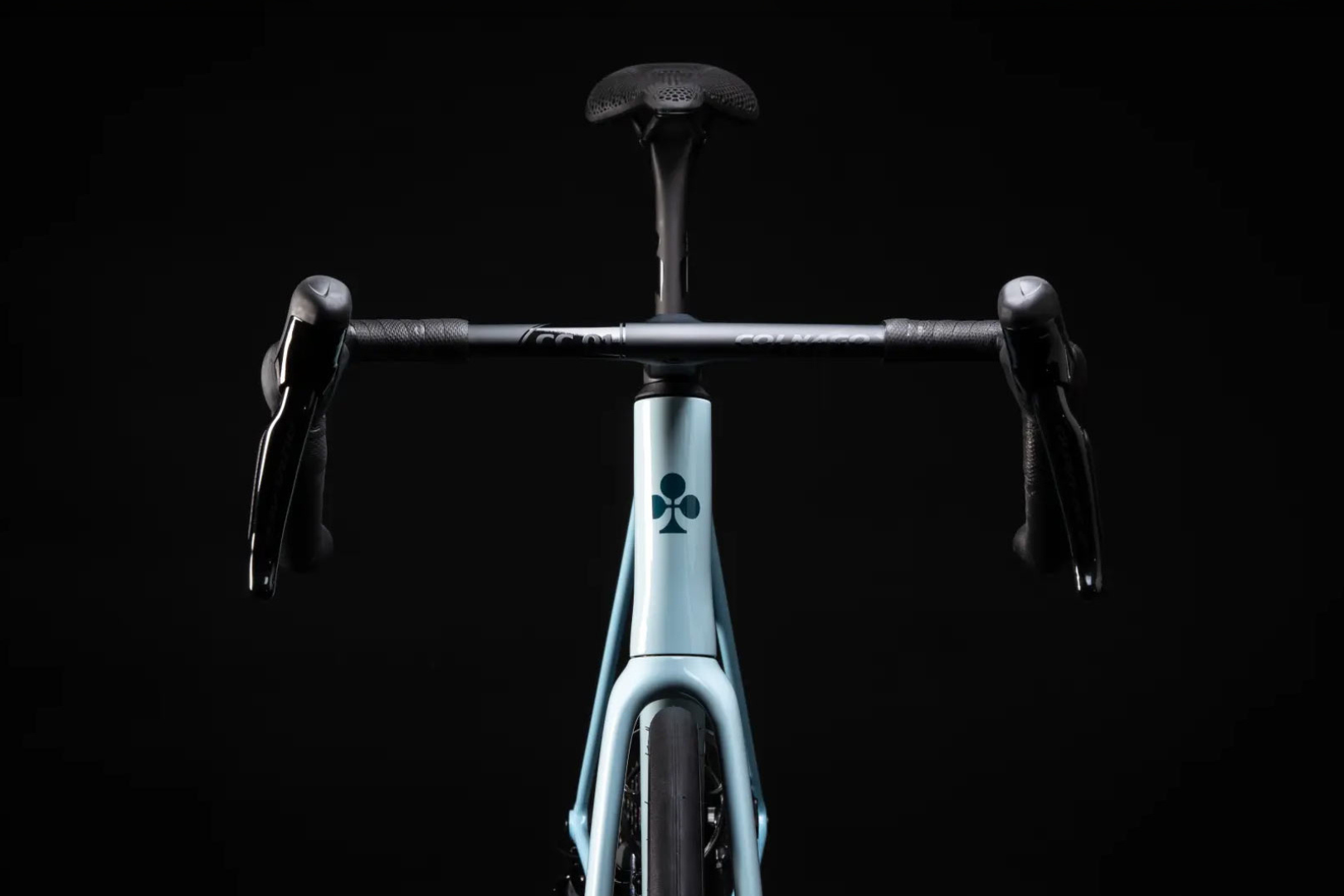
The dominant narrative around materials in metal Additive Manufacturing tends to centre on titanium alloys, aluminium alloys, and nickel-based superalloys. Much of this reflects the influence of early adopter sectors such as aerospace and power generation. Yet steel – despite being one of the most widely used structural materials in engineering – still receives relatively little attention in discussions of new AM applications.
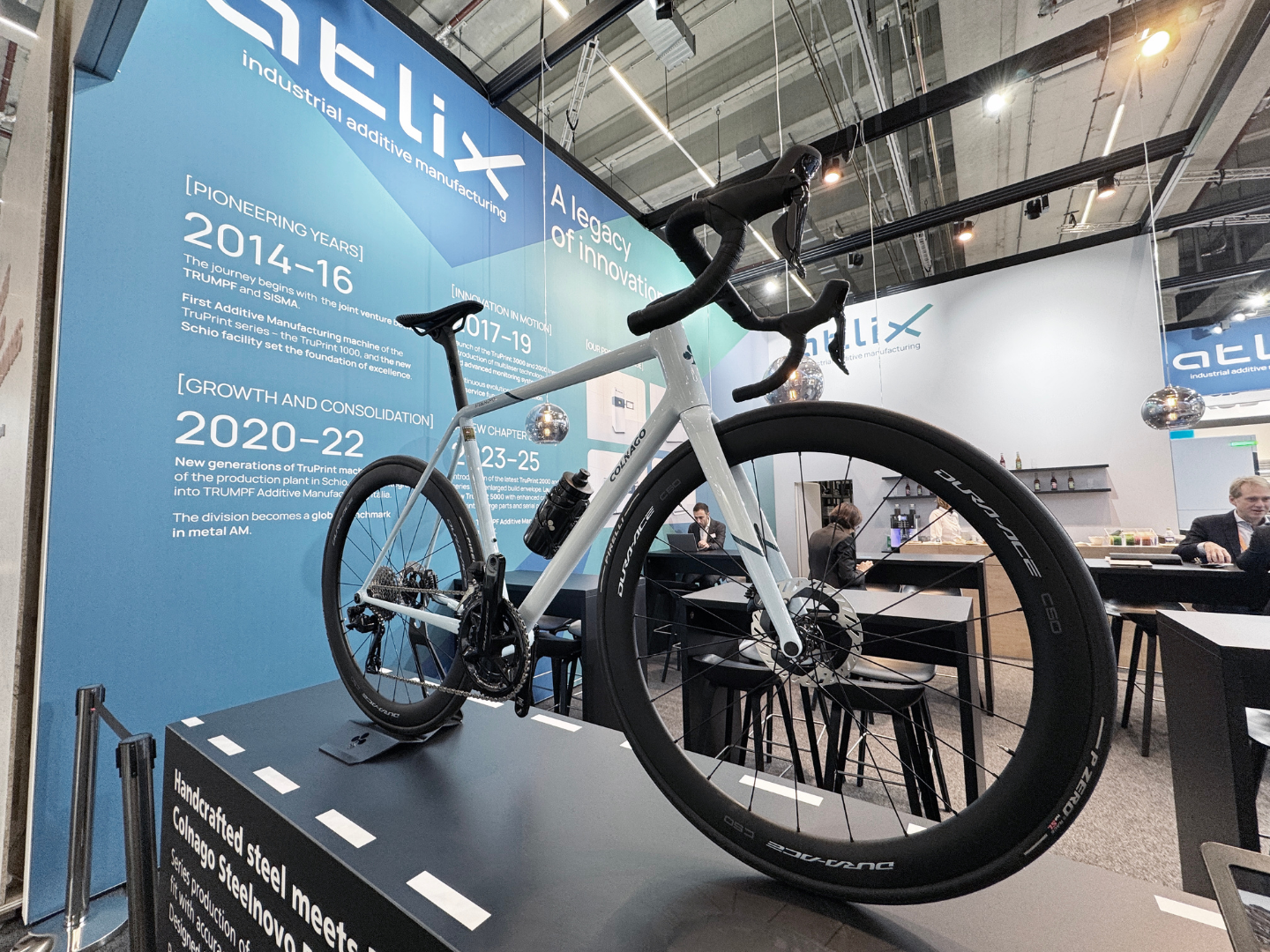
That is why, while exploring the halls of Formnext – the leading international exhibition for Additive Manufacturing and industrial 3D printing – in November 2025, the striking Colnago bike displayed front and centre on the ATLIX booth caught my attention. At first glance, it appeared to follow the now-familiar trend of additively manufactured titanium bike frames. Instead, the frame was made from steel.
The bike, called the Steelnovo, was originally developed as a limited edition of seventy frames to celebrate Colnago’s 70th anniversary, but it has since become a regular production model. The decision to use steel rather than titanium seemed surprising, given titanium’s growing success in the cycling world.
Yet steel’s potential in Additive Manufacturing is already being demonstrated elsewhere. In the Autumn 2025 issue of Metal AM, our feature on Domin highlighted how the company’s selective and carefully considered use of maraging steel enabled the production of high-performance additively manufactured hydraulic components [1]. In Domin’s designs, the material outperformed aluminium in fatigue strength-to-weight, matched titanium closely in final part weight, and provided the stiffness required for thin-walled, pressure-loaded geometries – all while having a significantly lower powder cost.
For those unfamiliar with Colnago, it is a premium Italian bike brand known for blending racing pedigree, craftsmanship, and distinctive design. Founded by Ernesto Colnago in the 1950s, the company built its reputation through decades of success in professional cycling and a long history of technical experimentation, from iconic steel frames to carbon-fibre race bikes. Today, Colnago’s brand identity is centred on design and performance, while remaining connected to cycling tradition.
For a company with such a strong heritage in performance road bikes, its decision to use steel for a contemporary frame produced by Additive Manufacturing warranted closer examination.
Why metal Additive Manufacturing for bike design?
The most common approach to using Additive Manufacturing in bike frame production, as with Domin’s hydraulic servos, is not to ‘print everything’, but to apply the process where geometric complexity and engineering value are greatest. In bike design, this same selective logic applies: use AM where it solves the most difficult structural and integration challenges, rather than attempting to manufacture an entire bike additively.
In practice, this typically means producing nodes – junctions where multiple tube angles, load paths, and component interfaces converge. These nodes are among the most complex and highly loaded parts of the frame, making them strong candidates for AM. To date, they have most commonly been produced using titanium.
Some of the clearest early demonstrations of this concept came from small, specialist startups willing to experiment with unconventional production approaches. One prominent example, previously reported in detail by Metal AM, is Atherton Bikes. Its frame architecture uses titanium AM nodes bonded to carbon fibre tubes using aerospace-grade adhesives, enabling optimisation of complex junctions while allowing digitally tailored geometries [2]. What began as a high-profile engineering proposition evolved into a competition-winning downhill mountain bike and later a commercially viable production model, with the company eventually bringing AM production in-house [3].
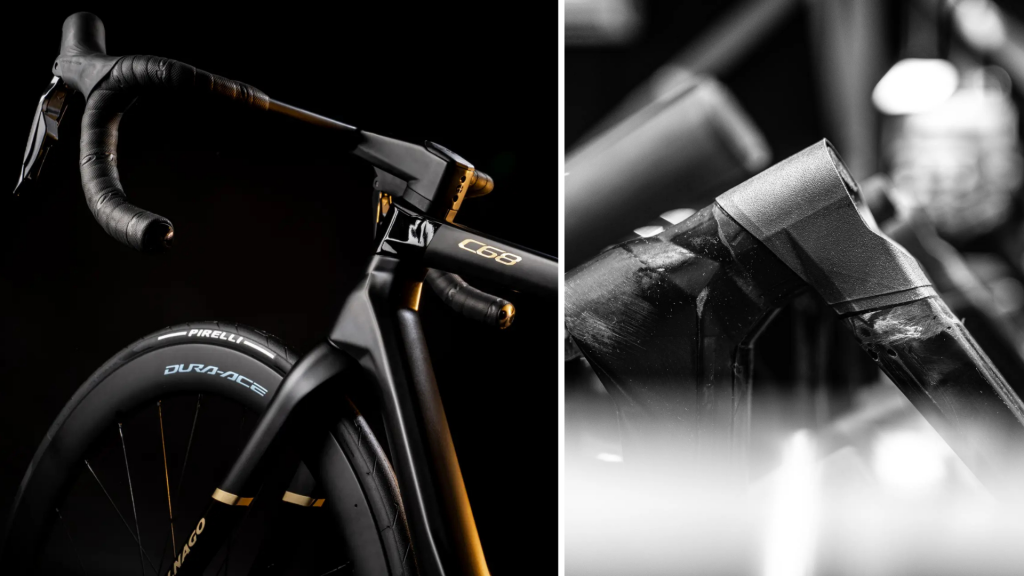
Colnago’s first venture into metal Additive Manufacturing followed a similar approach. In 2022, the company introduced the C68 Road Ti, a modular carbon frame featuring titanium AM nodes at key junctions, including between the head tube and top tube and at the seatpost cluster.
The case for steel & AM
To understand the choice of steel for a showcase bike celebrating Colnago’s 70th anniversary, it is important to recognise the material’s historic role in the company’s identity. Colnago built its reputation on steel racing bikes and became closely associated with Columbus tubing, produced by Columbus Tubi, the Italian company famed for high-performance steel tubes for bike frames. A succession of high-performance steel models defined this era, including frames such as the Super and the Master.
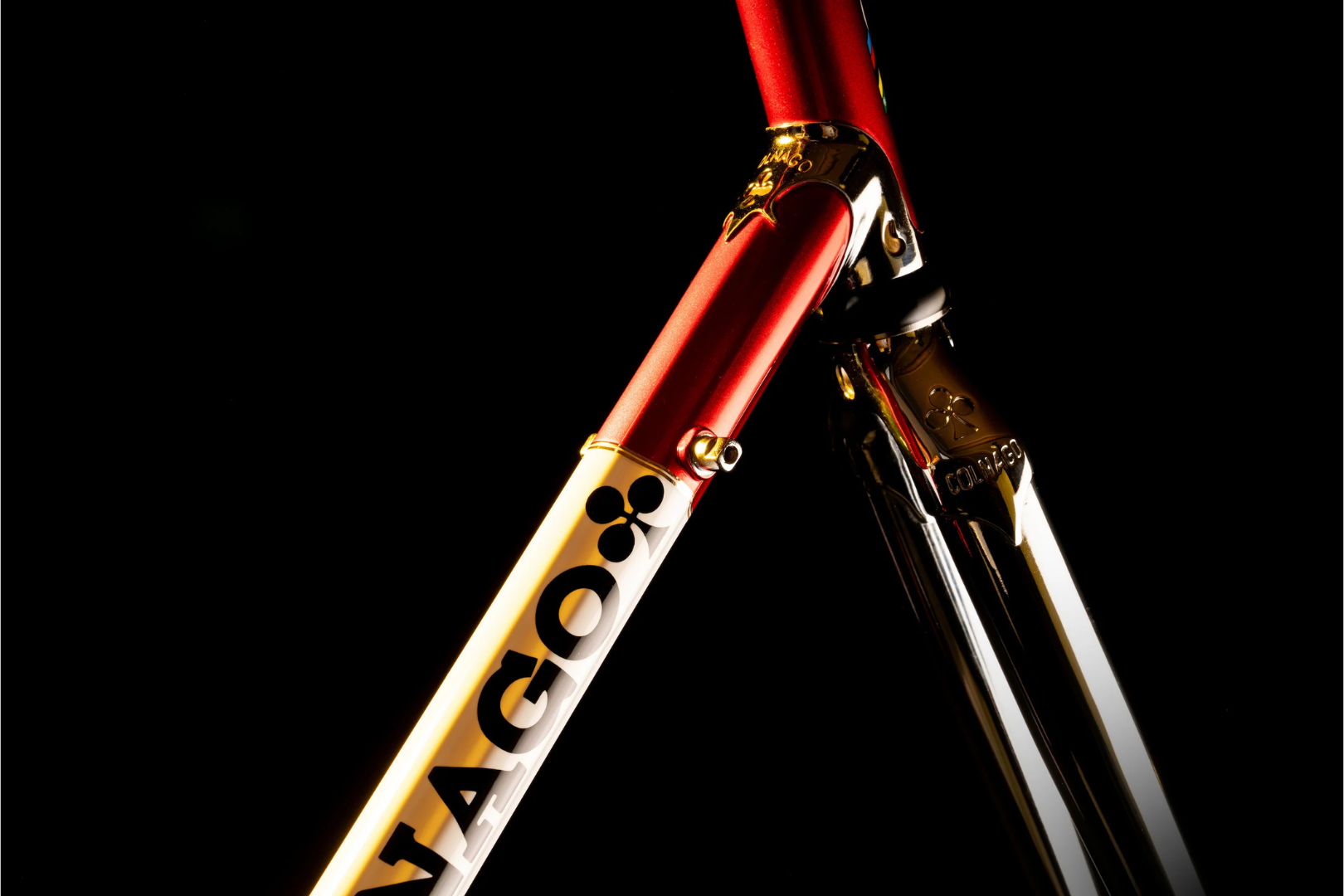
Steel became popular for bike tubing because it combines high strength, fatigue resistance, and excellent workability. It can be drawn into thin-walled, butted tubes that are lightweight yet durable, while its stiffness provides predictable handling and a smooth ride. Steel is also easy to form, braze, and repair, making it especially well-suited to precision framebuilding. In combination with Additive Manufacturing, these characteristics are opening new possibilities for steel frame engineering.
In comments to Metal AM, Marco Andreetta, Industry Manager – General Industry at ATLIX, the company whose Laser Beam Powder Bed Fusion (PBF-LB) technology is used to manufacture the steel nodes, explained, “Steel remains highly valued for its robustness, comfort, and distinctive ride quality. However, meeting modern riding standards requires features such as oversized components, generous tyre clearance, integrated cable routing, and carefully tuned stiffness – elements that traditionally push steel frames towards weight and design compromises.”
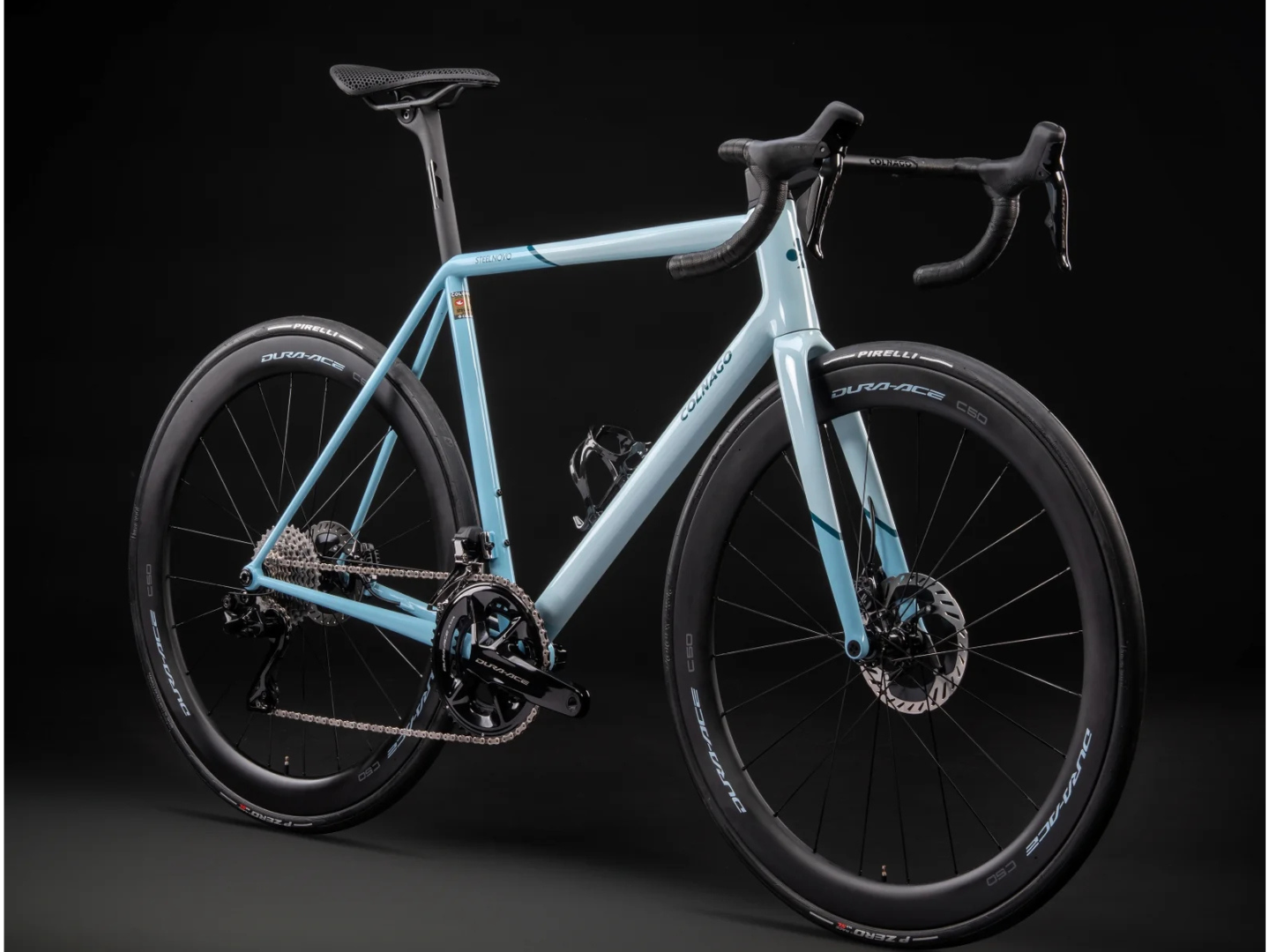
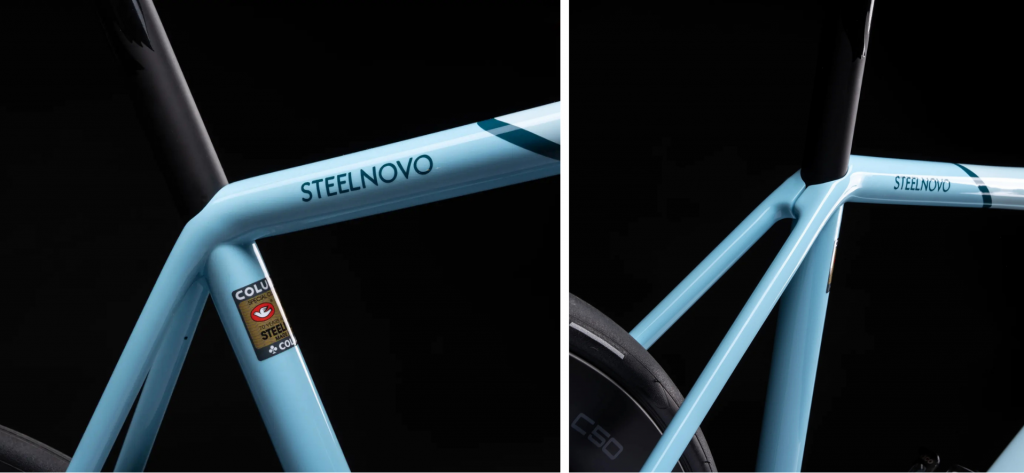
In the Steelnovo, this philosophy is expressed through additively manufactured frame nodes produced in 316L stainless steel and brazed or welded to custom alloy Columbus steel tubes.
Andreetta stated, “Steel is often described as an ‘alive’ material in terms of its feel when used for bike frames, but it presents unique challenges in frame development. Tubes and components rarely behave exactly as predicted by modelling, making integration and stiffness tuning particularly complex. Additive Manufacturing, thanks to the ability to rapidly prototype components, fundamentally changed the development process. Complex frame parts that would traditionally require long lead times and high tooling costs can now be produced, tested, and refined quickly.”

Davide Fumagalli, head of R&D at Colnago, has spent more than fifteen years developing the company’s latest bikes. In a film on the Steelnovo project by Global Cycling Network (GCN), he explained how, in a sector dominated by carbon fibre frames, steel had come full circle for Colnago. “A long part of the Colnago history has been made on steel bikes. From 1954 to the beginning of the 2000s, we still had steel frames in our catalogue. We wanted to explore the metal side of things again, but bring it in a more modern way and try to use new technologies” [4].
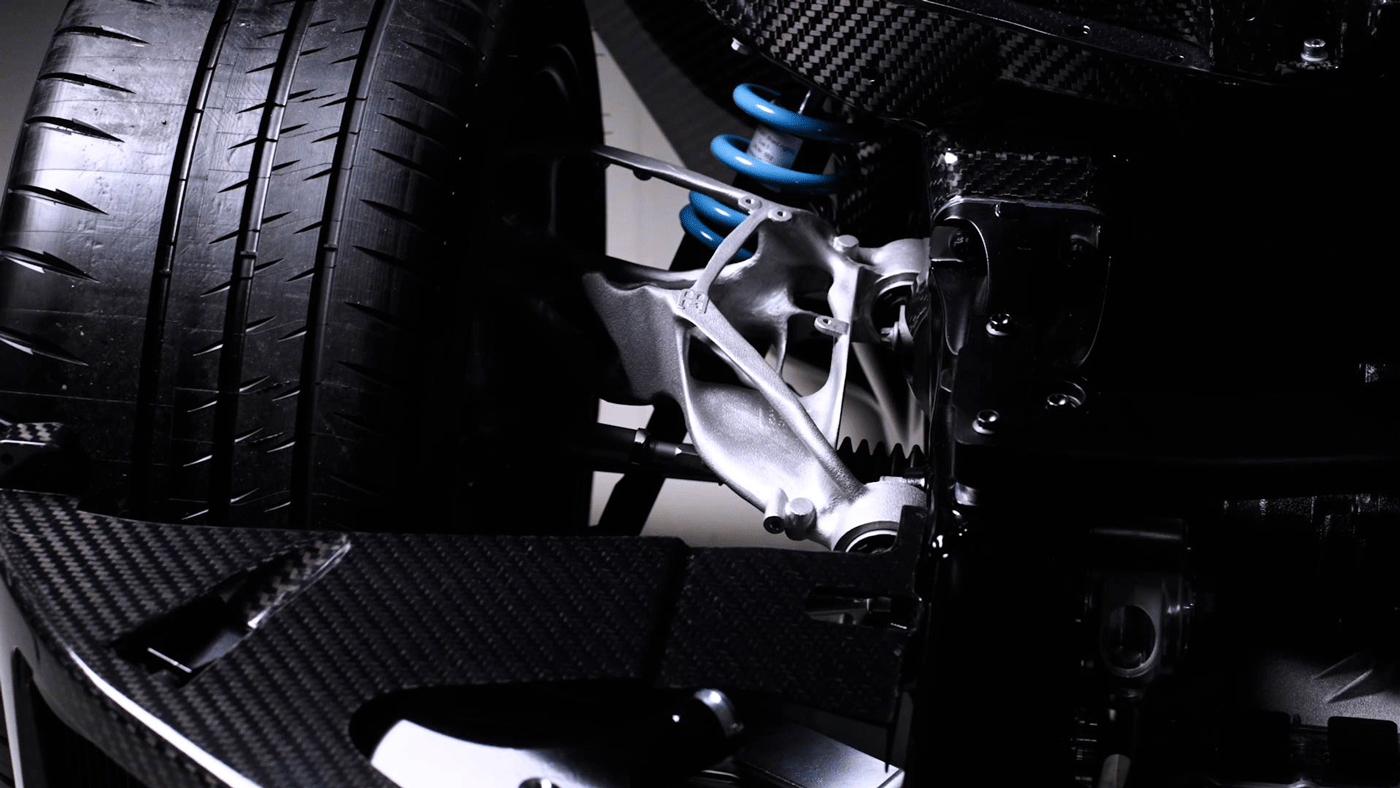
For Fumagalli, steel brings a unique set of design constraints, but Additive Manufacturing makes them manageable. “Steel is an amazing material to work with. It gives you different challenges. For example, it’s almost impossible to get the shape you want out of a mould.” He added, “Without Additive Manufacturing, it wouldn’t have been possible to make such a shape with the thickness we needed, and without internal ribs and materials that we don’t really use. Simply put, a piece from 3D printing technology can weigh about 90 g. If you CNC-machined it out of a block, it can easily be 50% more, because you cannot remove all the material you don’t need. So, it’s about the strength, but also the weight” [5].
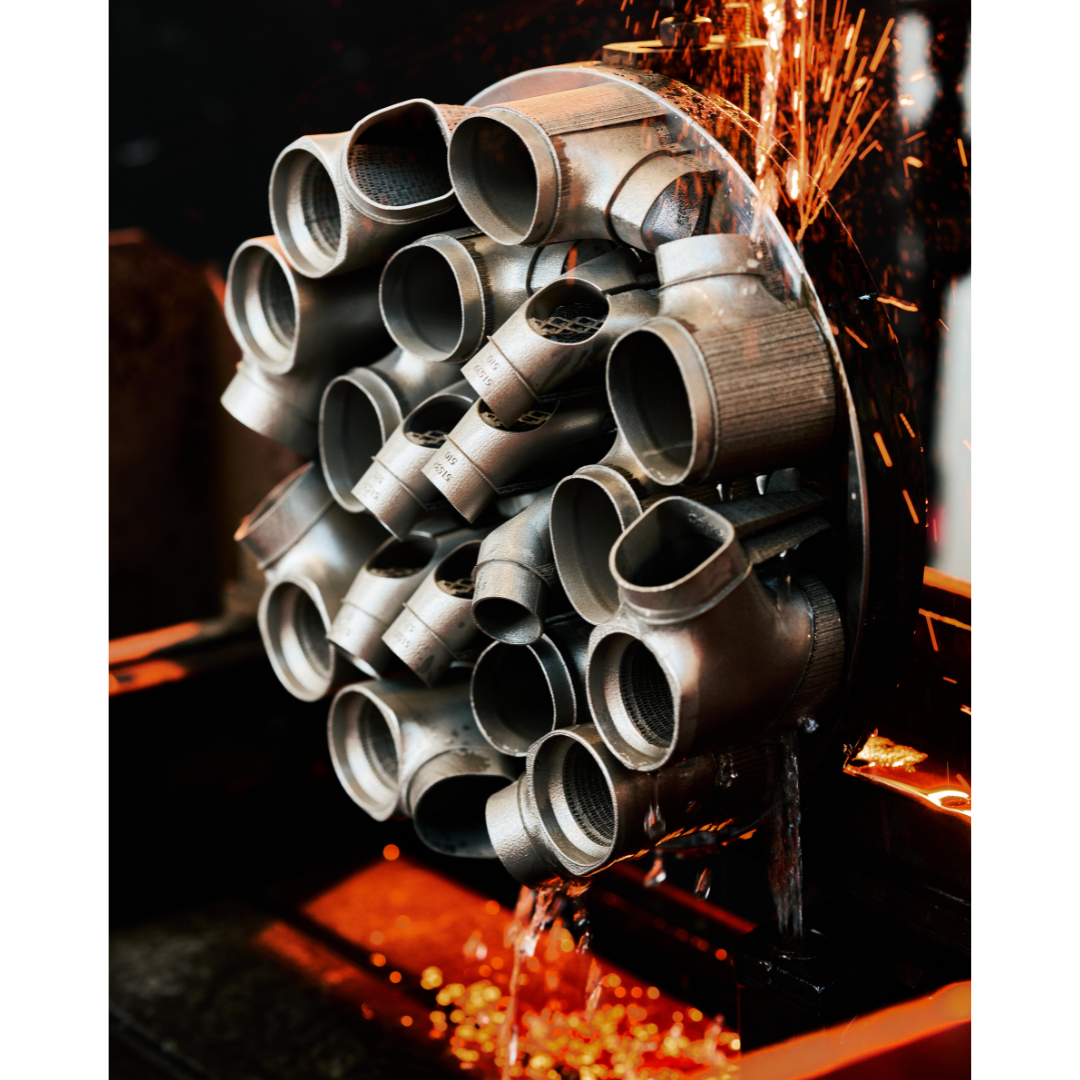
Metal Additive Manufacturing allows these requirements to coexist within a modern steel architecture. Andreetta told Metal AM, “By precisely tailoring geometry and reinforcement, it becomes possible to achieve responsive acceleration, precise handling, and effective vibration absorption without undermining the clean lines and ride characteristics associated with steel.”
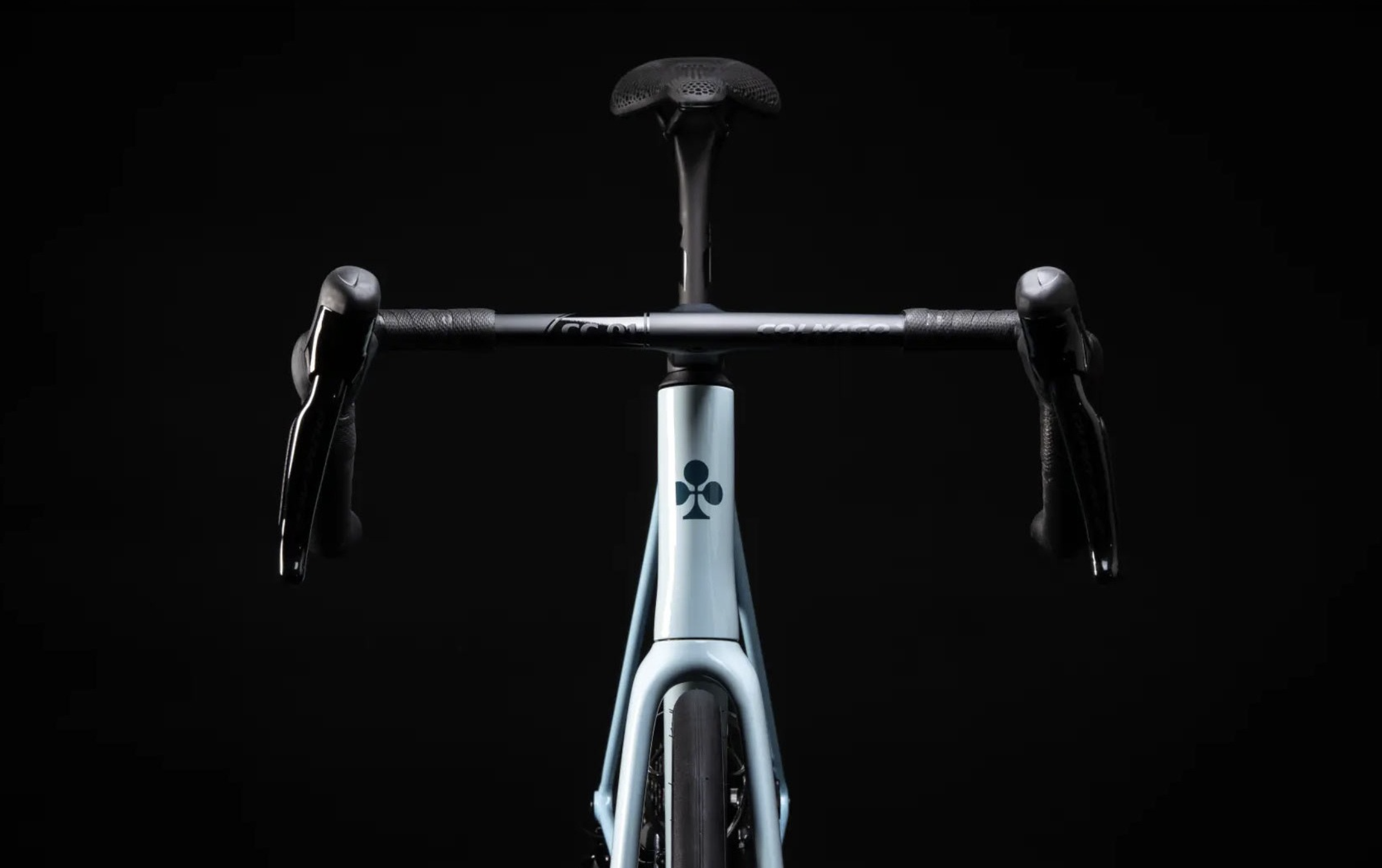
In Colnago’s product materials, the Steelnovo is presented in similar terms: additively manufactured lugs for extremely accurate fit, hidden welds for cleaner junctions, full integration, and Columbus tubes explicitly linked back to historic models.
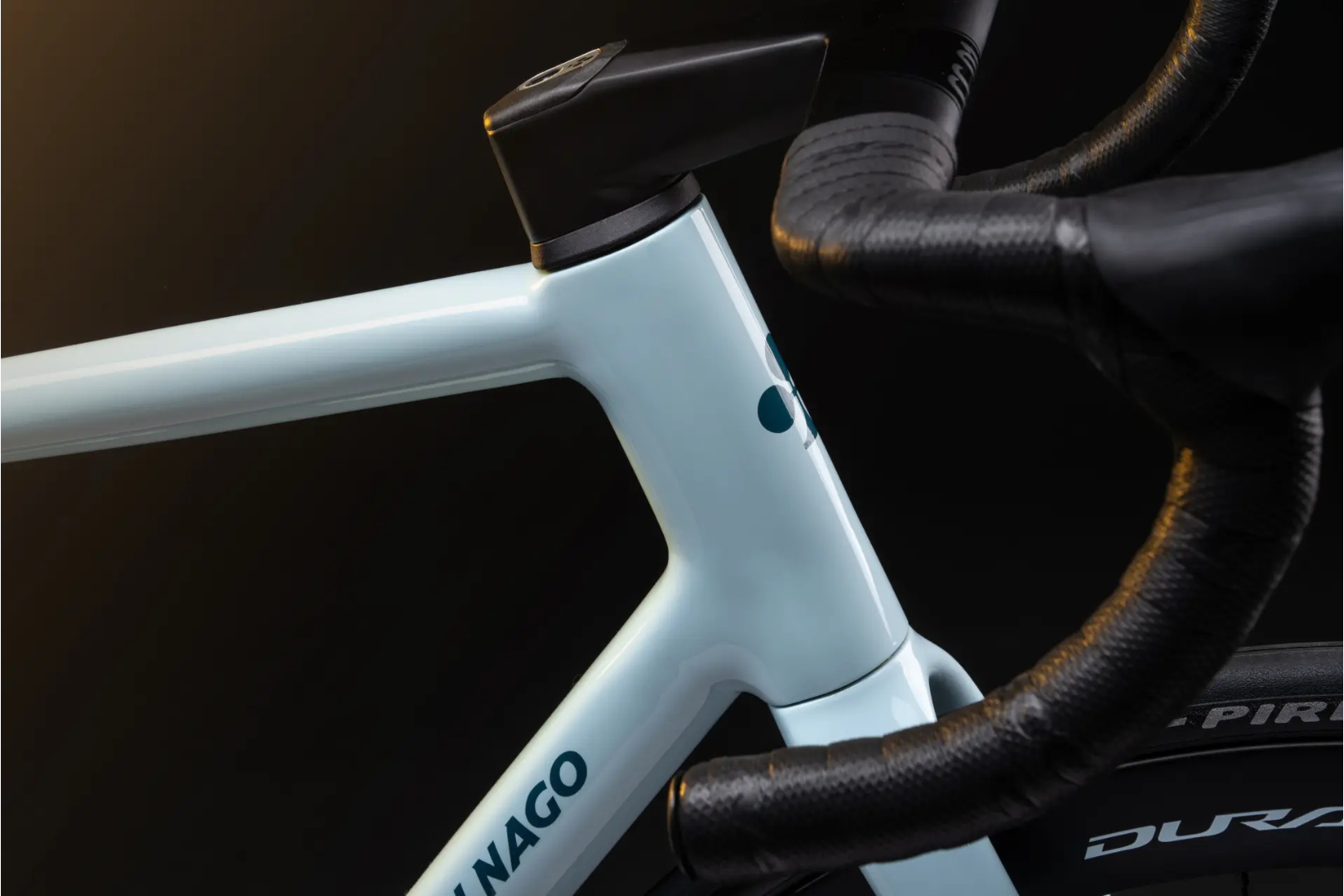
In practical engineering terms, the advantage of Additive Manufacturing lies in the removal of conventional tooling constraints. The result is a frame junction that can combine smooth external surfaces, thin sections where loads are low, and localised reinforcement aligned with real load paths. As Filippo Galli, R&D Project Leader at Colnago, stressed, “The result is not only functional efficiency, but also visual integration – an essential aspect of modern high-end bikes.” This is particularly significant in a steel frame, where conventional lugged or welded construction can otherwise impose visible compromises in shape and packaging.
Beyond frame construction, Additive Manufacturing is increasingly relevant for highly optimised accessories, clamps and functional interfaces, as well as integrated mounts and supports. Equally important is AM’s role in rapid prototyping. Andreetta stated, “Even relatively simple components benefit from the speed and flexibility of Additive Manufacturing processes, allowing Colnago’s engineering team to iterate quickly, validate designs early, and reduce overall development risk.”
Laser Beam Powder Bed Fusion – the process behind the parts
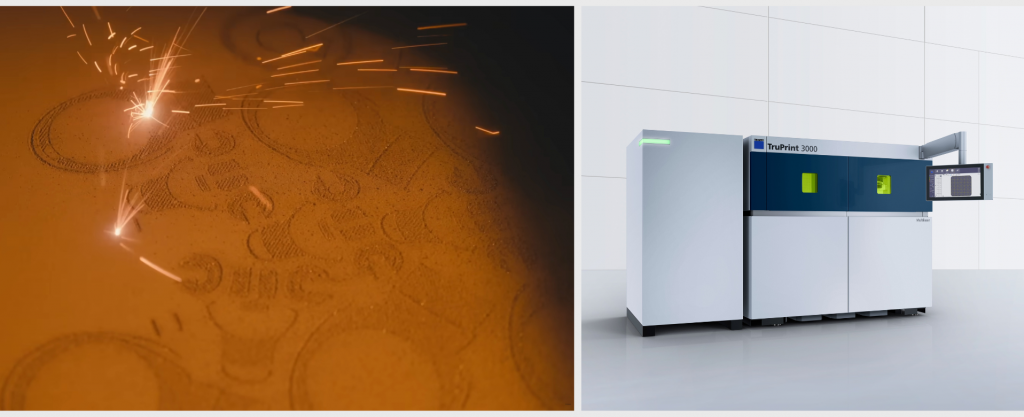
Numerous metal AM processes are used industrially across applications ranging from rocket engines to smartwatches, aircraft structures to microcomponents. The most widely used process in the bike industry, and one of the most commercially mature, is Laser Beam Powder Bed Fusion (PBF-LB). Thin layers of metal powder are spread across a build platform and selectively melted by a laser according to a digital design file.
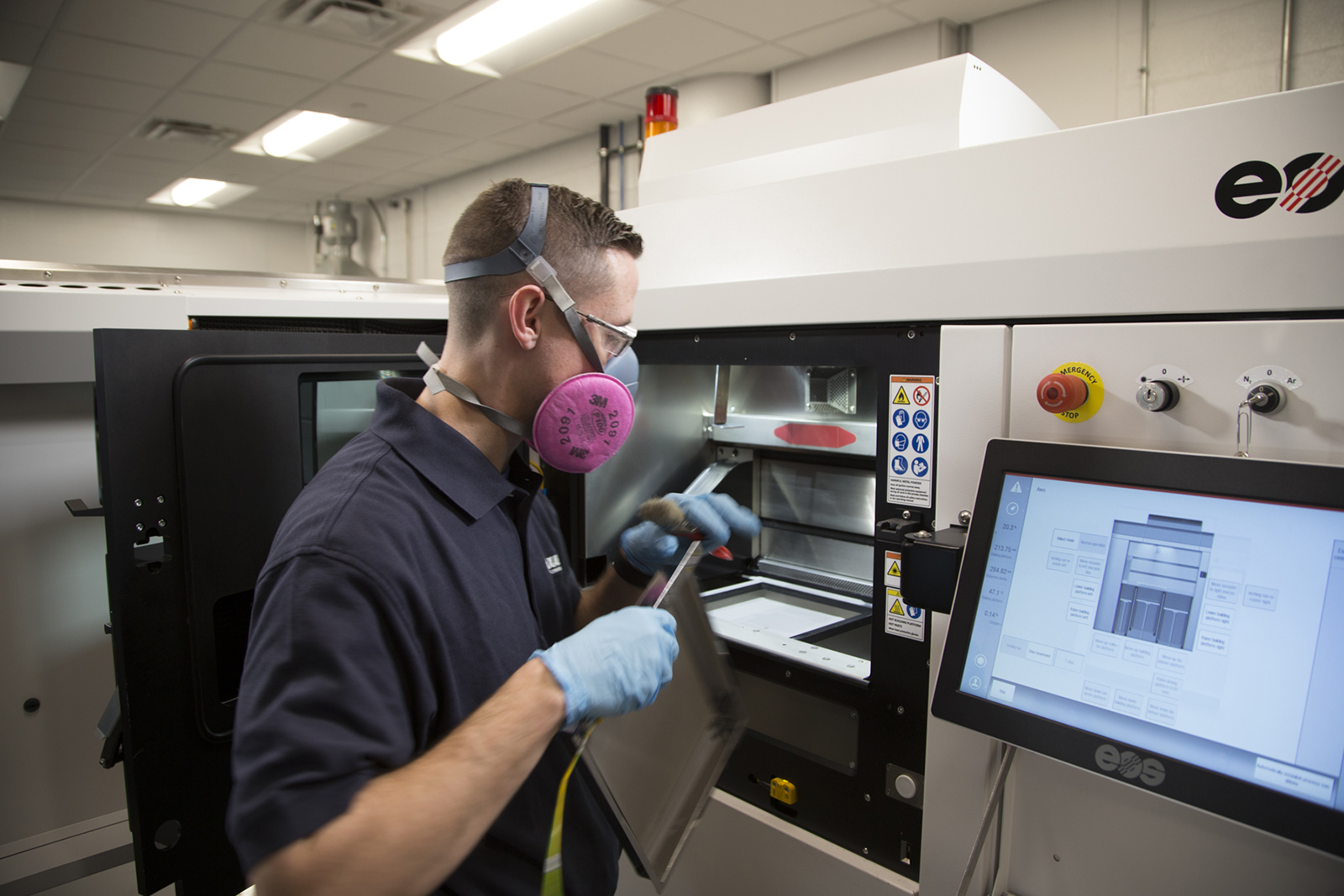
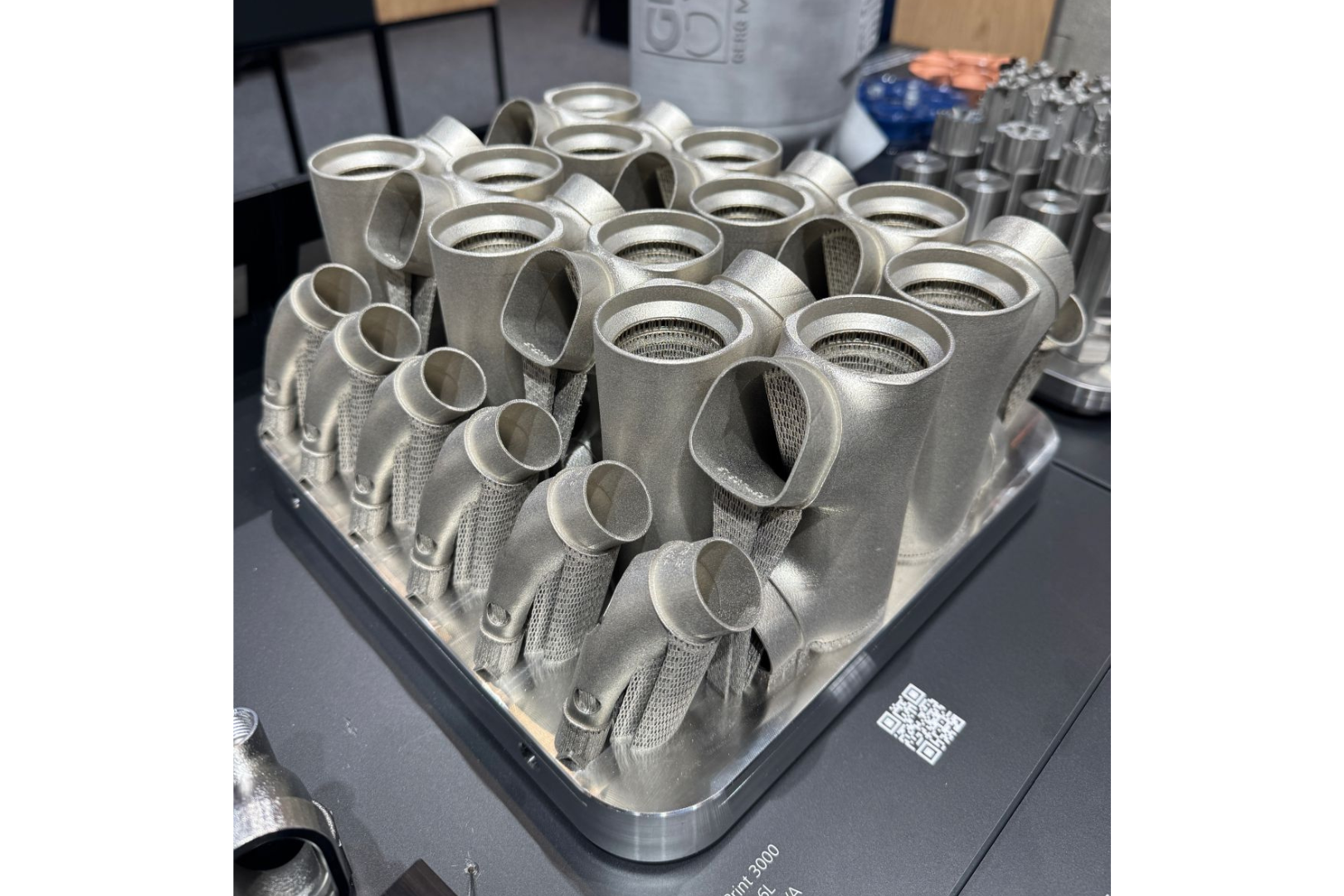
Built layer by layer, the process enables the creation of geometries that would be difficult or impossible to realise using conventional machining or casting. In the case of the Steelnovo, the nodes are manufactured by Additiva Srl, Modena, Italy, on an ATLIX TruPrint 3000 PBF-LB machine. ATLIX emerged in 2025 as a new company following a carve-out from TRUMPF Additive Manufacturing.
In partnership with ATLIX and Additiva
Colnago’s use of metal Additive Manufacturing involved close collaboration with Additiva and ATLIX, who supported the company from the early design phases through process optimisation and production planning. This included collaboration not only on designing the parts themselves, but also on ensuring their manufacturability and optimising the manufacturing route around them so that AM could move from concept validation toward industrial repeatability.
“This collaborative approach enabled shape optimisation to reduce material usage and the co-development of dedicated process parameters for the ATLIX proprietary build processor. Together, these helped to minimise support structures and manual post-processing, reduce costs and lead times, and deliver performance-driven design without quality compromises,” said Andreetta
Fumagalli also emphasised the performance and design value of metal AM. “Performance improvements, reduced weight, and advanced integration are immediately tangible. At the same time, Additive Manufacturing is widely perceived as a premium, forward-looking technology – particularly when its potential is fully exploited at the design stage.”
“Components designed specifically for AM often exhibit either a futuristic character or an exceptionally clean integration within the overall system. In both cases, the technology enables designers to avoid the compromises that traditionally result in visually disjointed or overbuilt components. For Colnago customers, the value of metal AM lies precisely in this balance: higher performance without sacrificing design harmony or brand identity,” stated Fumagalli.
Made in Italy: how Additive Manufacturing is reviving domestic production
For much of the past four decades, bike frame manufacturing has been defined by globalised production. As the industry expanded in the late twentieth century, large-scale manufacturing gradually concentrated in Taiwan and later mainland China, and specialised supply chains and production capacity supported the growth of global brands.
However, the premium end of the market has always been closely tied to regions with strong design and engineering traditions. Italy, in particular, remains synonymous with high-performance cycling and distinctive industrial design. As Additive Manufacturing matures, many are seeing an opportunity to rethink how and where high-end frames are produced.
Andreetta explained, “The possibility that metal AM could strengthen high-end Made in Italy bike production is a recurring theme in industry discussions. Italian manufacturing remains globally associated with excellence in design and performance, but maintaining leadership requires continuous innovation.” He added, “Additive Manufacturing contributes by reducing dependence on complex tooling, enabling localised and flexible production, supporting faster design-to-production cycles.”
“However, AM is not a shortcut. International competition is already technologically advanced, and sustained leadership depends on ongoing research, process optimisation, and engineering expertise. Within this context, metal AM is a strategic enabler – one that complements, rather than replaces, established manufacturing know-how.”

Conclusion
Modern premium bikes are no longer defined solely by raw performance metrics. Integration, packaging, and system-level design now play an equally important role. Frames and components must accommodate larger bearings, a trend toward wider tyres for ride quality and comfort, complex internal cable routing, and aerodynamic profiles, often within increasingly compact geometries. These demands are particularly challenging at frame junctions, where multiple tubes, interfaces, and load paths converge.
Metal Additive Manufacturing is enabling engineers to address these challenges in ways that conventional manufacturing cannot. By allowing complex junctions, controlled wall thickness, and precisely placed reinforcement, the technology supports new approaches to integration, structural optimisation, and design freedom. For Colnago, metal AM is not simply a prototyping tool but a means of enabling precision engineering, design integration, and performance optimisation in both steel and titanium frames.
“Metal AM is not redefining bike design by replacing tradition, but by expanding the engineer’s toolbox. At Colnago, AM supports a design philosophy focused on integration, performance, and long-term product quality,” stated Fumagalli. “As materials, processes, and digital design methods continue to evolve, metal AM will play an increasingly influential role in shaping premium bikes – quietly enabling solutions that were previously unattainable, and doing so exactly where they make the greatest difference.”
In this context, the Steelnovo represents more than a commemorative project. It demonstrates how heritage materials such as steel can be reinterpreted through modern manufacturing technologies, combining traditional ride characteristics with contemporary engineering and modern frame integration.
Summing up the Steelnovo, Colnago’s Fumagalli stated, “This bike is a pure modern frame, starting from the geometry, the technology, but also the tube shapes and the ride quality of this bike. This is not a historical bike. This is a modern and future-proof bike” [5].
Further information
Colnago
www.colnago.com
ATLIX
www.atlix.com
Additiva Srl
www.additivalab.com
References
[1] Martin McMahon, ‘Doing more with less: Domin’s evidence-based path to Additive Manufacturing success using maraging steel’, Metal AM, Vol. 11 No. 3, p. 143
[2] Robin Weston, ‘Atherton Bikes: The journey from world title success to mastering Additive Manufacturing for performance bike production’, Metal AM, Vol. 6 No. 3, p. 121
[3] Robin Weston, ‘Innovation to commercialisation: Atherton Bikes and the journey of an SME bringing AM production in-house’, Metal AM, Vol. 8 No. 1, p. 167
[4] Global Cycling Network, ‘This New Colnago Will Blow Your Mind’, YouTube, available at: https://www.youtube.com/watch?v=OKFledinDUQ
[5] ColnagoWorld, ‘Colnago Steelnovo | Steel reinvented | A modern steel bike featuring 3D printing technology’, YouTube, available at: https://www.youtube.com/watch?v=bWPS4VT9wq8
LAST MONTH’S MOST-READ ARTICLES