The future of large metal parts: WAAMathon #2 showcases developments in Wire Arc Directed Energy Deposition
Wire Arc Directed Energy Deposition (DED-ARC/W), also known as Wire Arc Additive Manufacturing (WAAM), is gaining traction as a high-deposition-rate solution for large-scale metal parts. At WAAMathon #2 in Berlin, leading experts from industry and research explored the technology’s rapid progress – from machine design and process automation to real-world applications. As Dr Joerg Lantzsch reports, the event highlighted DED-ARC/W’s growing relevance across a wide range of sectors, with use cases spanning from turbine blades to underwater habitats. [First published in Metal AM Vol. 11 No. 2, Summer 2025 | 15 minute read | View on Issuu | Download PDF]

WAAMathon #2, organised by Berlin.Industrial.Group. and held in Berlin, Germany, on 21 May 2025, brought together around 130 industry professionals to explore the latest developments in Wire Arc Directed Energy Deposition (DED-ARC/W). Over sixteen hours of content, twenty-eight speakers presented across two parallel stages, covering a wide spectrum of applications, supplier-led innovations, and academic research.
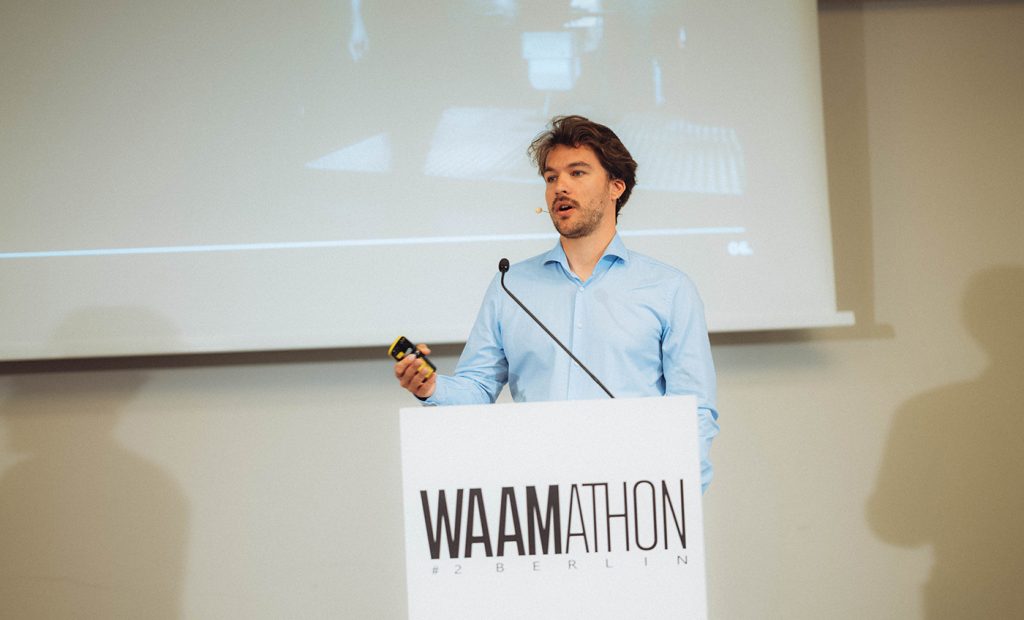
Opening the conference, Carl Fruth, CEO and founder of FIT AG, set the tone with a clear message: “When it comes to Additive Manufacturing, the motto should be ‘faster, better, cheaper.’” He highlighted digitalisation, automation, and artificial intelligence as the key technologies driving AM forward – already enabling the competitive production of mechanical components in volumes below 1,000.
Founded by Fruth in 1995, FIT AG now employs more than 210 people and operates over fifteen different Additive Manufacturing technologies. Drawing on this breadth of experience, Fruth provided strategic guidance for companies considering machine investments. Among his key recommendations was the importance of risk diversification: maintaining a broad technology portfolio, he argued, can create long-term competitive advantages.
He also emphasised that early investment in emerging technologies can serve as a powerful branding tool. Success at this stage, he suggested, can be supported by innovation partnerships with leading research institutions and by tapping into available funding opportunities.
Despite these insights, Fruth stressed that all strategic decisions must still carefully balance risks and benefits.
Alternative manufacturing solutions: multi-axis systems or articulated arm robots
One of the conference’s central topics was machine design. While system configurations vary, all DED-ARC/W system suppliers operate on a common foundation: arc welding and wire feedstock are used to construct parts, layer by layer.
Compared to other AM processes that use powder feedstock, this manufacturing technology offers several advantages: there is no need for complex powder handling, and most standard materials are available in wire form. However, the most significant advantage lies in the very high deposition rate. This makes it possible to additively manufacture large and heavy components at high speed. Since many standard alloys are available as welding wire at a relatively low cost, the process can also be significantly more cost-efficient than powder-based Additive Manufacturing. The DED-ARC/W process typically produces a near-net-shape blank, which can then be finished through surface machining or other hot and cold working processes, depending on application requirements.
In terms of machine design, there are two distinct approaches: software-controlled robotic arms, and conventional three- or five-axis machine setups. Articulated robotic arms use software-controlled welding heads to deposit weld beads along a planned path. Companies like MX3D showcased machines based on this approach.
In his presentation, MX3D’s Thomas van Glabeke showed the company’s turnkey solutions. He focused on his company’s software and automation solution Metal XL, a dedicated DED-ARC/W-specific CAM software with a material library, optimised toolpath planning, real-time process monitoring, and visualisation.
The second approach, conventional three- or five-axis machine setups, is similar to those used in many Computer Numerical Control (CNC) machine tools. GEFERTEC, a German machine builder focused on DED-ARC/W technology, offers mature models in its arc series, which run on Siemens’ Sinumerik control platform. The largest model in the series can produce components weighing up to eight tonnes in a build volume of 2 x 2 x 2 m.
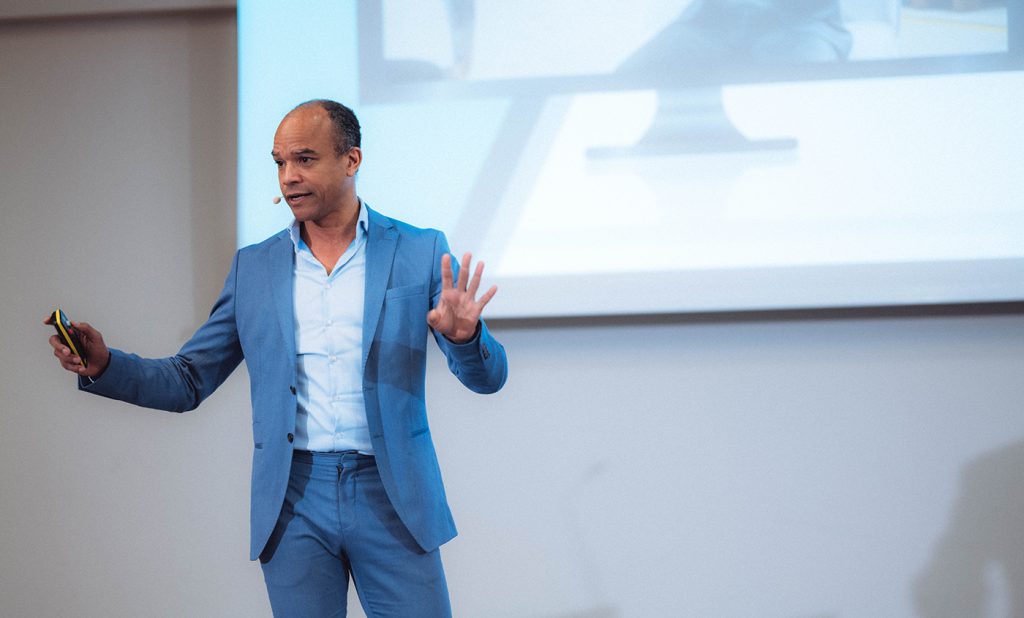
A hybrid approach to the DED-ARC/W process was presented by Siemens in cooperation with VLM Robotics. These hybrid machines combine AM and subtractive finishing in a single cell. The foundation is CNC robotics, offering high precision for both additive and milling processes. Autonomous mobile robots are also deployed, enabling the machining of very large components. All manufacturing steps are again based on the Sinumerik platform.
All approaches offer shared advantages over conventional subtractive manufacturing methods. For example, depending on the component, material efficiency can be significantly higher than with chip-removal processes. This is particularly important when working with costly materials such as titanium.
As Sebastian Recke, Senior Key Account Manager at GEFERTEC, explained at the conference, conventional machining processes can result in up to 80% material waste, whereas Additive Manufacturing with surface finishing cuts this to about 8%.
Additive Manufacturing and European defence: a critical opportunity as the US and China accelerate ahead

Process technology, components, and machine design
Regardless of machine approach, the most significant advancements in DED-ARC/W currently lie in process control and automation technology. Several presentations at the event focused on further developing the process to enable stable operations.
Within this context, Dr Amin S Azar of 3D-Components AS demonstrated how AI-powered process control tools can enhance stability and performance. With so many factors affecting the process – from machine architecture to materials and operator qualification – AI offers an effective way to stabilise and optimise control. The goal is to define the appropriate process parameters automatically and quickly.
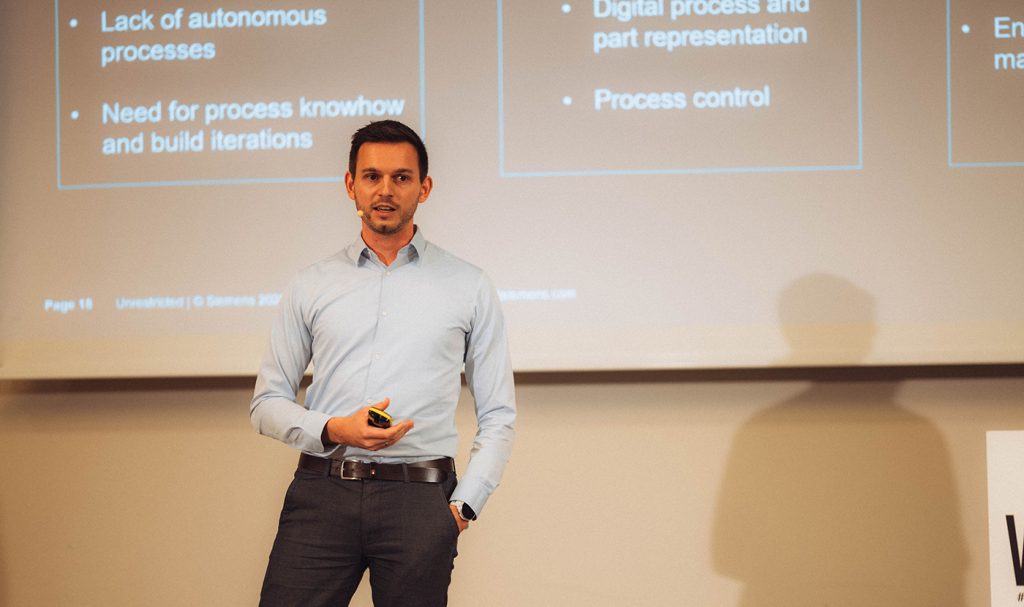
Raven T Reisch of Siemens AG reviewed the use of Digital Twins in the DED-ARC/W process. The Digital Twin approach offers advantages along the entire chain, from design and process planning to actual manufacturing and quality assurance. The Digital Twin serves as a virtual counterpart to the physical manufacturing process, featuring a bidirectional data connection. This approach is especially valuable for in-process quality monitoring. The objective is to detect process anomalies and part defects during the process itself, enabling data-driven quality assurance.
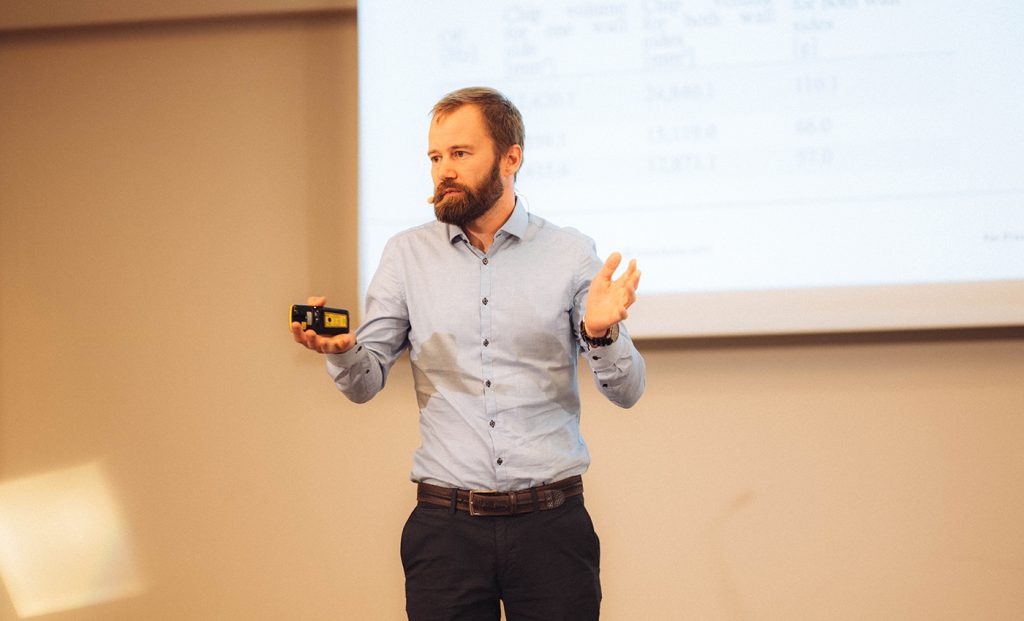
A presentation by Robert Lau from Fraunhofer IAPT explored the topic of surface structure. The study investigated how various process parameters affect the surface of additively manufactured parts. Improved surface quality can reduce the subsequent milling effort and save material. Lau placed special emphasis on the potential energy savings – both from the use of DED-ARC/W versus subtractive manufacturing in general, as well as the reduced need for post-processing due to enhanced surface characteristics.
One company that has taken on a particular challenge is Compound Extrusion Products GmbH (CEP), which focuses on addressing the wear of contact tips through which the welding wire runs during the build process. These need periodic replacement depending on wear, interrupting production and requiring manual intervention. This not only involves time and cost, but can also impact the quality of the additively manufactured part.
CEP has developed contact tips composed of different materials on the inside and outside. According to the company’s Eric Irmer, this modified material composition, along with an optimised geometry, now enables tip lifetimes of up to eighty-two hours. This significantly reduces maintenance and contributes to quality improvement. It also makes automated series production of components feasible in many applications.
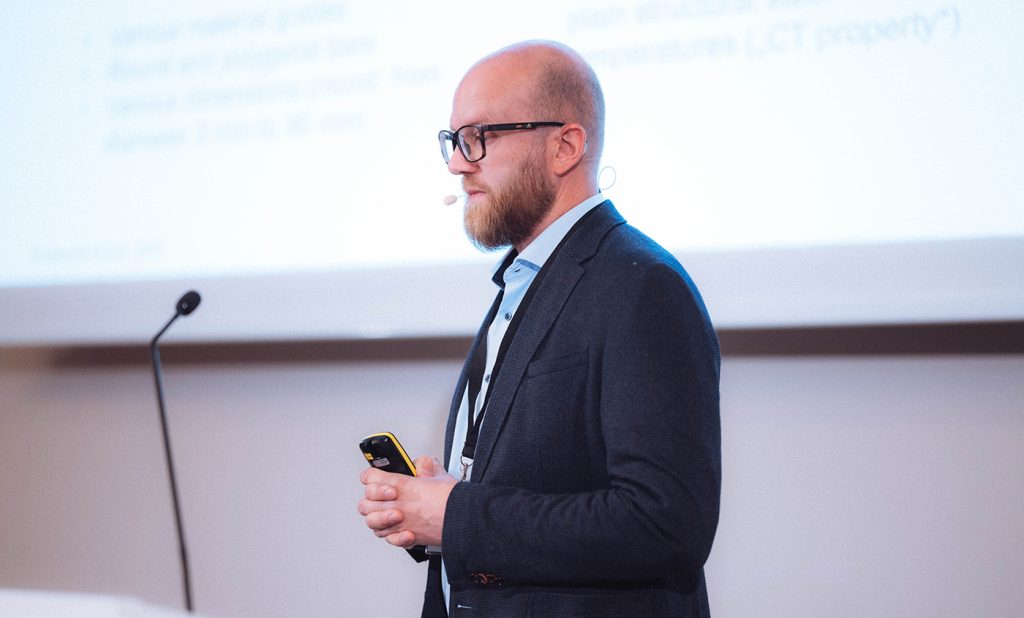
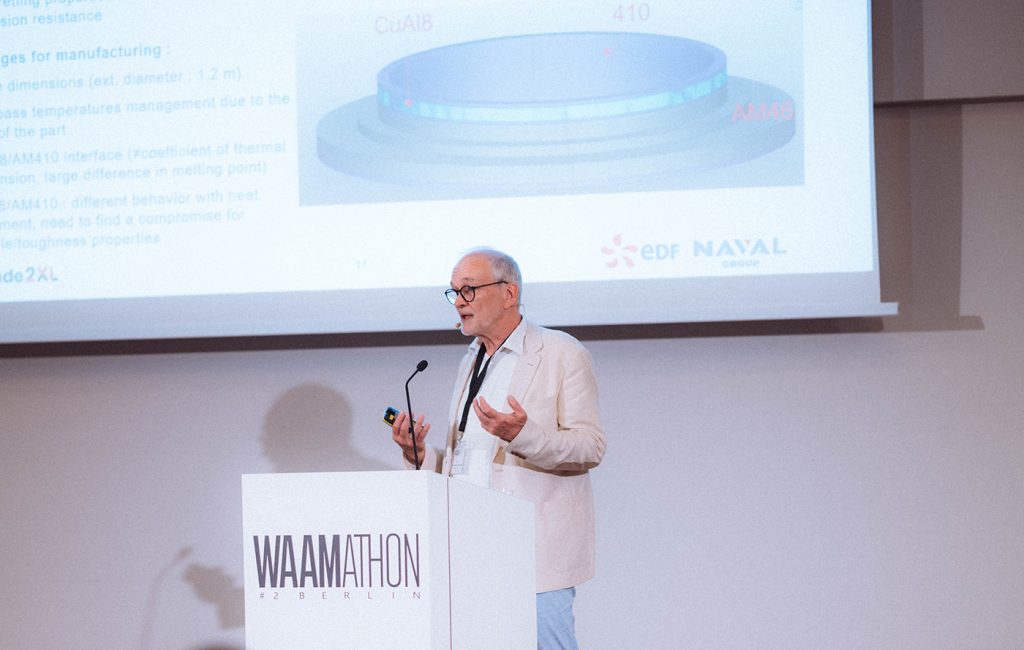
One critical component in the DED-ARC/W process is the welding wire – the material from which the part is made. Dr Martin Schmitz-Niederau, from voestalpine Boehler Welding Germany, presented key insights into multi-material components. He discussed the production of holding rings for hydraulic power plants, manufactured using a DED-ARC/W robotic system, and emphasised the importance of an Environmental Product Declaration (EPD).
Diverse applications, proven impact
The application examples presented at WAAMathon #2 were impressively diverse. One of the most well-established use cases is the rapid production of urgently needed spare parts. Uwe Jurdeczka, Group Lead Innovative Technologies for Production at Alstom Transport, illustrated this using the example of a yaw damper for a commuter train – a replacement part for rail vehicles produced by the company.
Given the decades-long service life of rail vehicles, the availability of spare parts must be guaranteed over comparable periods. Meeting this commitment cannot rely solely on warehousing, especially given the longevity of rolling stock and the wide range of parts involved. Alstom has already used the DED-ARC/W process in several instances to ensure spare part availability. Notably, even chassis components subject to dynamic loads can be produced using this process. The AM parts passed all static and dynamic strength and fatigue tests.
Additive Manufacturing applications for serial production, such as turbine blades in steam turbines, have also been successfully implemented. René Liers, Project Lead WAAM at Siemens Energy in Goerlitz, presented the initial conditions under which his company chose the technology and the path toward series production.
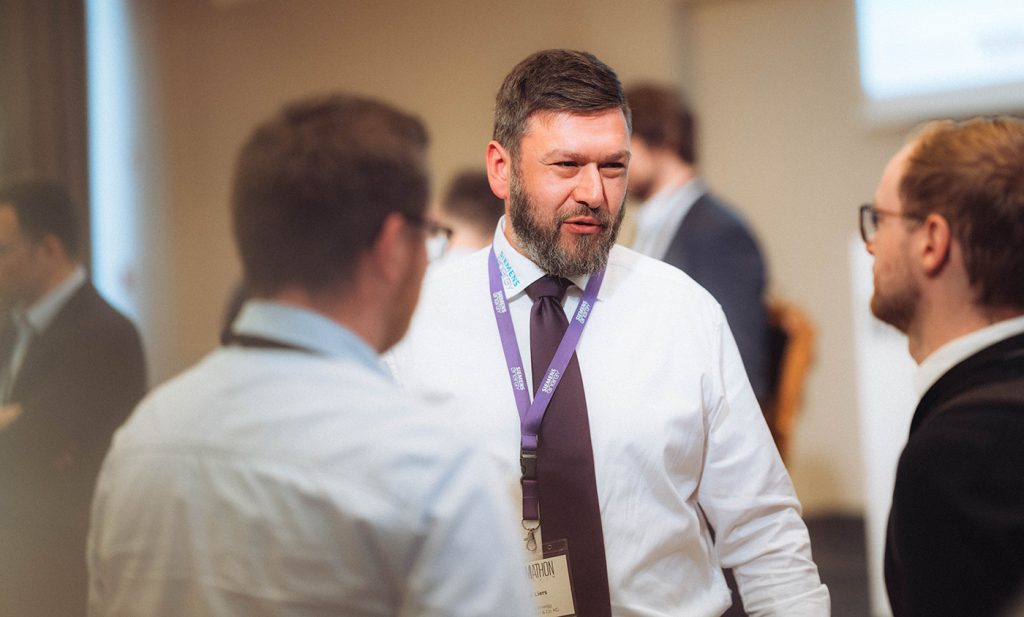
Custom-designed turbines pose particular challenges for production planning. The two main hurdles are typically lead times and costs. The blank material used for turbine blade machining often originates from China. Due to global supply chain issues, lead times can stretch to several months. Moreover, material wastage from machining can reach 70%. These are compelling reasons to consider production via DED-ARC/W. In a dedicated project, Siemens Energy examined feasibility, tested the quality of the manufactured blades, and ultimately implemented series production in 2022. The arc403 machine from GEFERTEC was used. Further, thanks to CEP’s above-mentioned contact tips with up to 82 hour durability, serial production now takes place around the clock and, to date, more than 2,700 turbine blades have been produced.
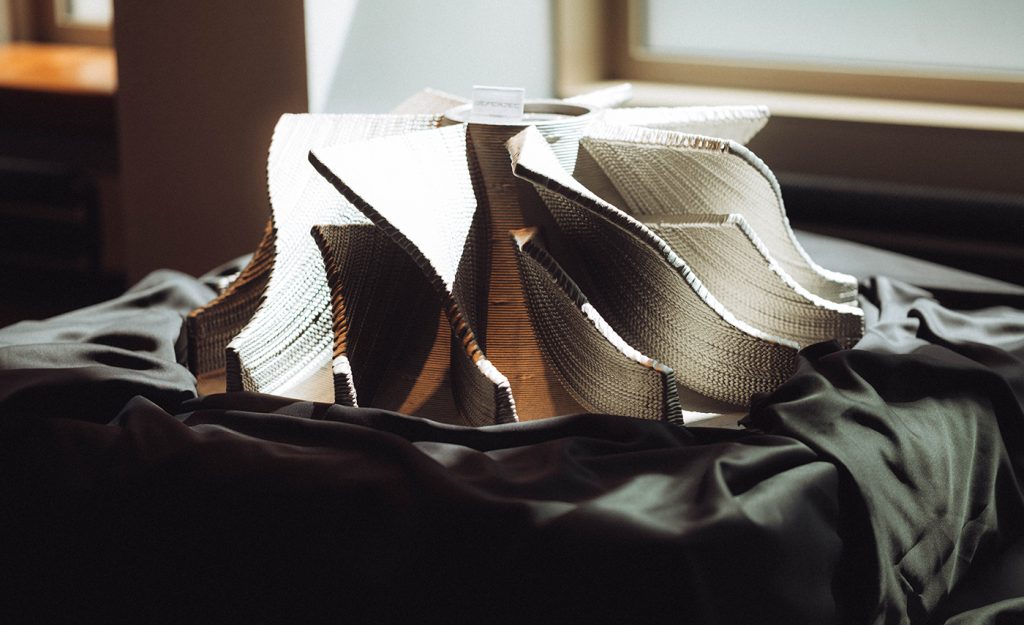
Another application presented at WAAMathon #2 was for industrial compressors, introduced by Elvir Murati, Head of Engineering-Aftermarket at Howden, a Chart Industries Company. The impellers used by Howden Turbo in industrial compressors are milled from forged disks for smaller models up to 900 mm in diameter. Larger impellers are made by welding blades onto a forged hub. For Howden Turbo, the DED-ARC/W process is suitable for repairing damaged or worn impellers. The first pilot project involved an impeller with a 900 mm diameter, with approximately 25% blade wear. The existing blades were removed by machining, and new ones were produced via DED-ARC/W before being milled to final dimensions. The finished impeller then underwent quality inspection. The total time for replacing the impeller was reduced from around eight months to less than four weeks, and CNC machining time dropped from 150 hours to under forty hours.
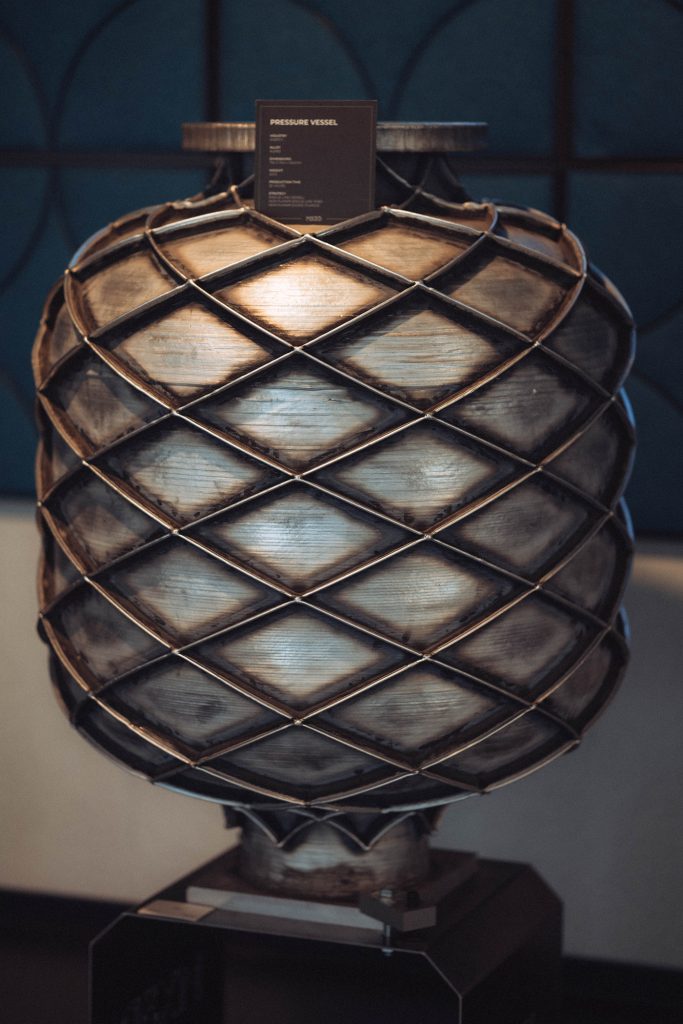
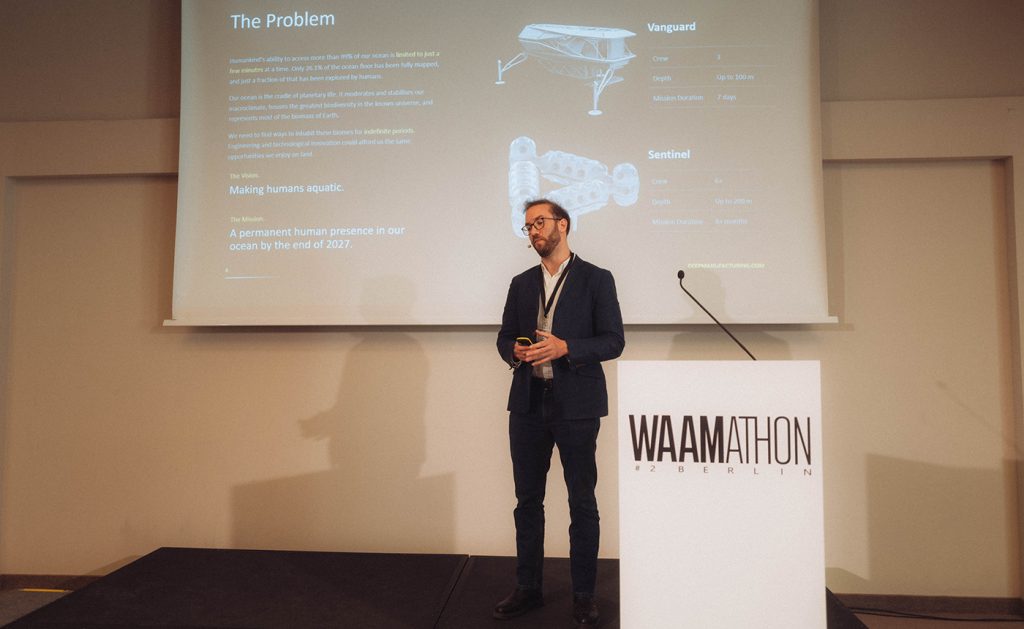
A unique application was presented by Dr Afif Batal, Manufacturing Engineer at Deep Manufacturing, involving the production of underwater habitats. The British company plans to offer two types of additively manufactured underwater habitats by the end of 2027: Vanguard, which will accommodate three people for up to seven days at depths of 100 m, and Sentinel, designed for more than six occupants at depths up to 200 m. Scientists are expected to carry out research at these depths for over six months. The dimensions of the additively manufactured parts are enormous, with diameters reaching up to 6 m and heights of 3.2 m. At Deep, DED-ARC/W manufacturing is carried out using a system called Hexbot, in which six articulated-arm robots simultaneously produce large structures.
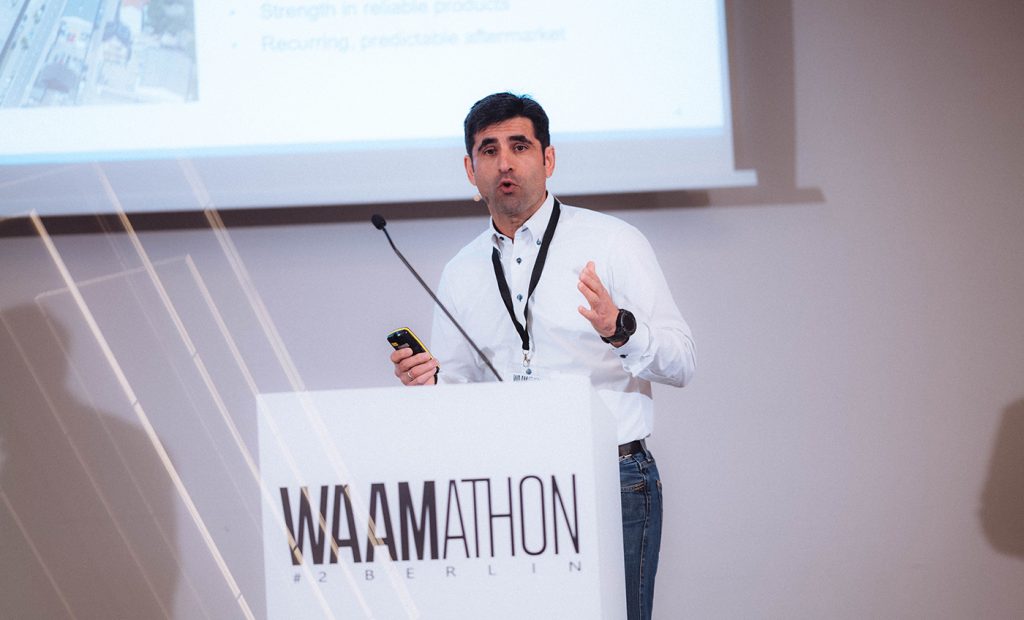
In his presentation, D Mark Douglass from Lincoln Electric showed applications from the energy sector. The company produces a wide variety of components on twenty-two DED-ARC/W machines. These time-critical applications highlighted the speed advantage of AM, with one example being of critical spare parts made of Inconel for a refinery that were delivered within thirty days.
Research projects drive technological progress
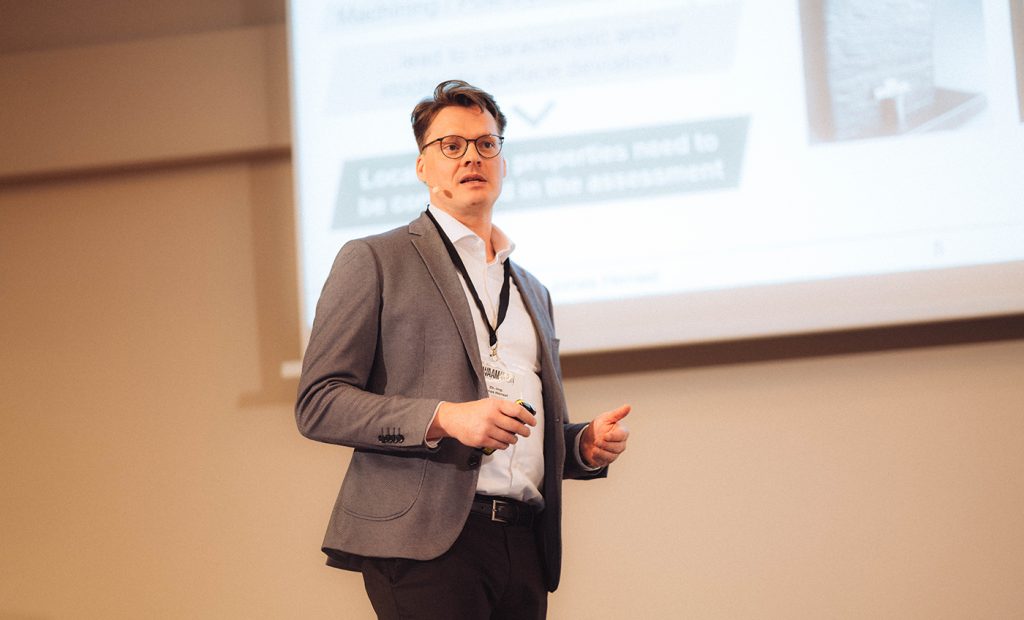
Although arc welding has been used for decades, its application in Additive Manufacturing still requires substantial research. At the Institute of Joining and Assembly Technology at Chemnitz University of Technology, a group led by Prof Dr Jonas Hensel is conducting research on DED-ARC/W.
In his presentation, Hensel focused on the mechanical properties of components, with particular emphasis on part strength as a function of various process parameters. He also examined the impact of surface finishing, specifically whether parts were post-processed by machining or not. According to Hensel, the qualification of the process is crucial; unlike conventional welding, there is still a notable lack of standards and norms.
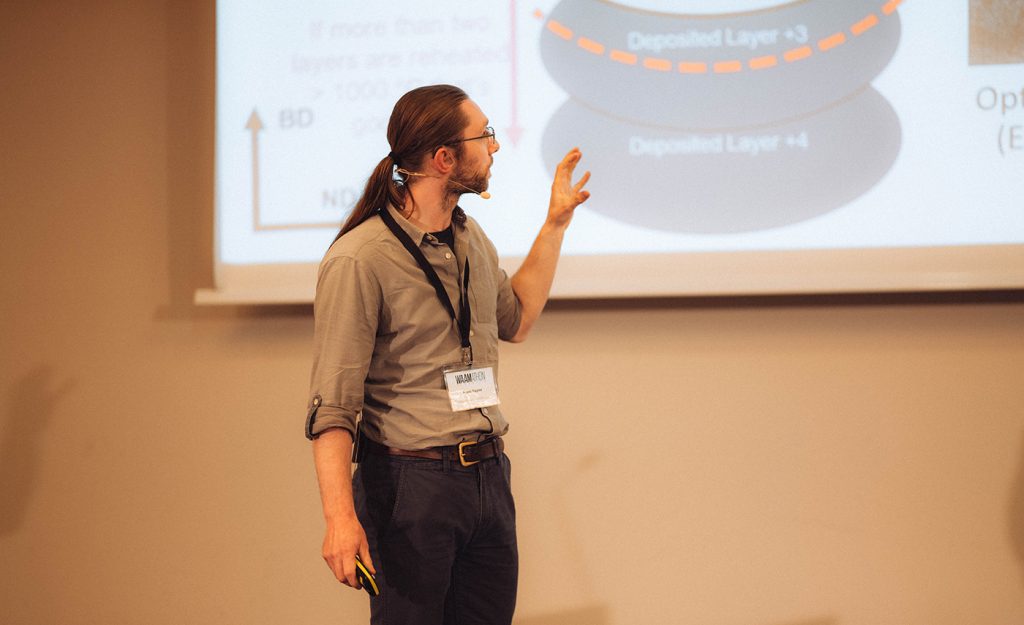
Dr Mark Taylor, from the University of Manchester, delved into the metallurgy of steels in DED-ARC/W. Specifically, he addressed the martensitic transformation that can occur during production. Ideally, the resulting grain sizes should match those in forged components. Among other findings, his results highlighted the influence of inter-layer temperature during the build process. The objective of the study is to establish recommendations for optimal process parameters.
Other presentations from academic and institutional research projects covered topics such as metallurgy, X-ray analysis, novel filler wires, and the challenges of using various aluminium alloys. The necessity of this breadth of research to move the industry forward was underscored by William Priest of the UK-based Kingsbury Additure, which focuses exclusively on Additive Manufacturing technologies. Although the title of Priest’s presentation was ‘Just Press Print,’ he demonstrated that things aren’t quite so simple.
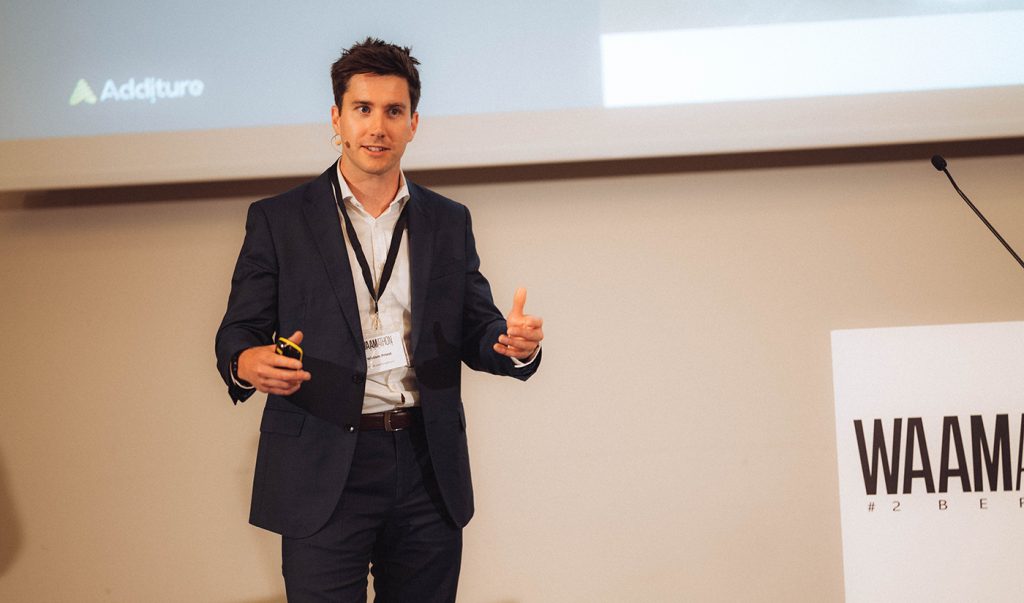
Kingsbury (Additure) operates an application centre dedicated to contract manufacturing and feasibility studies. William Priest emphasised the importance of deep expertise in producing DED-ARC/W parts. In recent years, Additure has built significant experience in optimising process parameters, path planning, CAD/CAM integration, and other critical steps in the workflow.
Positive outlook
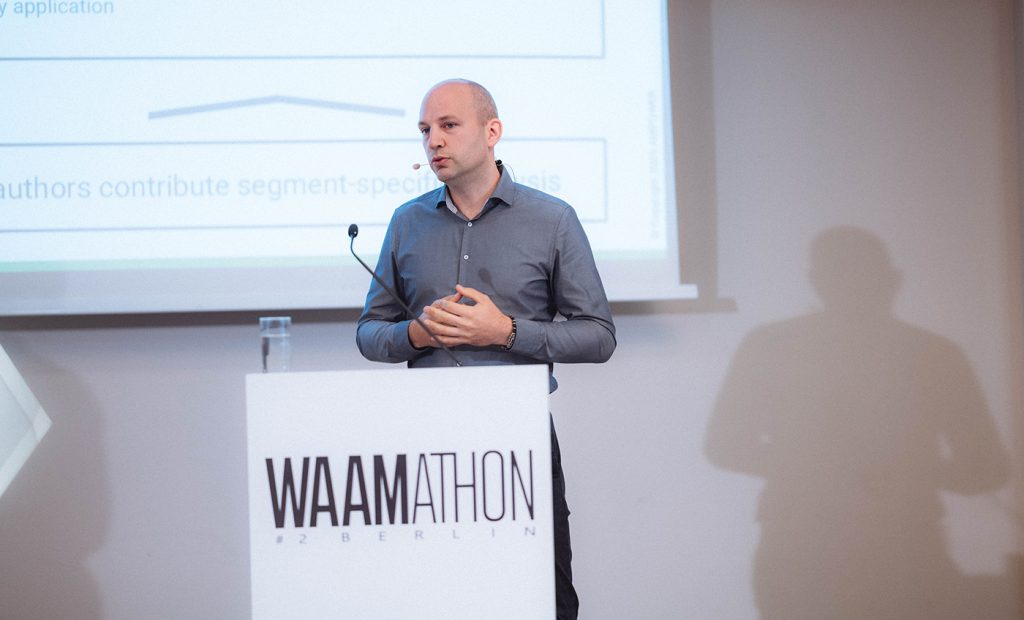
What lies ahead for this small, highly specialised sector? Matthias Schmidt-Lehr, Managing Director of AMPOWER, addressed this in his presentation on the findings of the latest AMPOWER Report. According to Schmidt-Lehr, the total market for all polymer and metal AM technologies was valued at €10.7 billion last year. By 2029, the report forecasts market growth to nearly €20 billion. The strongest growth is expected in DED technologies, with annual growth rates in the double-digit percentage range.
WAAMathon #2 offered a comprehensive insight into the current state and development potential of Wire Arc DED. The conference showcased a broad spectrum of innovations from process and equipment to applied industrial use cases and active academic research. Discussions around standardisation, quality assurance, and the integration of digital tools emphasised the challenges that remain as the technology advances. Continued collaboration between industry and research will be key to expanding the role of DED-ARC/W in metal Additive Manufacturing.
Author
Dr Joerg Lantzsch
Technical journalist
Wiesbaden, Germany
Contact
Berlin.Industrial.Group.
Tel: +49 30 912074-10
www.berlin.industrial.group
WAAMathon #3
Berlin.Industrial.Group. has announced that WAAMathon #3 will return to Berlin on 11 June 2026.
www.eventbrite.com/e/waamathon-3-berlin-tickets-1374141136129
LAST MONTH’S MOST-READ ARTICLES