Shaping a national Additive Manufacturing ecosystem: The strategic growth of metal AM in Türkiye
Türkiye’s Vision 2025 roadmap places Additive Manufacturing at the core of its aerospace innovation strategy, with a view to driving innovation in aircraft production and beyond. This article explores Türkiye’s efforts to integrate AM technologies, driven by the country’s leading aerospace producer, Turkish Aerospace Industries (TAI), and powered by the vital contributions of organisations such as EKTAM and ALUTEAM. With academia-industry collaboration, international partnerships, and advances in materials and processes, Ümit Aytar reports on how Türkiye is shaping a robust AM ecosystem. [First published in Metal AM Vol. 10 No. 4, Winter 2024 | 15 minute read | View on Issuu | Download PDF]
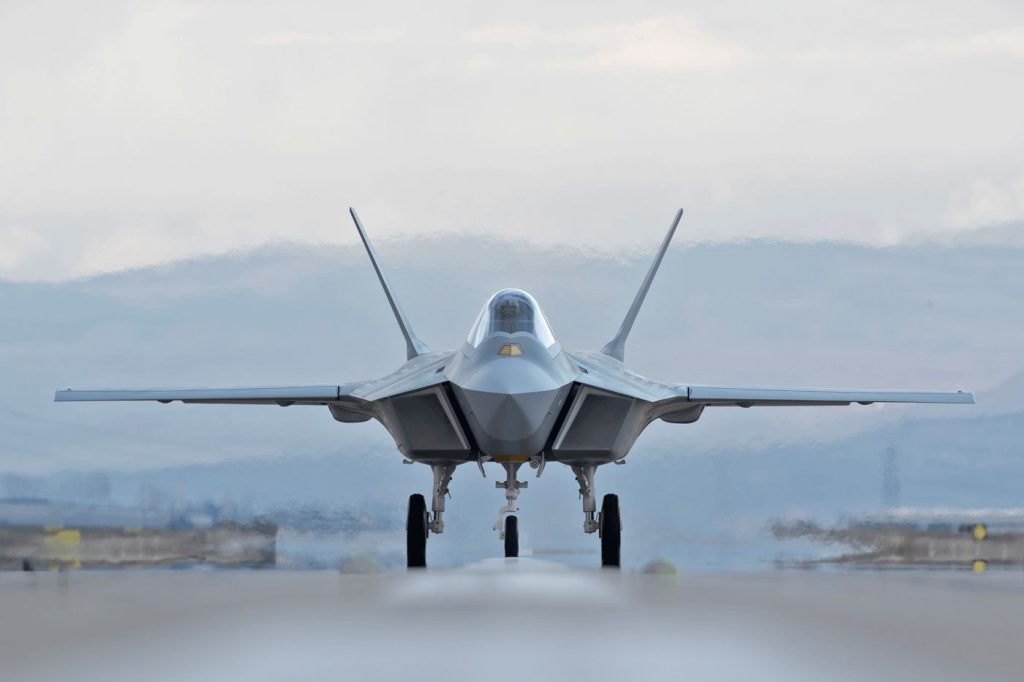
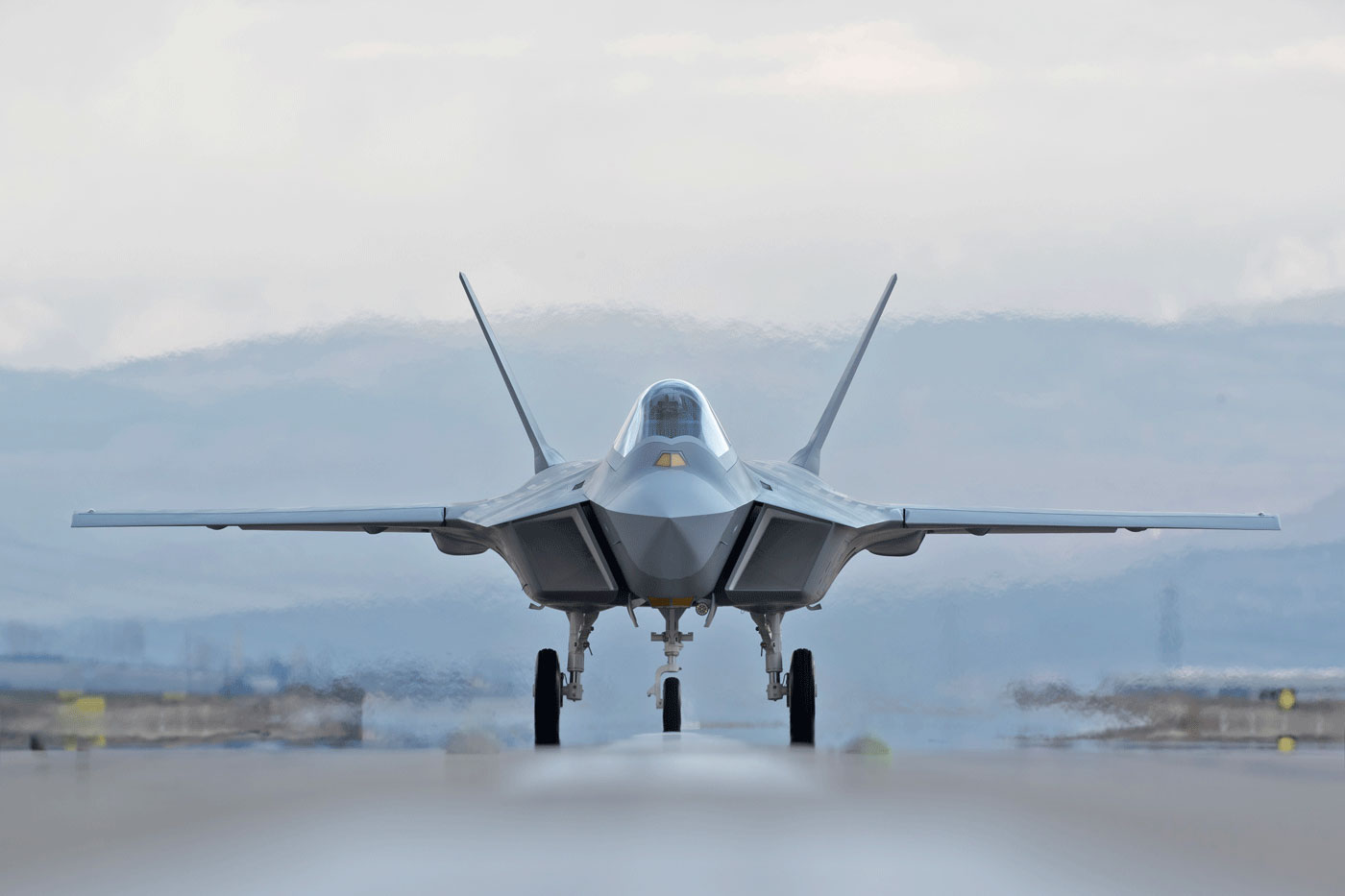
As part of Türkiye’s Vision 2025 roadmap, the integration of Additive Manufacturing technologies into aircraft and helicopter production is regarded as critical to the country’s industrial and economic development. Numerous structural metal and polymer aircraft components are manufactured through Additive Manufacturing processes globally, and the technology’s potential in aviation maintenance, repair, and overhaul activities presents a further promising avenue for enhancing efficiency and innovation in the sector.
Turkish Aerospace Industries (TAI) is at the forefront of this effort. The organisation is working to efficiently integrate Additive Manufacturing into its ongoing aircraft design and production processes, enabling it to leverage AM’s design approaches for series production as well as its potential for rapid product development.
To achieve this, Turkish Aerospace Industries is working to develop qualification methods for Additive Manufacturing processes used for series parts production, as well as the qualification and certification of raw materials, processes, equipment, and parts. The first qualification of a metal powder and the associated process for a metal additively manufactured component was completed in March 2023. The company hopes to build on this during 2025, expanding its list of qualified materials.
Turkish Aerospace has been integrating additively manufactured products into its platforms for many years. A significant portion of these components are polymers, while others are metals, representing a variety of manufacturing modalities. The company has a strong history in Additive Manufacturing, which has remained relatively understated but is now being emphasised and promoted more actively.
Turkish Aerospace works with a wide range of organisations in Türkiye, all of whom contribute to the collective goal of advancing the use of AM in the country’s aerospace industry. This article highlights the activities of a number of key partners in Türkiye who are contributing to the wider adoption of metal Additive Manufacturing in the country.
EKTAM
Additive Manufacturing is reshaping modern industries, contributing significantly to sectors beyond aerospace, such as defence, healthcare, and automotive, thanks to advantages such as its design flexibility and the potential to utilise a broad range of advanced materials.
Gazi University’s Additive Manufacturing Technologies Application and Research Centre (EKTAM) was established in 2017, and has become a driving force in the AM community and a cornerstone of Türkiye’s AM sector, facilitating the country’s ambition to be a global leader in advanced manufacturing.
Located within a Technology Development Zone, EKTAM serves as a national centre of excellence, fostering collaboration between universities, research institutions, and industries. Today, EKTAM uses its resources to advance the boundaries of Additive Manufacturing both domestically and internationally.
Materials and Process Engineering is a critically important discipline in aerospace. Ensuring that requirements, qualification processes, and all key responsibilities of this department are firmly established before production begins plays a pivotal role in the successful implementation of Additive Manufacturing technology,” stated Prof Dr Metin U Salamci, Director at EKTAM.
“Transferring technology from universities to private sector companies is a crucial process. Globally, only a limited number of institutions specialise in facilitating this transfer. EKTAM is the most important of these in the field of Additive Manufacturing in Türkiye,” added Salamci.
EKTAM focuses on the R&D of next-generation AM technologies, emphasising collaboration between academia and industry. The main objective of the centre’s collaborative R&D is the development with its partners of value-added manufacturing processes for metal AM across a wide range of applications – particularly in the aerospace, defence, and healthcare sectors.
Domestically, EKTAM collaborates with universities, including Middle East Technical University, Istanbul Technical University, Izmir Institute of Technology, Erzurum Technical University, Sabanci University and Sivas University of Science and Technology. Internationally, it collaborates with Southern Denmark University Denmark; AGH University of Krakow, Poland; Azerbaijan Technical University and Michigan State University in the USA, to integrate AM technologies into undergraduate education.
Alongside its mix of academic partnerships, the centre collaborates with Turkish companies such as ASELSAN, TAI and Ermaksan Additive, as well as international partners such as Poland’s 3D LAB and South Korea’s InssTek Co.
EKTAM’s activities align with Türkiye’s growing focus on technological development. By developing domestic AM technologies and optimising production methods, the centre contributes to reducing the country’s reliance on overseas suppliers, especially in advanced materials and manufacturing technologies.
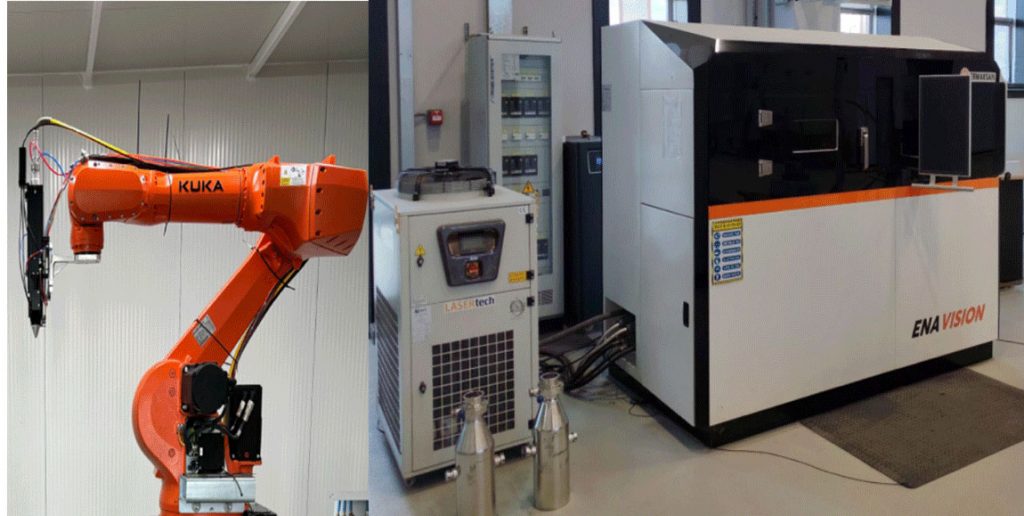
To support EKTAM’s focus on Powder Metallurgy, metal Additive Manufacturing and Design for Additive Manufacturing, the centre has invested heavily in state-of-the-art manufacturing equipment, including ATO LAB+ Ultrasonic metal powder atomisation systems, KUKA industrial robot technology which has been integrated into a Direct Energy Deposition (DED) machine developed in-house, an Arcam A2X Electron Beam Powder Bed Fusion (PBF-EB) machine, Ermaksan ENA Vision 250 and Concept Laser M2 Laser Beam Powder Bed Fusion (PBF-LB) machines, Wire Electrical Discharge (EDM) technology, and Micro CT scanning.
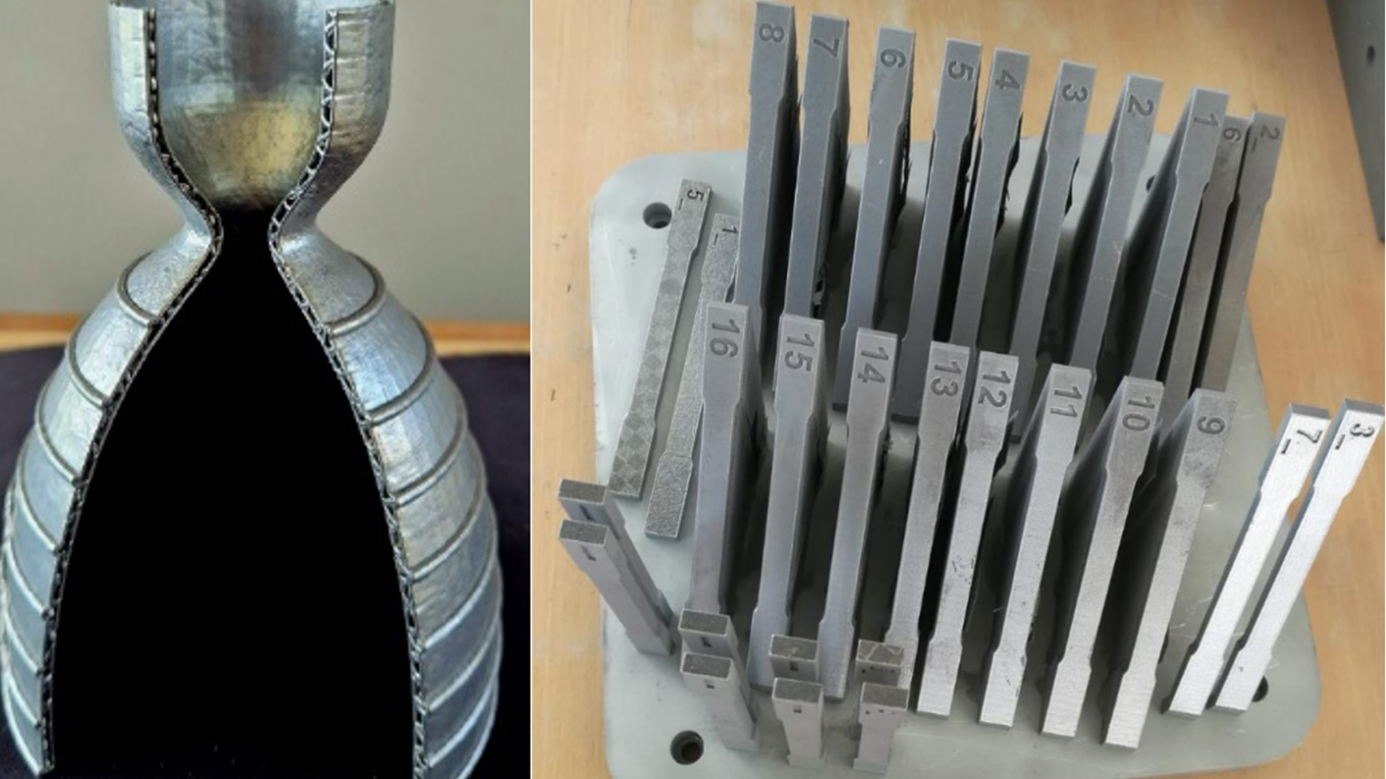
ATO LAB+ ultrasonic metal powder atomisers installed at EKTAM use two different modules: an Induction Melting System (35 kHz) and a Wire Feeding System (20 kHz, 35 kHz), which produce different size powders at different frequencies. These ultrasonic metal powder atomisers are used to produce low volumes of high-quality metal powders for Additive Manufacturing application development. Both reactive and non-reactive metal powders can be processed, including aluminium, copper, stainless steel, titanium, and other alloys, making them highly versatile tools for a variety of research and development applications.
One vital aspect of EKTAM’s mission is education. Through its masters and doctoral programmes, the centre trains students and professionals, many of whom go on to lead research projects. The close relationship between EKTAM and industry enables students to work on real-world projects and gain invaluable hands-on experience.
Twenty-nine permanent employees from academia and industry work at the facility, contributing to research and education activities. Within the scope of the COFUND project titled ‘Advanced Materials and Advanced Manufacturing Technologies,’ nineteen international PhD students have come to Türkiye to begin their doctoral programmes at Gazi University, Middle East Technical University, Istanbul Technical University, and Izmir Institute of Technology. The PhD students involved in the project will research topics related to Advanced Materials and Advanced Manufacturing Technologies, contributing primarily to product-based research for the AM community.
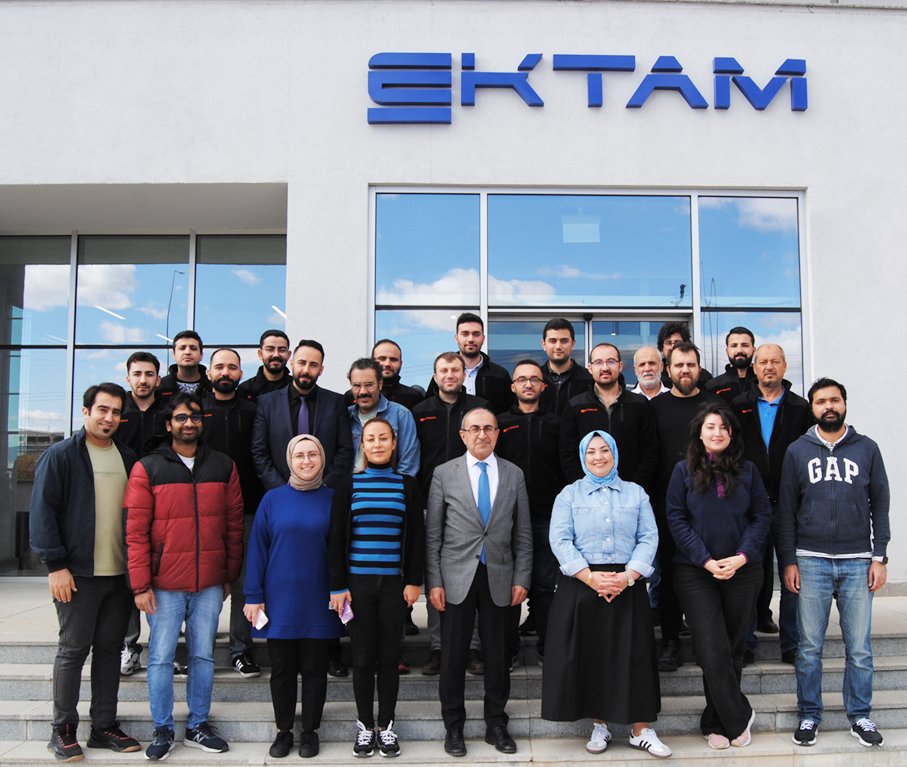
In addition, EKTAM has fostered international research partnerships, such as its dual-degree doctoral programme with Michigan State University. These collaborations enhance the centre’s ability to train the next generation of experts in AM technologies while contributing to global knowledge exchange. EKTAM’s work builds strong relationships between academia and industry, making the centre a national leader in the area. In addition, active participation in global research collaborations – including EU-funded Horizon projects and international academic exchanges – also places EKTAM as an important player on the international stage.
Through these collaborations, EKTAM ensures that its research keeps pace with the latest advancements in AM technologies worldwide. EKTAM’s contributions extend beyond research to practical applications, with numerous scientific publications and industrial applications that bolster Türkiye’s standing in the global AM community. Such work has led to technological advancements that benefit both Türkiye and the broader international ecosystem.
ALUTEAM
Aluminium alloys are becoming increasingly important in Additive Manufacturing thanks to their unique properties and versatility. Known for their lightweight nature, excellent corrosion resistance, and high strength-to-weight ratio, aluminium alloys have found widespread applications across industry, particularly in aerospace, automotive, and electronics. By combining these alloys with Additive Manufacturing, lightweight parts that are both strong and durable can be produced, making them ideal for high-performance applications where weight reduction is crucial.
Processing aluminium alloys by AM can achieve complex geometries that would be challenging or impossible to produce using conventional manufacturing methods. This allows for the creation of optimised, lightweight parts without compromising structural integrity – especially useful in sectors such as aerospace, where reducing mass translates to fuel efficiency.
Moreover, AM results in reduced material waste and shorter production cycles. The ability to selectively deposit material only where needed minimises excess use, leading to significant cost savings, especially when using high-value materials. In addition, advancements in AM technology have improved the properties of aluminium alloy parts, enhancing their mechanical properties and surface finish to meet rigorous industry standards.
The Aluminum Testing, Education, and Research Center (ALUTEAM) was established at Fatih Sultan Mehmet Vakıf University in 2011 and originated from a project initiated at Aluexpo in partnership with the university and the wider aluminium industry. With the support of the Entrepreneurial Aluminum Industrialists and Businessmen’s Association (GALSİAD) and the Istanbul Development Agency (ISTKA), ALUTEAM officially began its operations in 2013. The centre expanded in 2015, starting a project partnership with the Istanbul Ferrous and Non-Ferrous Metals Exporters Association (İDDMİB) and, in 2018, with the Turkish Aluminum Industrialists Association (TALSAD).
ALUTEAM collaborates with a range of industries, primarily aluminium, aerospace, automotive, defence, healthcare, and education. By merging academia’s research capacity with the industry’s manufacturing expertise, ALUTEAM generates projects aimed at fostering productive and sustainable university-industry collaborations. It operates as a non-profit testing, education, and research centre.
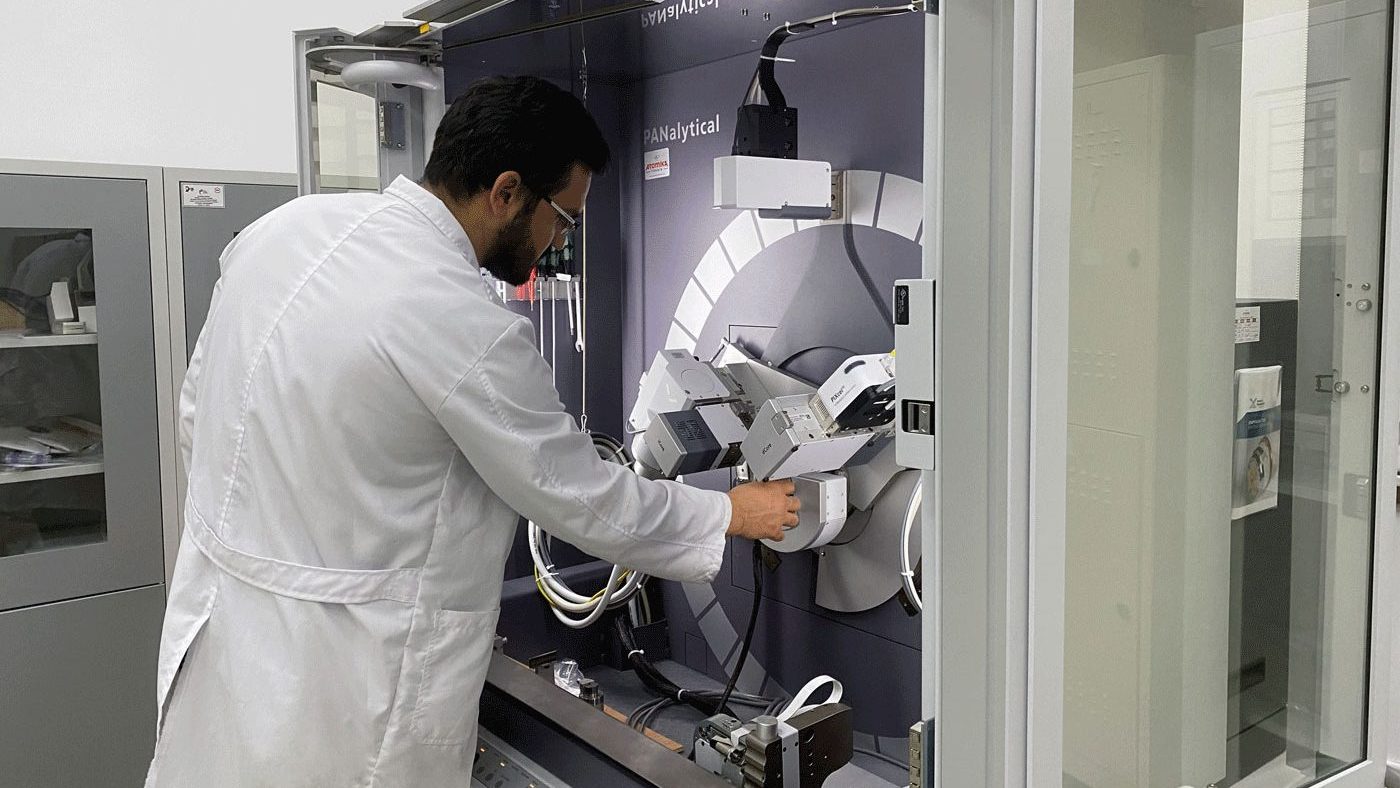
ALUTEAM conducts the necessary testing across all industry sectors and alloy series, focusing on R&D and product development efforts tailored specifically for the aluminium industry. The centre’s laboratories include Metallography, Microscopy and Materials Analysis Laboratory, Casting and Heat Treatment Laboratory, Advanced Characterisation Laboratory, Thermal-Energy Testing Laboratory, and Mechanical Testing Laboratory. With a robust laboratory infrastructure that has completed over 8,000 material tests, and a team of experienced researchers, ALUTEAM provides collaborative opportunities for numerous academics and industry professionals. Additionally, its TURKAK 17025-accredited laboratories offer professional commercial services through a concurrently developed business model.
ALUTEAM also develops and delivers vocational/technical training and seminars based on the sector’s needs, with national and international projects enriching these educational services. While professional training programmes are prioritised, content is also created for university students. Brands such as Cephe Akademi and ALUTalks were developed to support seminars and academia, with summer and autumn internship/training programmes contributing to the development of young professionals. Since its establishment, ALUTEAM has organised 106 vocational and technical training sessions and seminars, reaching more than 3,000 participants and developing nearly 2,000 hours of content. External professionals who come as guest speakers – as well as the centre’s researchers and academics from the university – support the training programmes.
As an R&D centre, ALUTEAM places high value on academic output, including articles, conference papers, book chapters, and national and international project work. To date, ALUTEAM researchers have co-authored a hundred articles with researchers from various universities and institutions. The professional teams have successfully completed fifteen national and international projects and are currently managing five more. All educational, testing, and Additive Manufacturing efforts are integrated with ALUTEAM’s research activities to support each other.

ALUTEAM also develops materials such as Inconel, stainless steel, and maraging steel in addition to aluminium, and the organisation has extensive research infrastructure and expertise to develop production parameters for specialised alloys.
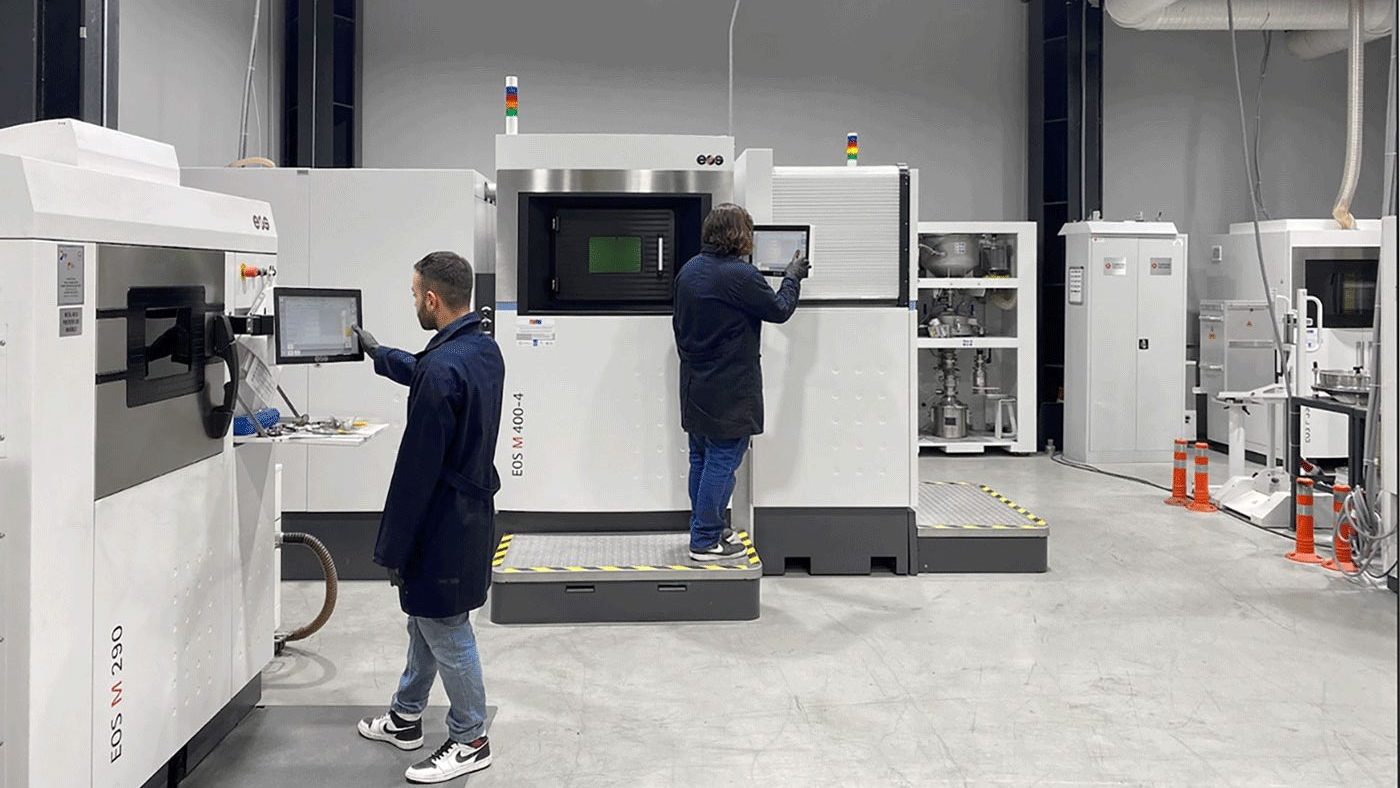
In 2023-2024, ALUTEAM enhanced its Additive Manufacturing laboratory infrastructure with new investments, doubling its fleet with the addition of two Additive Manufacturing machines. With over 16,000 metal Additive Manufacturing parts produced and more than 30,000 PBF-LB production hours, the ALUTEAM offers experienced manufacturing capability. In addition, it has produced over 140,000 polymer AM parts, making it one of Türkiye’s leading Additive Manufacturing centres.
Through its Additive Manufacturing business model, ALUTEAM supports R&D efforts and AM product development and commercialisation to companies in the defence, aerospace, automotive, and biomedical sectors, to name a few. The development and commercialisation of domestically produced Additive Manufacturing machines is also a key focus area for ALUTEAM.
Turkish Additive Manufacturing Association (TAMA)
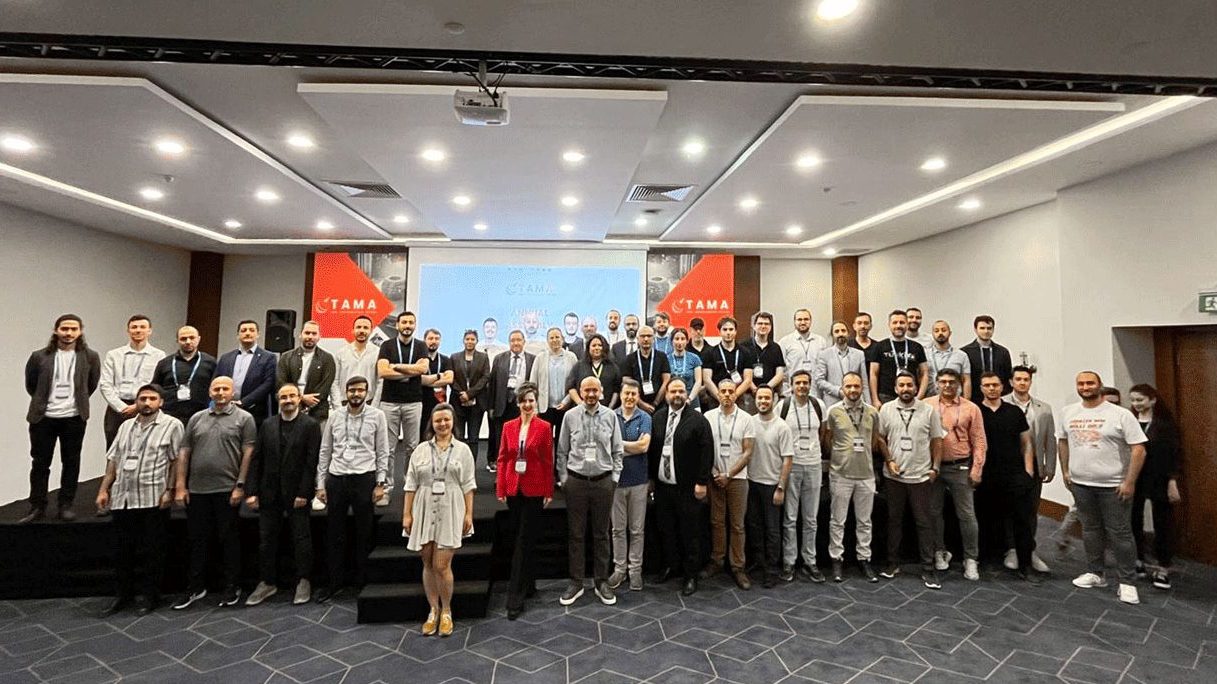
Turkish Additive Manufacturing Association is a non-governmental entity established in 2018 and officially registered as an association in 2023. It promotes and disseminates Additive Manufacturing technologies in Türkiye. TAMA is managed by academics, researchers and professionals who are experts in Additive Manufacturing and related technologies. TAMA also aims to organise international conferences, events, online webinars, student activities and professional training.
MetalWorm
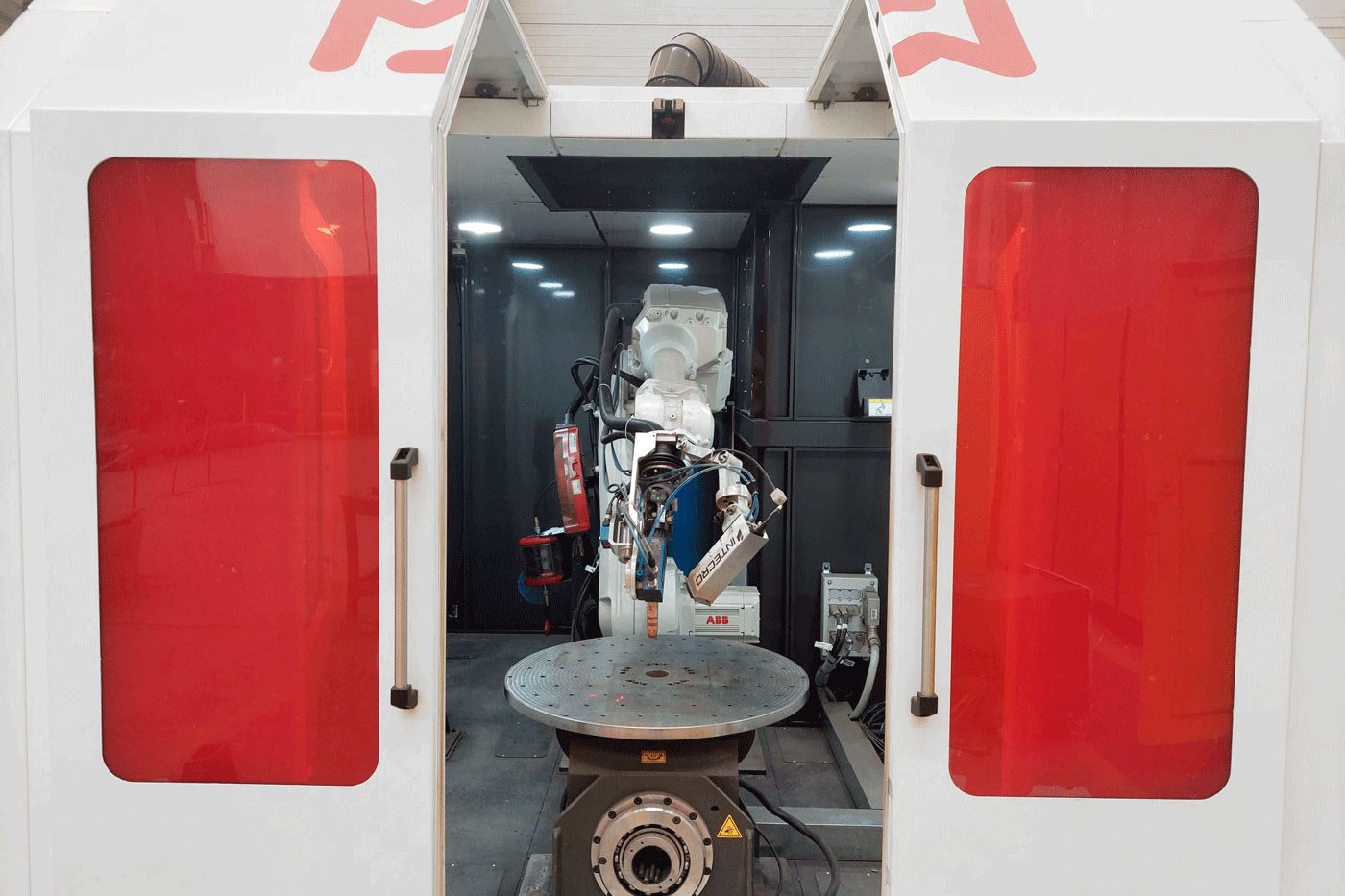
MetalWorm specialises in robotic wire-arc DED. Its holistic approach to problem solving includes advanced toolpath strategies, real-time process monitoring, adaptive process control, materials science, and a process parameter library suitable for different materials and geometries. As part of this all-encompassing strategy, MetalWorm manufactures robotic Additive Manufacturing machines that are suitable for various levels of research as well as industrial production.
Norm Additive & Norm 3D
Founded in 2021 under the umbrella of Norm Holding, Norm Additive continues to serve and enhance capabilities across various sectors beyond the parent company’s automotive industry, including aerospace, white goods, machinery and automation, and medical. Located in Izmir, Norm Additive’s 750 m2 facility utilises PBF-LB technology.
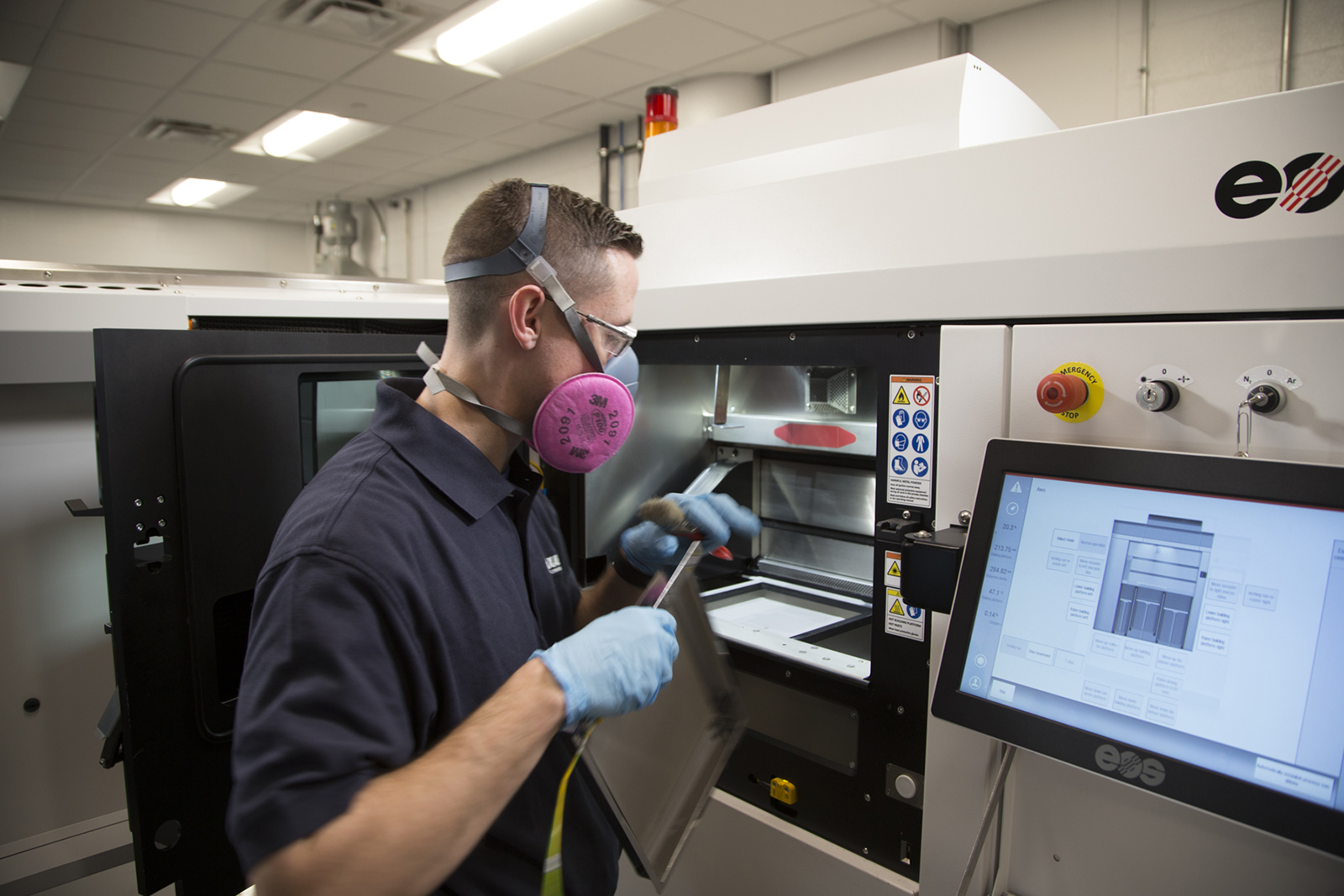
The company’s production and engineering equipment includes GE Additive M2 S5 and EOS M290-1 kW metal AM machines. Norm Additive offers a wide range of materials, including metal alloys such as AlSi10Mg, 316L stainless, EOS’s CuCp copper and MS1 maraging steel, furthermore it has an ever-expanding materials portfolio. Post-processing services such as heat treatment, surface polishing and cleaning, machining, sandblasting, and surface coating are provided in-house. Its extensive workshop and technical capabilities – including assembly, integration, and fastening component installation processes – enable the production of fully finished parts.
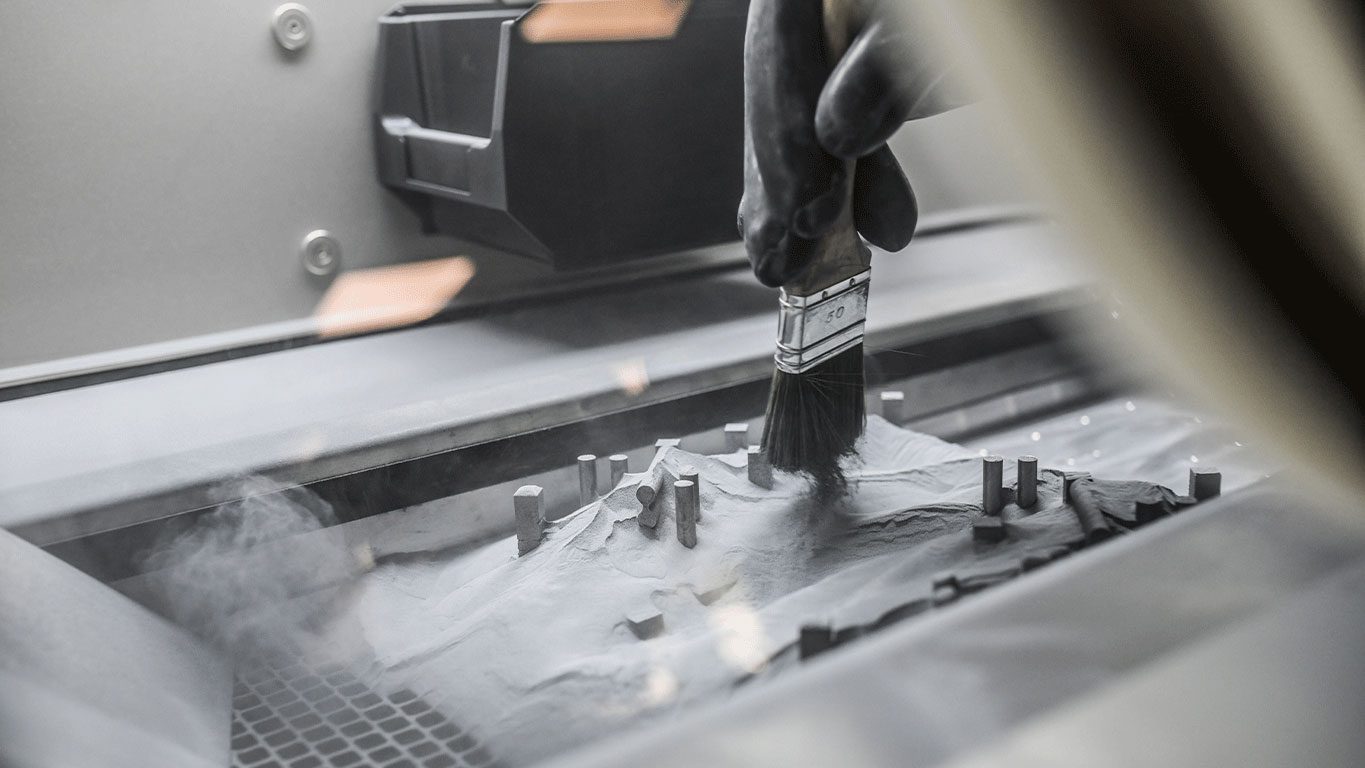
In addition to manufacturing services, various engineering studies are conducted on customers’ existing products and parts to enable sustainable and lightweight product manufacturing. Norm Additive also offers reverse engineering services through its 3D scanning and CMM capability. With a newly established quality control department, opened this year, parts undergo quality inspections and are then delivered to customers with detailed reports.
In addition to Norm Additive, Norm 3D was established in 2024 to meet the needs of customers in Türkiye who wish to acquire Additive Manufacturing technology. The company partners with EOS GmbH and is its sole official distributor in Türkiye. Norm 3D is responsible for offering suitable machine options to customers looking to purchase AM machines, managing the sales process, and providing all maintenance and repair services after the sale. In addition, it supplies raw materials and spare parts to its clients. The company is headquartered in Izmir, with offices in Istanbul.
Alloy Additive
Conventional welding experience is highly valuable in Additive Manufacturing. This expertise is especially important in relation to DED based technologies. As a result of prioritisation efforts, it is essential for Türkiye to develop its own AM machine production capability, to establish its own production parameters, and utilise locally-sourced raw materials.
Since its foundation in 2020, Alloy Additive has been pushing the limits of what DED technology can achieve. The company’s approach utilises a Tungsten Inert Gas (TIG) welding robot to achieve industry-leading deposition rates, enabling the rapid manufacturing of large parts using a wide range of materials, including titanium alloys, Invar, Inconel, and stainless steels.
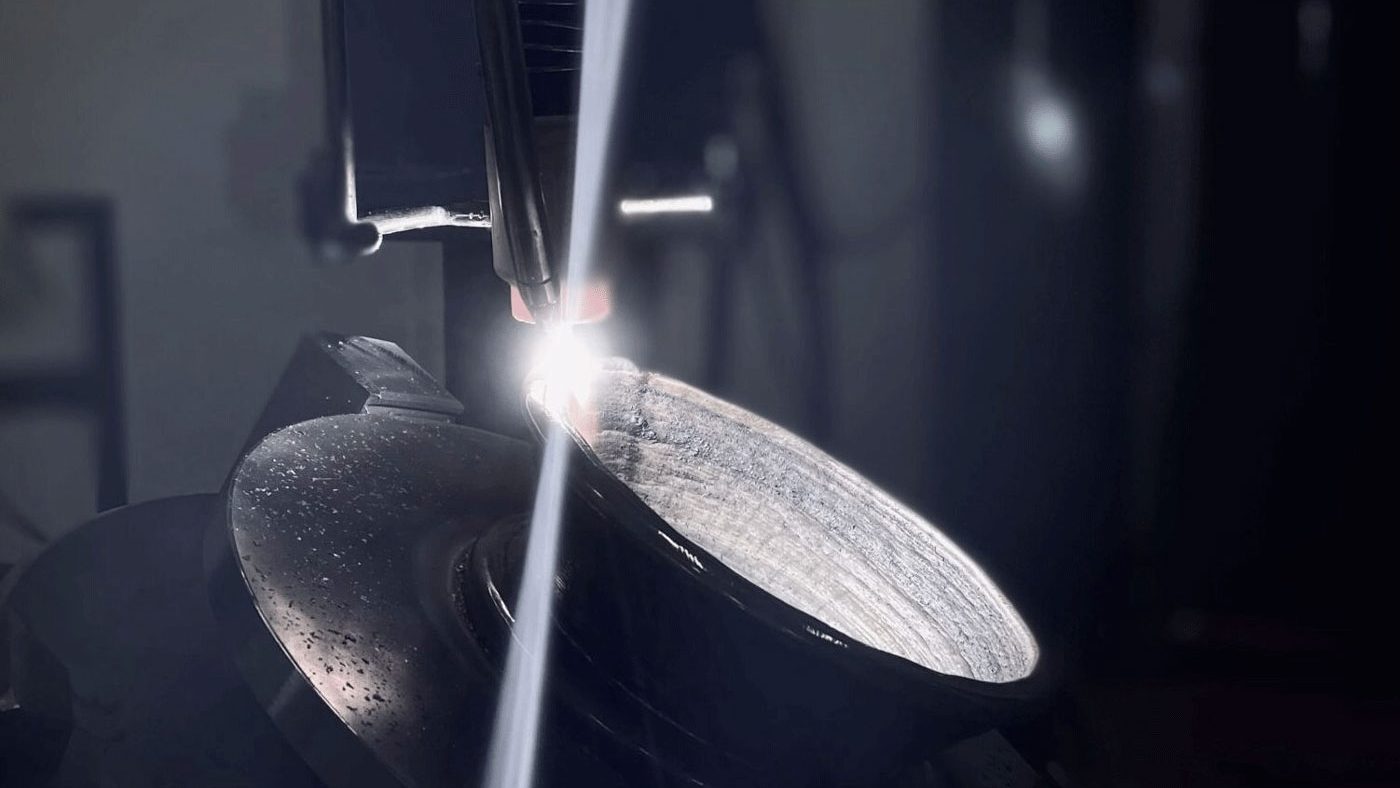
Alloy Additive’s core innovation lies in its proprietary software, which enables precise control over DED process parameters. This enables manufacturing with 95% less material waste compared to conventional methods. This efficiency not only saves costs but also reduces CO2 emissions by 90%, making the approach equally attractive for its sustainability.
Enjoying order-of-magnitude reductions in lead times, as well as features unattainable by conventional machining methods, Alloy Additive customers use the company’s DED parts in a diverse range of applications, including rockets, racing yachts, trucks, trains, moulds, and petroleum refinery equipment. Alloy Additive has also experienced success repairing large parts in-situ, helping customers avoid the expense of machine downtime.
Having recently secured multiple programme awards and investments, as well as new international customers who require huge multi-meter scale parts, Alloy Additive is poised to continue transforming the landscape of advanced manufacturing through rapid, cost-effective, energy-efficient, and environmentally conscious large-scale metal manufacturing solutions.
ADDME

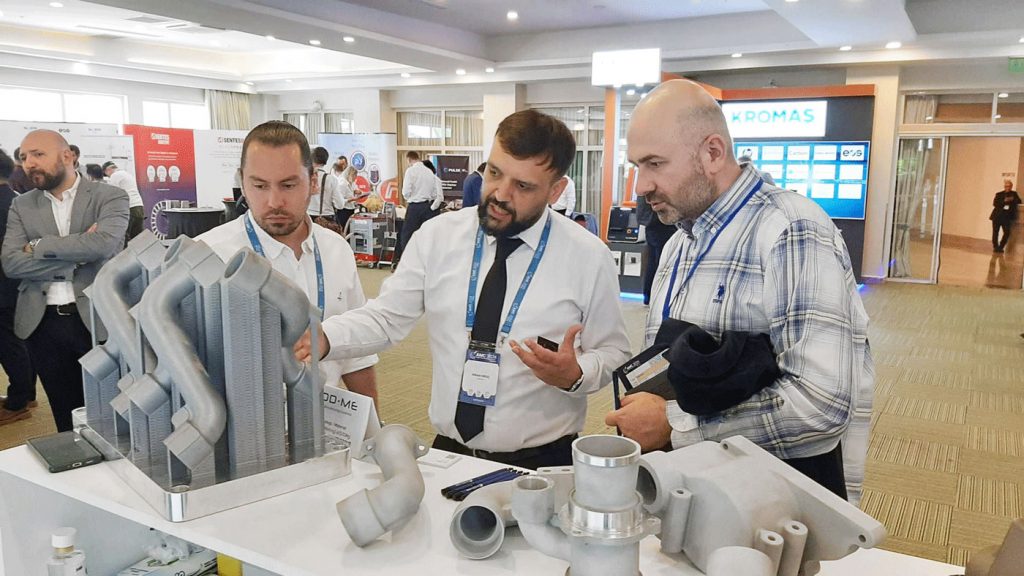
ADDME is a spin-off from Coşkunöz Holding that leverages the latter’s seventy years of engineering expertise. ADDME provides end-to-end support to its clients, from redesigning conventional parts for Additive Manufacturing to production and qualification processes. As one of Türkiye’s leading Additive Manufacturing brands, ADDME offers a wide range of industrial solutions, from prototyping to mass production, and it stands out in the industry with its advanced technologies. It specialises in high-performance materials such as titanium, nickel and aluminium alloys processed using Powder Bed Fusion technologies. By contributing to its clients’ innovation processes, the company has become one of the most reliable business partners in the industry.
ADDME provides engineering and design optimisation services with its expert AM team in Additive Manufacturing, supporting the entire process from design to the final product. Through its training programmes, it aims to boost the knowledge of professionals in the industry. ADDME also plays a key role in R&D projects that help transition conventional parts to Additive Manufacturing, enabling companies to enhance their competitiveness in this field.
Conclusion
Aligned with global developments, AM provides advantages in flexibility, cost-effectiveness, and speed within production processes, making it an increasingly vital technology. The metal Additive Manufacturing sector in Türkiye is rapidly advancing to meet the innovative production demands in the defence, aerospace, and space industries.
Collaboration between universities, research centres and industry organisations is essential for the broader adoption of metal Additive Manufacturing. By establishing standards and clarifying part of a validation process, Türkiye’s competitive edge in this field will be further enhanced, helping the country build a robust metal Additive Manufacturing ecosystem that supports its national production goals and strengthens its global standing.
Author
Ümit Aytar
[email protected]
LAST MONTH’S MOST-READ ARTICLES