Innospace validates bi-propellant cooling technology
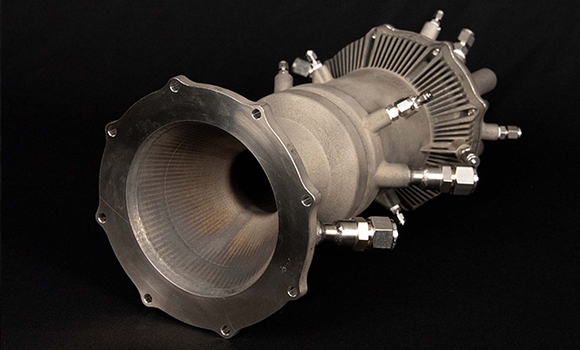
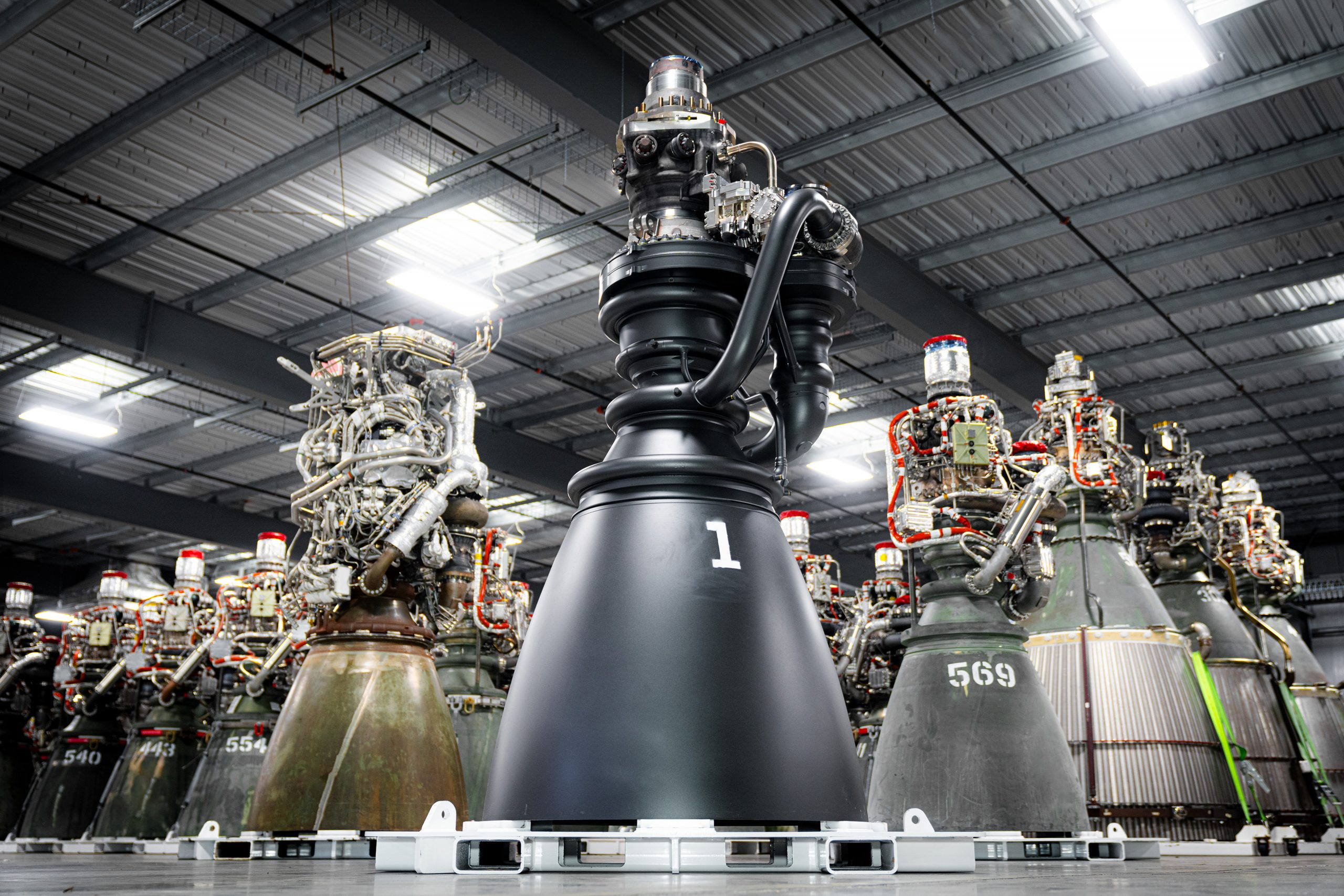
Innospace, headquartered in Sejong, South Korea, has successfully completed a 420-second ground firing test featuring its bi-propellant regenerative cooling methane rocket engine technology. The test, reportedly the longest-duration test of its kind conducted in South Korea, was undertaken to verify the durability and robustness of a methane engine incorporating the new additively manufactured technology.
Developed for the company’s 0.4-tonne-thrust (approximately 3.9 kN) liquid methane engine, LiMEK-04, it is intended for use in the kick stage of Innospace’s next-generation HANBIT-Micro launch vehicle. The kick stage is designed to separate following second-stage engine shutdown and deliver payloads to their designated orbits with greater precision.
The newly developed system employs a bi-propellant regenerative cooling architecture that uses both liquid methane fuel and liquid oxygen (LOx) as coolants for the combustion chamber. Regenerative cooling is a critical rocket propulsion technology that protects engine components from the extreme temperatures generated during combustion while supporting stable operation and performance.
Conventional methane rocket engines typically use liquid methane alone as a coolant. According to Innospace, this approach often requires higher propellant feed pressures to achieve adequate cooling performance, resulting in heavier tanks and feed systems.
By utilising both liquid methane and liquid oxygen during the cooling process, the company’s technology reportedly increases coolant flow rates by approximately 3-3.4x compared to conventional single-propellant systems. Innospace states that this enables effective cooling at lower operating pressures, potentially reducing the mass of tanks and feed systems and improving overall launch vehicle efficiency.
“As launch vehicles become smaller, mass efficiency becomes increasingly critical,” stated Soojong Kim, founder and CEO of Innospace. “With global demand for small-space propulsion systems continuing to grow, we expect this technology to have broad applicability not only in methane engines for reusable launch vehicles, but also in kick stages for small satellite orbital transfer missions and future space exploration propulsion systems.”