EOS joins MatH2 hydrogen materials consortium
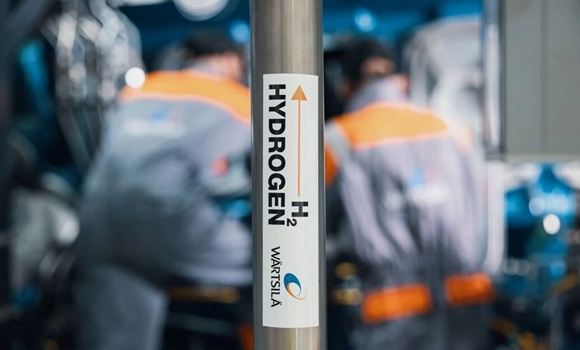
EOS, based in Krailling, Germany, has joined the MatH2 consortium, a recently launched collaboration of industrial leaders and research organisations working to advance hydrogen technologies. MatH2 was established by WISE (Wide and Intelligent Sustainable Energy), a programme led by Finnish technology group Wärtsilä, headquartered in Helsinki.
In addition to Wärtsilä and EOS, members of MatH2 include Neste, Nordic Tank, Teknos, SSAB, Bumax and SP Stainless, together with research partners VTT and the University of Oulu.
The project aims to strengthen collaboration between manufacturers, research organisations and technology providers, helping to translate research into industrial applications. EOS will contribute expertise in metal Additive Manufacturing, materials development and material characterisation.
Hydrogen is expected to play a significant role in reducing emissions across energy-intensive industries and power generation. However, hydrogen environments impose stringent requirements on metallic materials, making the development of suitable materials and manufacturing processes essential to wider adoption.
“Hydrogen will play an important role in the future energy landscape, but its successful adoption depends on solving complex material challenges. Additive Manufacturing is a key enabler in this process, creating new opportunities to develop, test, and optimise materials and components for hydrogen environments with greater speed and flexibility”, explained Paula Kainu, Industrial Manager Energy at EOS. “Through the MatH2 consortium, EOS is helping bridge the gap between research and industrial implementation by contributing expertise in metal AM, material characterisation, and application-driven development.”
Strategic importance for EOS
Hydrogen technologies represent a growing opportunity for advanced manufacturing and could support decarbonisation across a range of industrial sectors. According to EOS, participation in the MatH2 consortium aligns with its strategy of supporting sustainable industrial innovation through Additive Manufacturing.
In addition to supporting technology development, the project is expected to generate knowledge on material performance, manufacturing processes and application requirements that could benefit the wider hydrogen sector.