GranuDrum method formalised in ASTM D8648-25 standard
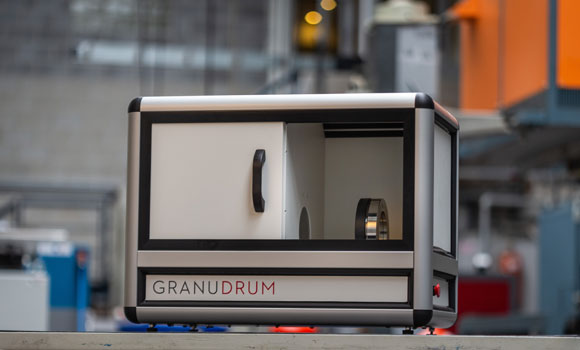
GranuTools, based in Awans, Belgium, has announced that its GranuDrum powder characterisation technology is now covered by a new ASTM standard: ASTM D8648-25 – Standard Test Method for Determining Flowability Using GranuDrum.

Standardisation plays a key role in powder characterisation, ensuring reproducibility, comparability between laboratories, and confidence in measured data. This is particularly important where powder flowability directly impacts manufacturing processes, including Powder Metallurgy and metal Additive Manufacturing.
ASTM D8648-25 defines a standardised methodology for measuring powder flowability using the GranuDrum, including test apparatus, procedures and data interpretation. This enables comparison of results across laboratories and organisations. The method is applicable to a range of industries, including pharmaceuticals, Additive Manufacturing, batteries, chemicals and food processing.
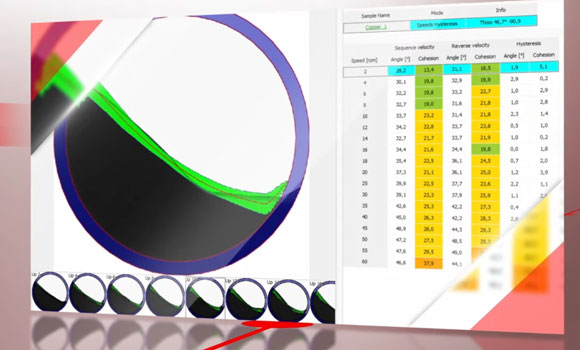
The standard applies to powders and bulk solids with a maximum particle size of 2 mm, typically in the 1–400 µm range. It defines the measurement of key flow-related parameters, including the dynamic angle of repose (flowing angle), cohesive index, first avalanche angle, and powder aeration. These parameters can be used to compare powders, assess the impact of formulation or processing changes, and support numerical simulations such as Discrete Element Method modelling.

The GranuDrum is an automated rotating drum method in which a powder sample is placed in a horizontal drum and rotated at controlled speeds. A camera captures the powder–air interface, and image analysis is used to determine the average surface profile and its fluctuations over time. This approach enables measurement of both flow angles and cohesion-related properties that are difficult to quantify using traditional static methods.
The standard notes that results depend on operator competence, instrument suitability and controlled environmental conditions. It also references ASTM Practice D3740, highlighting the importance of consistent procedures and qualified laboratories.