Eurobearings adopts Meltio DED for large-scale bearing repair

Meltio, headquartered in Linares, Spain, has shared that Eurobearings, based in Cortemaggiore, Italy, has integrated its Engine Robot Integration into its Italian production facility. This allows the company to utilise an advanced Directed Energy Deposition (DED) wire-laser metal Additive Manufacturing solution enabling the deposition of white metal, commonly known as babbitt, alongside various other metal alloys.
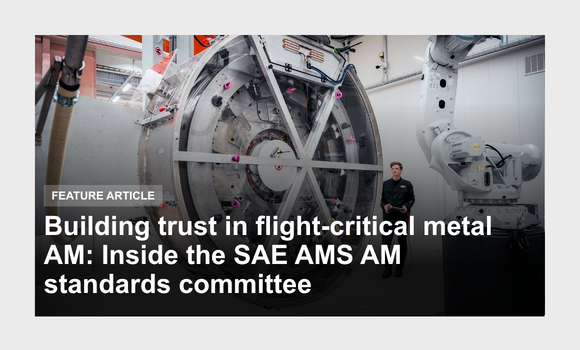
The engineering team designed a high-capacity robotic cell centred around a massive KUKA industrial robot. To combat conventional manufacturing volume limits, the company mounted the robot on a mobile walkway or gantry. This mobility grants the robot an expanded working envelope, allowing Eurobearings to strategically position the deposition head to accommodate a wide variety of part sizes and geometries. The company states that the setup removes traditional size constraints for manufacturing complex oversized industrial parts.
Eurobearings specialises in white metal sliding, thrust, and combined bearings. The size of these specialised bearings creates significant engineering bottlenecks. Historically, manufacturing these parts required casting or machining from solid metal blocks. This subtractive approach generated significant material waste, sometimes reaching up to 80 percent of the initial raw material. Furthermore, these traditional methods imposed severe limits on delivery times and material efficiency for heavy-duty parts.
Meltio claimed that adopting this wire-laser technology changed the economic structure of Eurobearings’ production floor.
Reducing material waste and repairing components instead of enforcing full replacements significantly lowers the environmental footprint of the company. The robotic cell delivers a stable industrial-grade process. This is intended to ensure that deposited layers meet strict quality standards while minimising the environmental impact of heavy industrial maintenance.