US Navy cuts Seawolf submarine valve replacement lead time with Additive Manufacturing
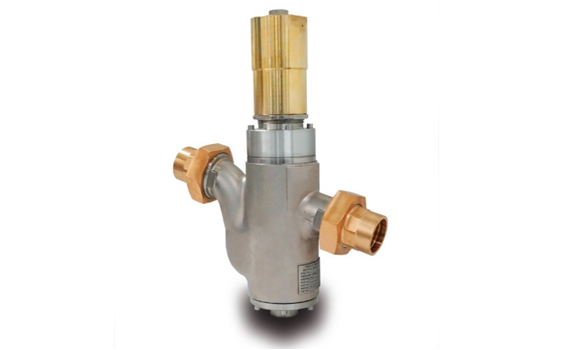
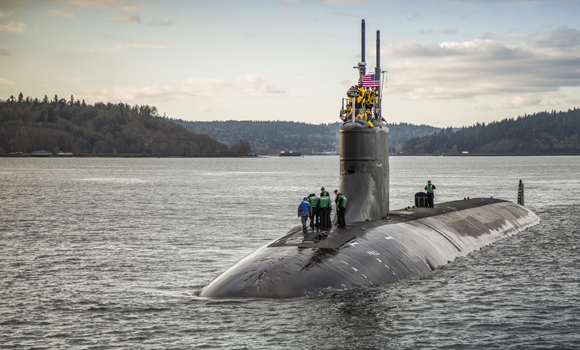
In a recent case study, the US Navy’s Submarine Industrial Base (SIB) Program Office reported on the installation of a replacement valve aboard a Seawolf-class submarine. The component incorporated an additively manufactured valve body, replacing the original part which had reached the end of its service life.
The required flushing-water pressure-reducing valve was not readily available as the original manufacturer had not produced a casting for the valve in more than a decade. Producing a new casting was projected to take sixteen months.

The Submarine Industrial Base Program Office Advanced Manufacturing team coordinated an alternative production route, developing an additively manufactured replacement valve body for integration into the existing valve manufacturing process.
“Additive Manufacturing gives us another way to return time to the submarine industrial base,” stated Capt Kevin Moller, programme manager for the SIB Program Office. “When a critical part carries a lead time measured in months, finding a way to produce it faster can shorten maintenance timelines and help return submarines to the fleet sooner. That is the outcome we are working toward across production and sustainment.”
Legacy submarine components can be difficult to replace when suppliers, tooling or production capacity are no longer available, making Additive Manufacturing an alternative to new tooling or castings.
The replacement valve body was based on the existing design rather than a redesigned component. Using legacy drawings, Penn United, an Additive Manufacturing service provider headquartered in Cabot, Pennsylvania, produced the copper-nickel valve body using Laser Beam Powder Bed Fusion (PBF-LB).
According to the Navy, the additively manufactured body closely matched the original casting and met its technical requirements for submarine use.
VACCO Industries, South El Monte, California, incorporated the valve body into its established manufacturing process, completing final machining, finishing, initial nondestructive testing and integration into the final valve assembly. The assembly then underwent further Navy testing before installation.
“VACCO’s involvement with the Navy and SIB in delivering a critical component to the fleet not only opened our eyes to the benefits of Additive Manufacturing, but it also helped us understand the changes we needed to make to our internal processes from part configuration to quality inspection, positioning us to take on more AM projects in the future and support Navy fleet sustainment,” stated Andrew Baldwin, director of business development for defence at VACCO.
Puget Sound Naval Shipyard and Intermediate Maintenance Facility carried out additional hydrostatic testing before installing the valve aboard the submarine and completing the required approval process.
The SIB Program Office stated that producing the valve body closer to its final shape reduced the machining and finishing required compared with a traditional casting. The office also reported that the Additive Manufacturing route avoided casting-related defects such as internal porosity and surface inclusions that can require additional finishing work.
Navy inspection, testing and approval requirements remained unchanged despite the change in manufacturing method.
According to the Navy, producing a replacement through the traditional casting process carried a projected lead time of sixteen months. The additively manufactured valve was delivered, certified and installed within nine months, after which the submarine returned to active duty. The Navy expects subsequent production to take less time now that the manufacturing data for the valve body has been developed.
“The successful installation of the Additive Manufacturing PL-30 valve on a Seawolf-class submarine is a testament to the power of public-private partnership,” said Cmdr Brian Pendleton, deputy for capability development, Commander, Submarine Development Squadron 5. “By collaborating with Penn United, VACCO, and Puget Sound Naval Shipyard, we have demonstrated that advanced manufacturing is no longer a future concept, it is a current, operational reality delivering critical parts directly to our hulls. This milestone directly enhances the readiness of our Seawolf-class fleet at a critical time.”
“We worked through the process with the original equipment manufacturer, from part configuration through inspection and assembly, so they now have experience using Additive Manufacturing within their own production process. That helps position them to apply additive manufacturing to future work and gives the Navy another capable supplier using the technology,” said Drazen Hadzialic, SIB Program Office Additive Manufacturing part production lead.