Sandvik adds Osprey GRCop-42 to AM powder portfolio

Sandvik AB, headquartered in Stockholm, Sweden, has introduced Osprey GRCop-42, a copper-chromium-niobium alloy originally developed by NASA for Additive Manufacturing components operating under extreme thermal and mechanical loads. The material is reported to retain its properties at elevated temperatures above 500°C.

Osprey GRCop-42 copper alloy combines high thermal conductivity with high strength and provides cradle-to-gate traceability, designed to reduce qualification risk in space component manufacturing.
“Osprey GRCop-42 has been developed for advanced space propulsion applications and is intended to withstand the demanding environments encountered in regeneratively cooled rocket engine components,” stated Luke Harris, Sales Director, Business Unit AM, Powder Solutions, Sandvik. “To achieve stable, repeatable powder production, this alloy places exceptionally high requirements on melting practice, impurity control and process discipline.”
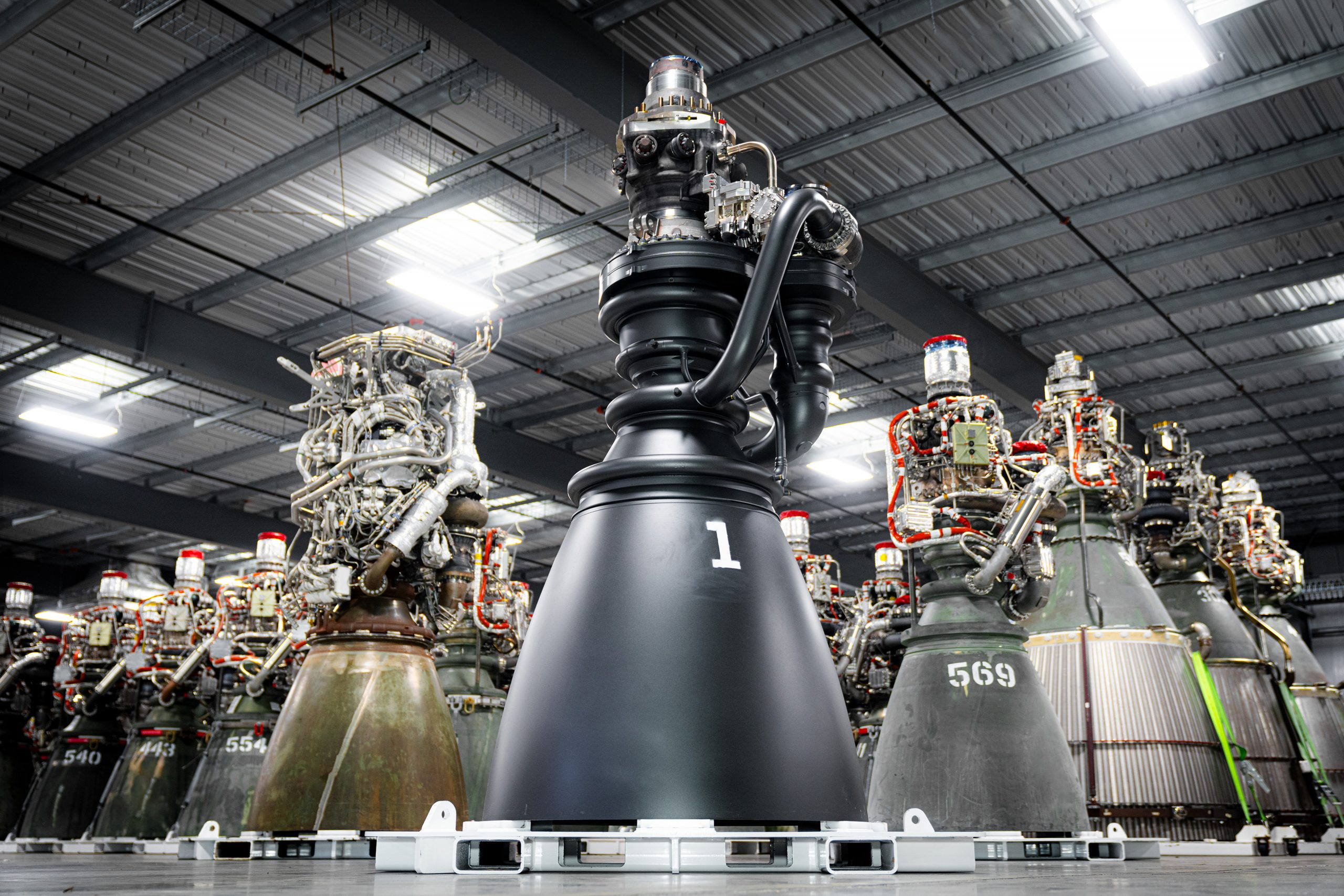
The alloy is intended for Additive Manufacturing of components such as fuel injector faces and combustion chamber liners, where efficient heat transfer, tight tolerances and predictable material behaviour are critical during qualification and production.
According to Sandvik, GRCop-42 is among the most challenging copper alloys to manufacture to specification. In addition to strict limits on individual alloying elements, the material requires tight control of the chromium-to-niobium ratio and very low impurity levels to achieve the thermal conductivity required in service. Differences in melting temperature between copper and niobium further increase production complexity.
Sandvik stated that, through metallurgical development and modifications to its Vacuum Inert Gas Atomisation (VIGA) process, it has established controlled and repeatable production of GRCop-42. The powder is atomised under inert gas in a highly automated production process designed to minimise oxidation, resulting in a metallurgically clean powder with consistent batch-to-batch characteristics.
The company reports that Osprey GRCop-42 is already being used in customer qualification and production programmes, where repeatable powder quality, predictable performance and complete documentation are required. Sandvik stated that this experience is providing feedback for further process control development and supporting supply for current and future space manufacturing applications.
“GRCop-42 is a material where production control is just as important as alloy design,” explained Szymon Kubal, Director of Technology, Business Unit AM, Powder Solutions, Sandvik. “Customers in the space sector need powder that performs predictably during qualification, printing and service. Our focus has been to make this demanding alloy available with the consistency, documentation and traceability required for space programmes.”
Osprey GRCop-42 is produced within Sandvik’s AS9100-certified quality system and is supported by full cradle-to-gate traceability. The company stated that all stages of production, from raw material sourcing and melting practice to atomisation parameters and powder testing, are documented to support qualification activities and audits.
According to Sandvik, the powder’s main characteristics are:
- Processability: Produced using the VIGA process, delivering spherical powder morphology with flowability and high packing density intended for Additive Manufacturing
- Chemical composition: Dispersion‑strengthened copper‑chromium‑niobium alloy with extremely tight control of alloying elements and impurity levels, supporting stable performance and high thermal conductivity
- Thermal performance: High thermal conductivity combined with strength retention at elevated temperatures (above 500°C), making the alloy suitable for high‑heat‑flux space applications
- Quality and traceability: Produced under an AS9100‑certified quality system with full cradle‑to‑gate traceability and audit‑ready documentation
Osprey GRCop-42 is reported to be available in volumes suitable for both qualification and serial production programmes.
Discover more about GRCop in: