Metalysis produces C-103 alloy powder to commercial specification
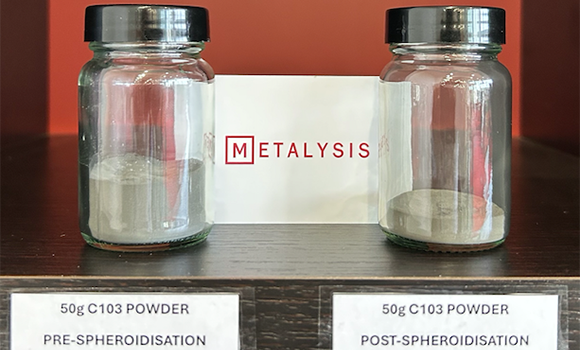
Metalysis, Rotherham, UK, has produced C-103 alloy powder, a niobium-hafnium-titanium alloy, to commercial specification for space, aerospace, defence and hypersonic applications.
The company said the development is intended to provide an alternative source of C-103 for Western customers seeking secure and consistent supplies of the refractory alloy for high-temperature and extreme-environment applications.
The C-103 market is estimated at $46 million and is forecast to reach $200 million by 2032. It currently accounts for about 2% of the wider niobium alloy market.
Applications for C-103 include:
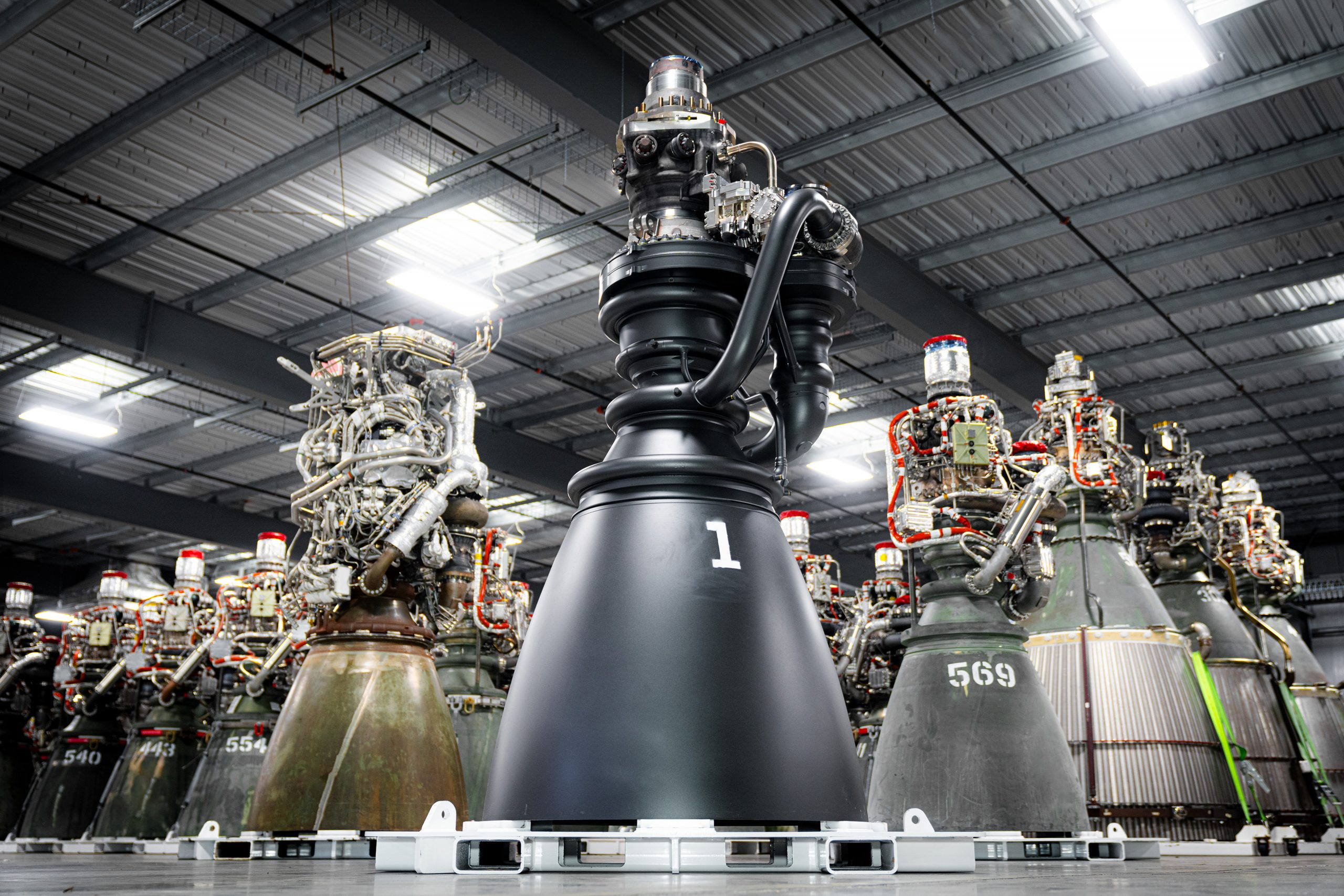
- Rocket engine nozzles, thrust chambers and combustion chambers
- Hypersonic engine components, thermal protection units, leading edges and control surfaces
- Aerospace turbine engines and high-temperature turbine vanes and blades
- Satellite propulsion components
Niobium has a melting point of 2,477°C, good corrosion resistance and a high strength-to-weight ratio. The supply of C-103 is vulnerable in part because of constraints in hafnium metal production, rather than in hafnium oxide production. Demand for other hafnium compounds has also increased, driven by the expansion of semiconductor chip manufacturing.
Demand for C-103 is also expected to increase following advances in Additive Manufacturing. AM allows complex C-103 structures and geometries to be produced with less material waste, addressing historical manufacturing challenges and reducing costs and lead times.
Metalysis uses its FFC electrolysis process to reduce metal oxides and carry out in-situ alloying within a solid-state process. Its Gen 1 to Gen 4 systems range from grammes of output per run to tens of tonnes a year, depending on reactor size. The company can now produce C-103 at up to Gen 4 scale, with each unit capable of producing tens of tonnes of output.
The process is described as ‘powder in, powder out’: controlling the size of the feedstock enables powders to be produced within a defined size range for Additive Manufacturing applications.
The resulting powder particles are naturally irregular in shape but can be spheroidised in-house by Metalysis to improve density and flowability while retaining the original size range. Oxygen levels in Metalysis’ C-103 powder are below 500 ppm. A full material specification is available on request.
Metalysis sources its hafnium oxide from a number of countries, including the US and Australia.
“Metalysis is adding C-103 niobium hafnium titanium alloy to its product suite, given our core focus on refractory alloys – combined with lightweighting expertise. C-103 was developed in the 1960s, but now we are seeing a huge surge in demand because of the renewed race for space – as well as advanced manufacturing sectors such as hypersonics/defence,” stated Nitesh Shah, CEO of Metalysis. “The Metalysis FFC process is able to produce C-103 alloy to the morphology required by AM partners, whilst reducing metal oxides rather than metal means we are not constrained by the availability of hafnium metal. Our engagement with customers in this sector has already been highly encouraging.”