Quadrus develops crack-free rhenium PBF-LB process

Quadrus Corporation’s Advanced Manufacturing Division (QAMD), based in Huntsville, Alabama, USA, has announced the development of a Laser Beam Powder Bed Fusion (PBF-LB) Additive Manufacturing process for dense, microcrack-free elemental rhenium.

Rhenium is reported to be a challenge in Additive Manufacturing; while it offers high-temperature strength, stiffness and melting point, it is also incredibly brittle and prone to developing microcracks during processing.
For most of the programme, QAMD’s additively manufactured rhenium also exhibited extensive cracking. To identify and thus mitigate the causes, the team used systematic experimentation, analysis and redefinition of process parameters. This allowed QAMD to develop a PBF-LB Additive Manufacturing process for fully dense and microcrack-free rhenium without preheating the build plate, which the team called a first for refractory AM.
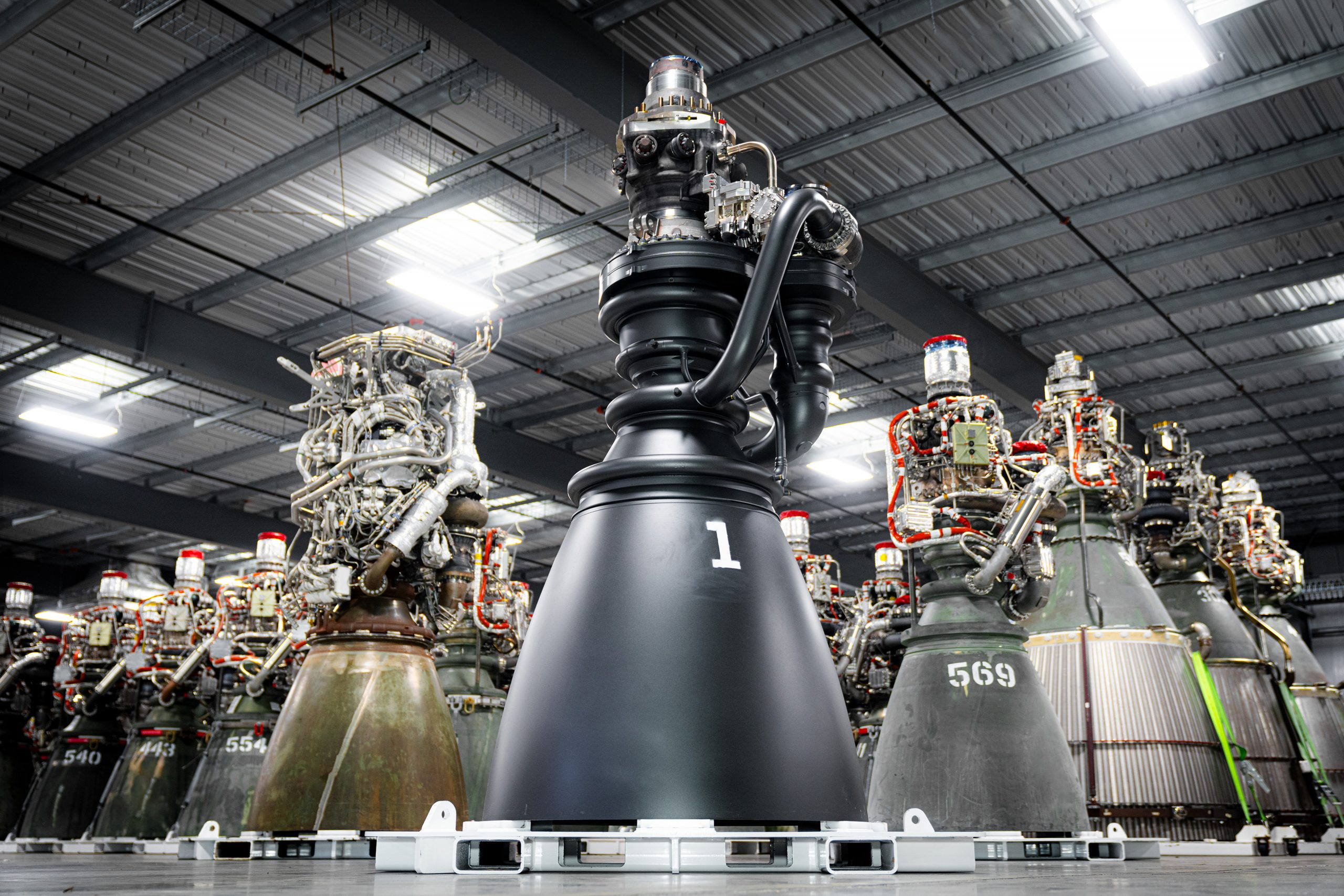
QAMD expects that this development will have broader implications in the manufacturing of propulsion systems. Because the material no longer requires post-build heat treatment to heal cracks, the company can optimise heat treatment to engineer the desired microstructure, avoiding the massive grain growth that typically degrades tensile properties.
Preliminary tensile testing in the as-built condition (z-direction) has shown yield strength exceeding 80 ksi, ultimate strength above 130 ksi, and elongation greater than 20%. According to the company, the next steps include fine-tuning heat treatment and conducting comprehensive mechanical testing at elevated temperatures.
“This capability changes the game for propulsion system suppliers,” stated Dr Joe Sims, Director of Advanced Manufacturing at Quadrus Corporation. “Elemental rhenium’s extreme temperature capability has always been limited by manufacturing constraints. Now, with fully dense, crack-free [PBF-LB] rhenium, we can produce complex, high-performance structures that were once thought impossible, accelerating innovation for both solid and liquid rocket propulsion.”
This Direct-to-Phase II effort was funded by the Defense Advanced Research Projects Agency (DARPA) and administered by the US Army, with support from a Small Business Innovation Research (SBIR) contract.