NASA’s GRX-810 Additive Manufacturing alloy wins Commercial Invention of the Year
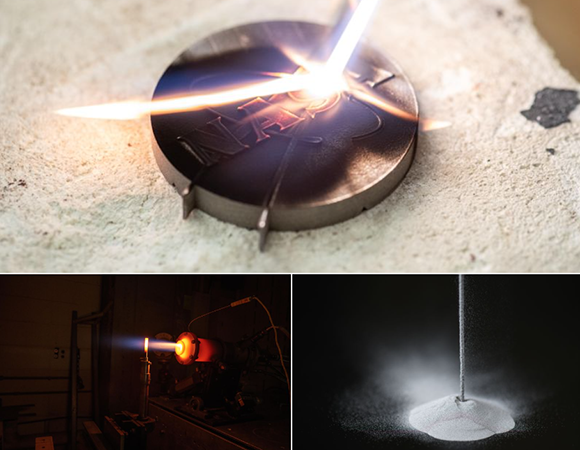
NASA Glenn’s GRX-810 alloy has been named Commercial Invention of the Year by NASA’s Inventions and Contributions Board (ICB). The alloy has been adopted by both NASA and commercial users for additively manufactured parts required to withstand extreme conditions.
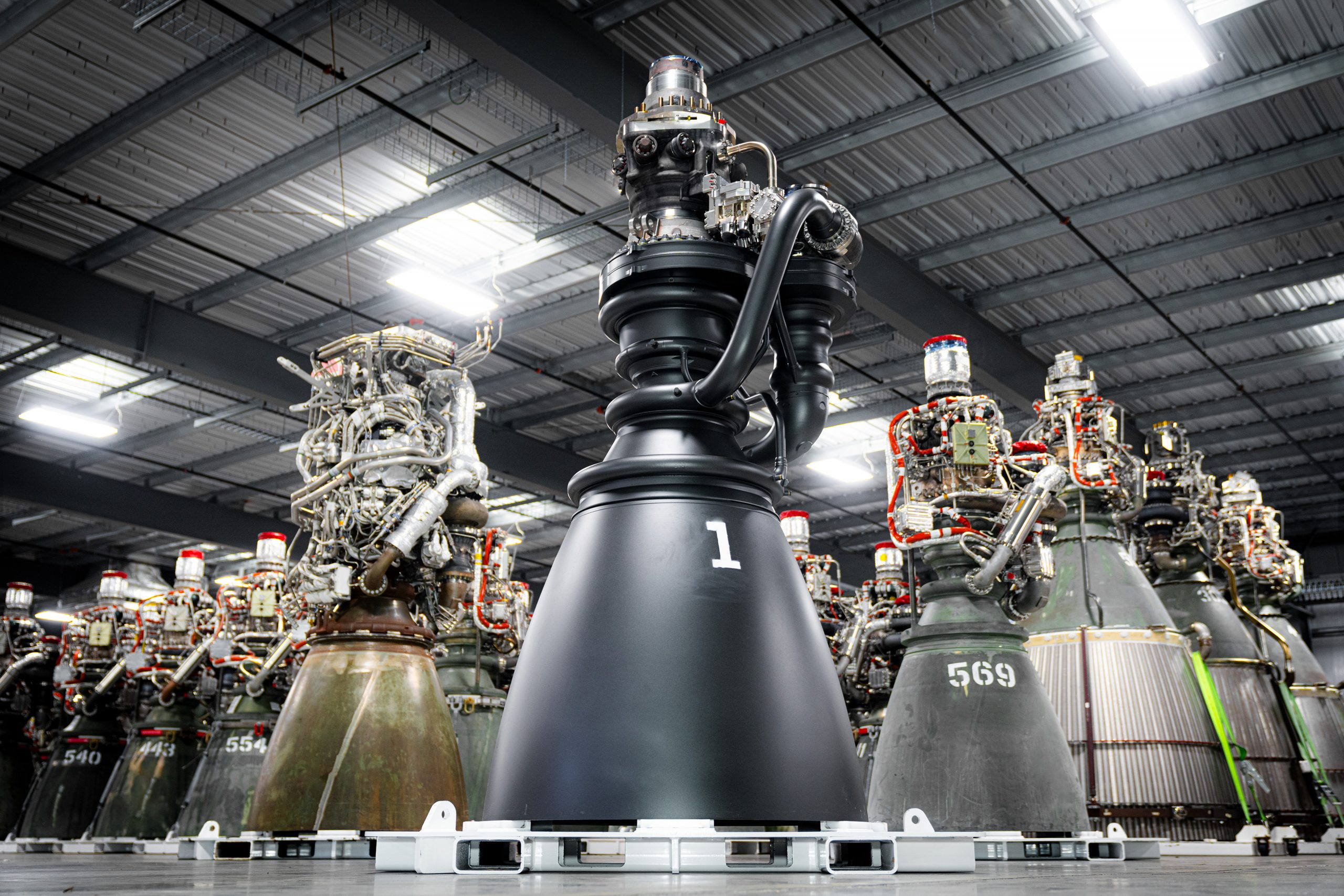
GRX-810 is an oxide-dispersion-strengthened alloy, meaning that oxygen atoms are dispersed throughout to enhance the material’s strength. This type of alloy is particularly suited for use in aerospace parts that will undergo high temperatures (e.g. those within aircraft and rocket engines), because the material can withstand harsher conditions before reaching a breaking point.
Currently, most additively manufactured superalloys favoured for heat resistance can withstand temperatures up to 1,093ºC. According to NASA, GRX-810 is twice as strong, over 1,000,000× more durable, and twice as resistant to oxidation.
In May 2024, NASA licensed GRX-810 to four North American companies, with the goal of bolstering the US economy and providing a return on investment for publicly funded research.
The co-exclusive license agreements allowed the companies to produce and market GRX-810 to aircraft and rocket equipment manufacturers, as well as the entire supply chain. The licensees announced in 2024 were:
- Carpenter Technology Corporation, Reading, Pennsylvania
- Elementum 3D, Inc, Erie, Colorado
- Linde Advanced Material Technologies, Inc, Indianapolis, Indiana
- Powder Alloy Corporation, Loveland, Ohio
“Adoption of this alloy will lead to more sustainable aviation and space exploration,” stated Dale Hopkins, deputy project manager of NASA’s Transformational Tools and Technologies project, at the time of the license announcement. “This is because jet engine and rocket components made from GRX-810 will lower operating costs by lasting longer and improving overall fuel efficiency.”