Innospace adopts Eplus3D metal AM for HANBIT rocket component production
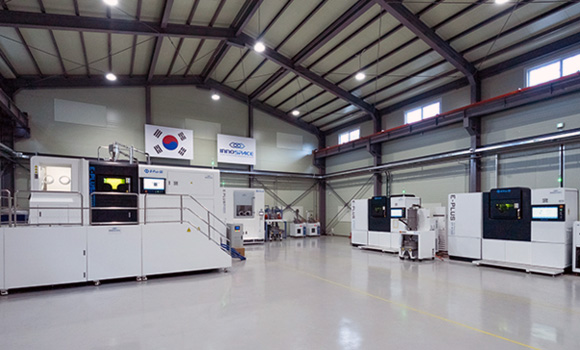
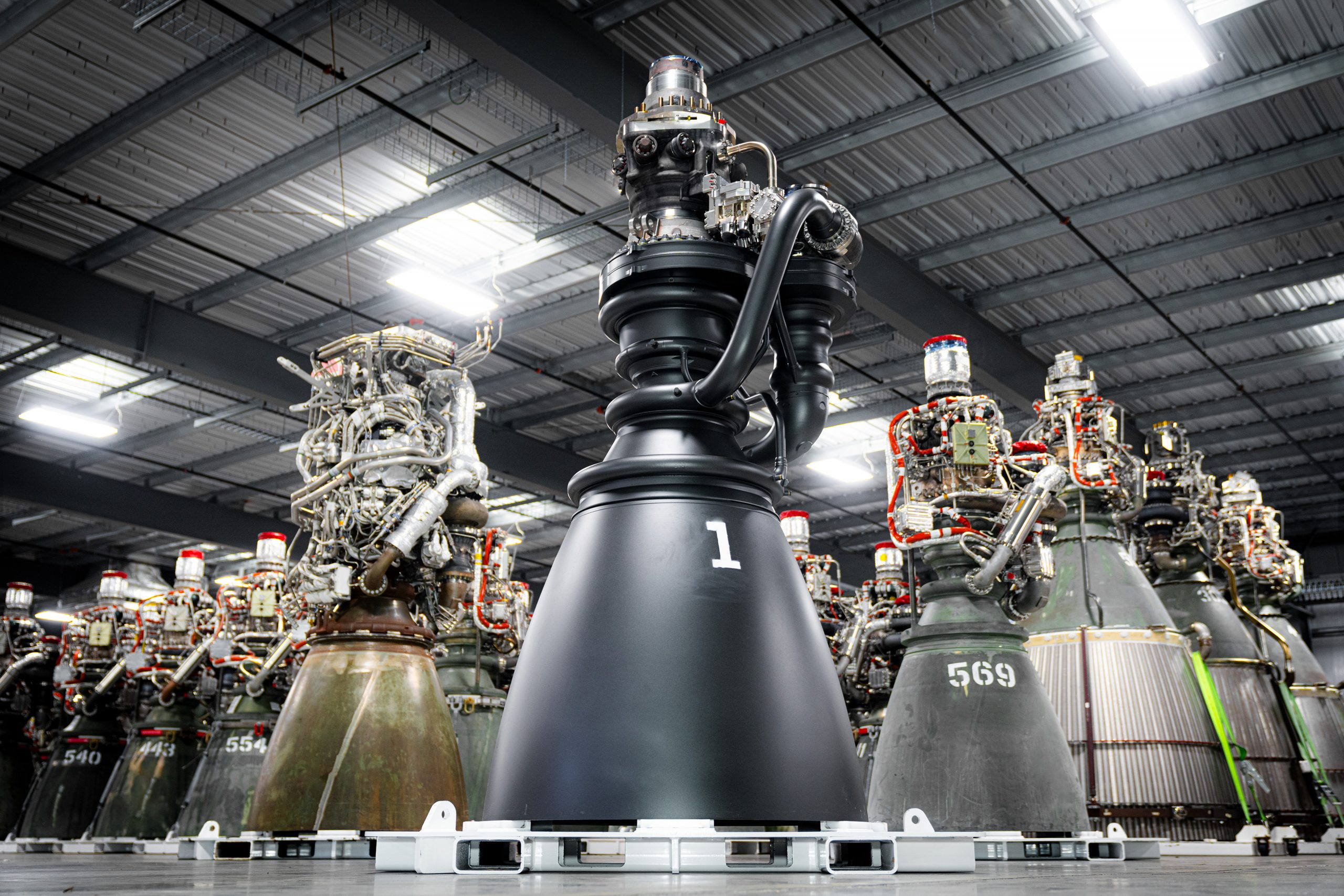
Innospace, a satellite launch company and leading manufacturer of hybrid rocket systems, based in Sejong City, South Korea, has adopted metal Additive Manufacturing to transform the production of its launch vehicle components. The company has established an advanced in-house manufacturing facility equipped with Laser Beam Powder Bed Fusion (PBF-LB) Additive Manufacturing machines from China’s Eplus3D.
This move is said to mark a key step toward serial production, with thirteen core components for the company’s HANBIT rocket already produced.
Innospace conforms to ISO/ASTM 52941-20, the international standard specifying acceptance criteria for metal Additive Manufacturing equipment used in aerospace, enhancing efficiency, reducing costs, and advancing toward scalable, high-reliability launch services. In February 2025, the company successfully obtained AS9100 Aerospace Quality Management Certification from BSI, strengthening its commitment to aerospace-grade quality standards.
“By applying 3D printing technology, we expect to achieve part lightweighting that reduces rocket mass and increases payload capacity, allowing customers to transport more satellites at a lower cost. This will positively impact future revenue generation,” stated Soojong Kim, founder and CEO of Innospace.
Enabling manufacturing from large structures to precision parts
Innospace has added three metal AM machines from Eplus3D, one large-format EP-M450 and two medium-sized EP-M300 machines.
The EP-M450 enables integrated manufacturing of large structural components, making it particularly suited for the overall production of rocket parts. By minimising multi-part assembly and welding, it enhances structural strength and production efficiency.
The EP-M300 machines also offer precision manufacturing of smaller, complex components, supporting a versatile production setup. All machines support a variety of aerospace-grade metal materials, meeting the rigorous requirements for lightweighting, high-temperature resistance, and dimensional accuracy in aerospace manufacturing.
Accelerating rocket component output and reducing costs
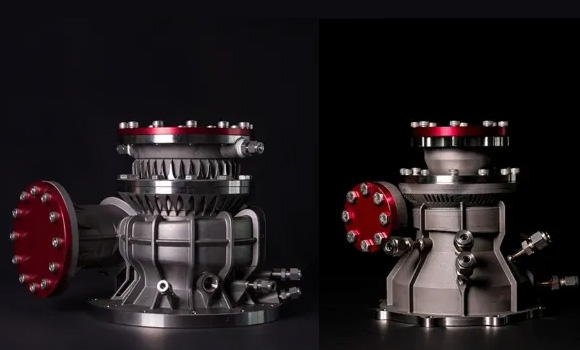
The successful development of key components for the HANBIT launch vehicle, including critical first- and second-stage oxidiser pumps and their high-precision rotating parts, reduces production costs by up to 50%. Compared to traditional manufacturing methods, this approach also improves process reliability, product consistency, and shortens production lead times.
Looking forward
The company is expanding its global launch network, with key partnerships including Brazil’s Alcântara Space Centre, where it successfully validated its 15-ton-thrust hybrid rocket engine through the test launch of HANBIT-TLV. To further strengthen its global capabilities, Innospace has also partnered with Equatorial Launch Australia (ELA).
Innospace has also outlined three key objectives to achieve by the end of the year: stabilising serial production of launch vehicle engines and core components through AM technology, establishing a data-driven quality management system, and continuously optimising manufacturing costs while shortening delivery lead times.
Eplus3D stated that it intends to continue its technical support, as both companies work together to elevate the aerospace sector through the use of Additive Manufacturing.