Freemelt supports Loughborough’s PBF-EB materials research

The UK’s Loughborough University is advancing its research into Electron Beam Powder Bed Fusion (PBF-EB). Using Freemelt’s open architecture, the team led by Professor Moataz Attallah has full control over process parameters, enabling rapid experimentation with both commercial and proprietary alloys.

Professor Moataz Attallah has over fifteen years of experience in laser-based metal Additive Manufacturing. His research has identified both the advantages and limitations of laser processing, particularly for challenging materials such as copper, tungsten, tantalum, molybdenum and niobium. PBF-EB manufacturing, however, operates under vacuum conditions, making it suitable for oxygen-sensitive and highly reflective materials used in energy, aerospace and defence applications.
The combination of open-architecture Additive Manufacturing with artificial intelligence and machine learning approaches for process optimisation and alloy development may support faster parameter development, broader material qualification and improved process robustness.

“Electron beam technology succeeds where other Additive Manufacturing techniques have struggled,” stated Professor Attallah. “The Freemelt system is open, flexible and accessible for research. It allows investigation of process parameters, development of new alloys and exploration of processing routes not possible on closed platforms.”
The University’s Freemelt machine is already contributing to high-impact research projects, including:
- A UK-Japan collaborative project led by the University of Birmingham focused on Additive Manufacturing of refractory alloys and oxygen uptake
- Development of advanced tungsten structures in partnership with Tokamak Energy and Metamorphic
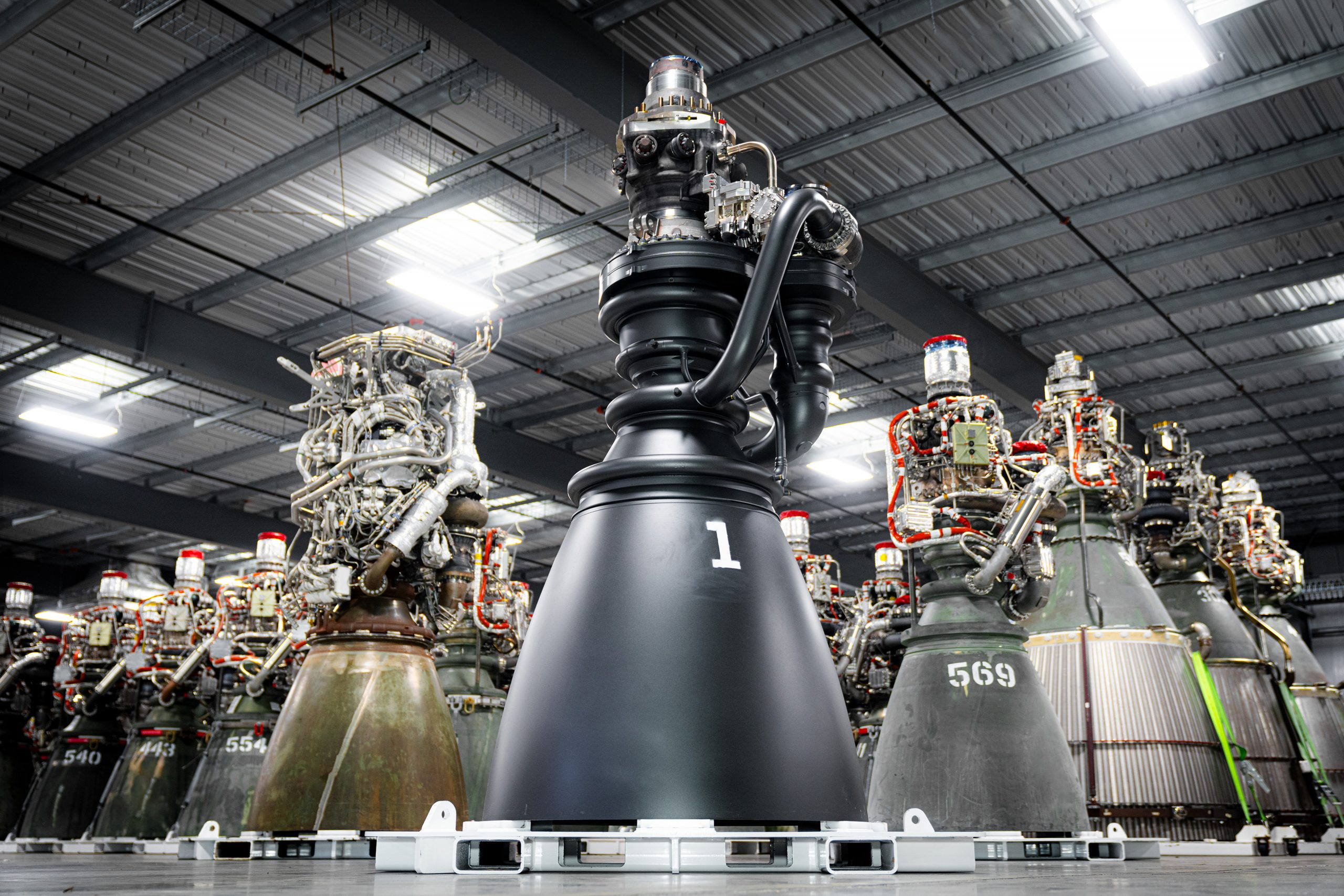
- Exploration of niobium-based alloys for spacecraft propulsion
Professor Attallah explained, “If we want to build nuclear fusion reactors or next-generation spacecraft, we need sustainable manufacturing methods for critical materials. EBM not only enables this but also offers the scalability and efficiency to make it viable.”