ESA project develops Tanbium alloy for AM rocket engine parts
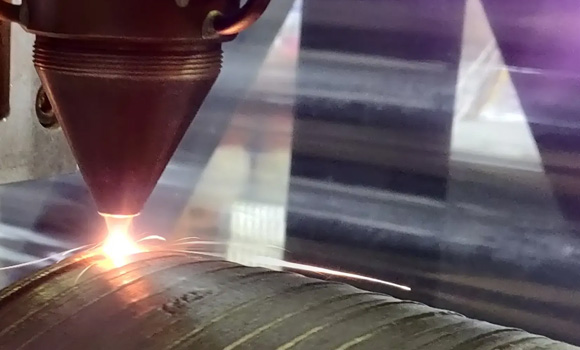
Skyrora, headquartered in Cumbernauld, UK, has announced its participation as a prime contractor in the European Space Agency’s (ESA) General Support Technology Programme (GSTP). The project will focus on the Additive Manufacturing of Tanbium, a novel high-temperature tantalum-niobium alloy. Developed in collaboration with metal powder producer Metalysis, based in Rotherham, UK, and Thermo-Calc Solutions, located in Solna, Sweden, GSTP aims to validate the alloy’s production and performance for use in rocket engine components and other extreme-environment applications.
“This project reinforces Skyrora’s commitment to sovereign launch capability and materials innovation,” stated Derek Harris, Director of Business Development and Communications at Skyrora. “The UK and Europe are currently heavily dependent on the US for C103 alloy, which is used across aerospace propulsion. Tanbium will enable full domestic sourcing with the powder produced by Metalysis, and components printed and tested by Skyrora, which will be simulated by Thermo-Calc to optimise material behaviour before physical testing. As a European launch vehicle manufacturer, not only will Tanbium align with our long-term vision for sustainable, high-performance space hardware, but it will also contribute to the ESA’s Net Zero Space ambitions.”
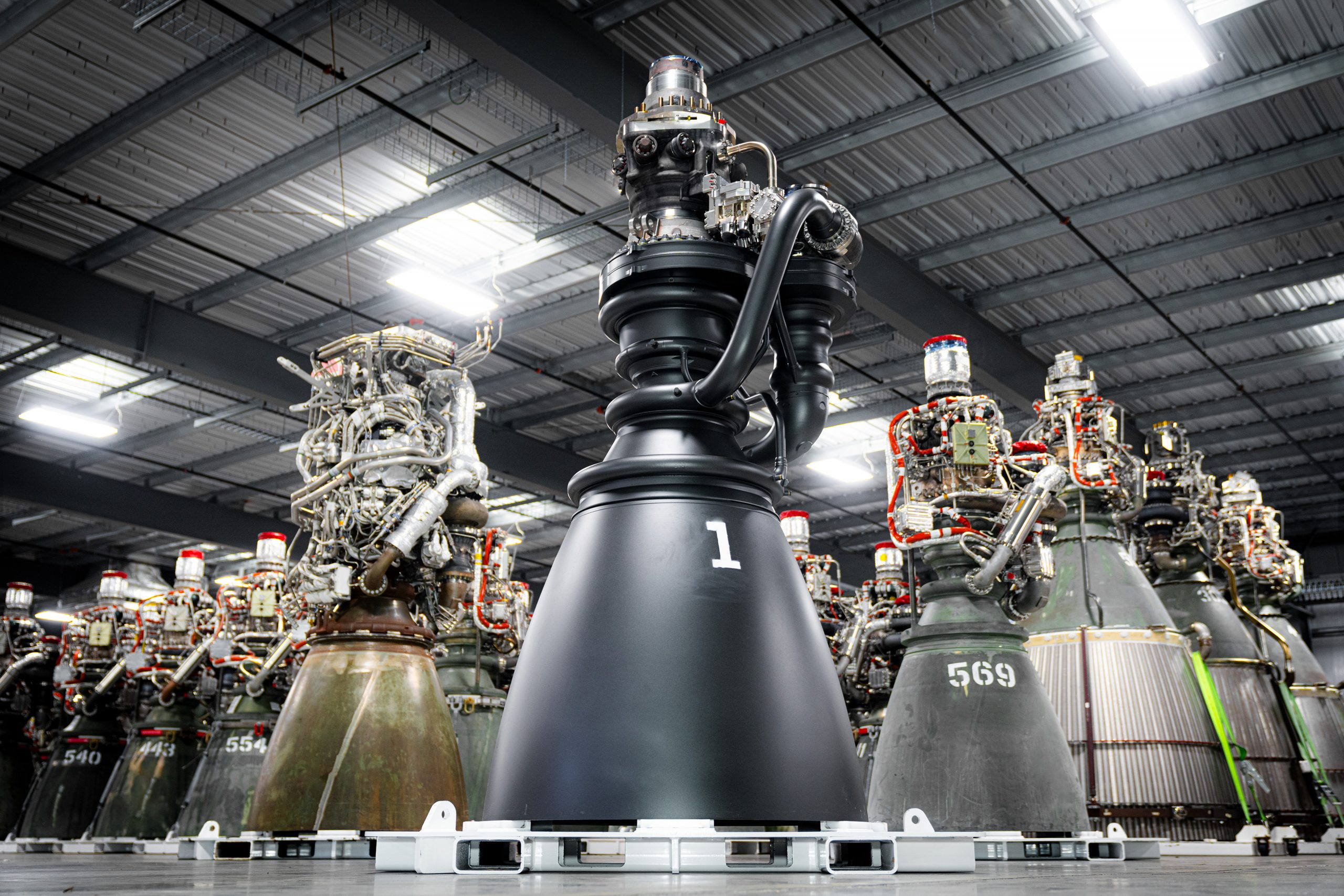
Developed to overcome the challenges faced by existing aerospace alloys, Tanbium offers higher burn time and temperature capability, up to an estimated 30% in weight savings in engine components, up to 95% less material waste through Additive Manufacturing, and the potential for a 40% reduction in total component cost.
GSTP is said to represent a first Direct Energy Deposition (DED) Additive Manufacturing application, targeting rocket engine components, specifically nozzles and combustion chambers. The production of Tanbium is intended to reduce reliance on US imports of alloys, helping to localise a key material for the UK and European industrial sector.
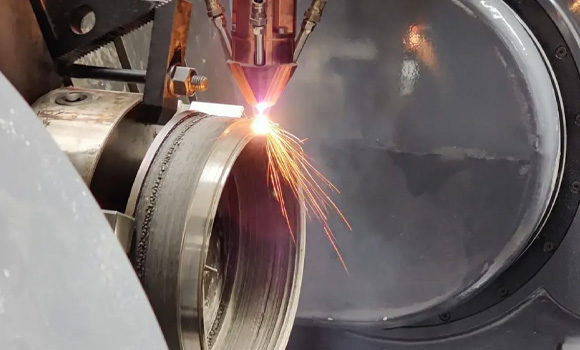
The nine-month ESA-funded project, which begins in Q4 2025, will include Additive Manufacturing trials, material validation, mechanical testing, and a business case analysis. It marks a strategic move in advancing propulsion manufacturing and will support vertical integration. Skyrora will lead integration using its proprietary Skyprint 1 and 2 DED Additive Manufacturing machines.
“Metalysis is very excited to be participating in this ESA funded project – utilising our alloy and high-entropy alloy experience to produce the new alloy Tanbium, which is predicted to significantly enhance space component lifetimes,” stated Nitesh Shah, CEO of Metalysis. “Skyrora came to us as the advanced materials partner because only our solid-state process can produce such a vast range of novel alloys. We look forward to successfully completing stage 1 of this project and moving to stages 2 and 3, and so making a real impact within the space propulsion market”.
Ida Berglund, Managing Director of Thermo-Calc Solutions, added, “Tanbium represents a major advancement in high-temperature alloy technology for space propulsion. Developed through an ICME-led design approach, Tanbium delivers performance and manufacturability gains that were previously out of reach – offering extended burn life, higher operating temperatures, and significant weight and cost reductions. Its validation in rocket engine components marks a key milestone, demonstrating both the maturity of ICME and the potential to secure a high-performance materials supply chain for Europe. We’re proud to see this breakthrough tested by such an experienced and forward-thinking partner alongside expert powder producers—an ideal team to showcase what Tanbium can achieve in rocket propulsion systems.”
Simon Hyde, Technical Officer at ESA, concluded, “Ultra-High Temperature capable materials for rocket motor applications are a key item in the ESA work plans. This project addresses the challenge in an outstanding way: It combines bespoke alloy design with a unique production approach. These technologies are perfectly wedded to direct energy deposition Additive Manufacturing. Using this Tanbium alloy, the consortium are addressing a critical challenge for ultra-high temperature applications in Europe. They are opening a potentially rich seam for space applications and providing Europe with a resilient supply chain.”