Retech expands US toll services for melting, atomising and casting
Retech, a US-based division of the Seco/Warwick Group, headquartered in Swiebodzin, Poland, is expanding its toll melting, atomising, and casting services to meet increasing demand across industries such as aerospace, medical, defence and semiconductors.
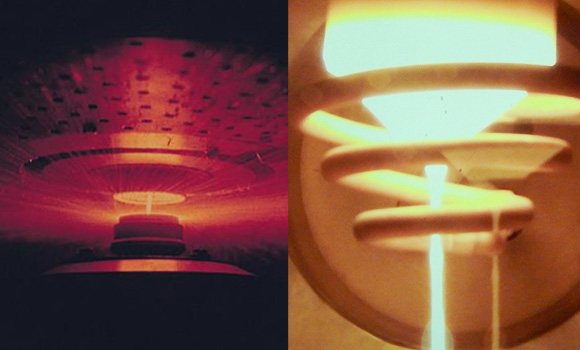
Retech maintains a suite of operational equipment at its Buffalo, New York, facilities. These in-house machines are now available on a tolling basis, providing partners with more timely access to high-performance metallurgical processing without the wait or capital commitment of acquiring their own equipment.
Historically, Retech has used this in-house equipment for internal R&D, customer pilot trials, and process demonstrations.
Earl Good, Managing Director and President of Retech, stated, “When our equipment isn’t in use for internal projects, that capacity becomes a strategic resource. We’re making it available to companies that need a flexible, low-risk way to validate a new process, ramp up alloy production, stay ahead of long equipment lead times, or just supplement their own production capacity.”
By tolling, customers can maintain project momentum, meet early customer demand, secure a faster path to market, supplement capacity, or develop and produce highly specialised alloys.
Retech’s tolling capabilities cover a range of controlled atmosphere melting, powder production, and casting technologies to deliver ultra-pure reactive and refractory alloys in ingot or powder forms.
One of Retech’s distinguishing advantages is that all equipment is built and operated at its facilities in Buffalo. This localised footprint simplifies logistics and improves reliability for customers in the US and beyond.
“Having our engineering, manufacturing, and toll processing under one roof ensures tighter process control and easier communication. Customers also benefit from access to familiar, readily available support resources, things that can be harder to manage with offshore or less integrated providers,” Good explained.
The result is faster lead times, better alignment between development and production, and improved uptime due to component accessibility and serviceability.
“Our toll capabilities allow customers to move quickly, efficiently, and with confidence,” said Good. “It’s not just about melting metal; it’s about moving ideas into production.”