ULT highlights nano-coated filter technology for metal AM gas purification
At Formnext 2025, ULT, headquartered in Löbau, Germany, presented examples from its existing portfolio and new solutions for process air filtration in Additive Manufacturing.
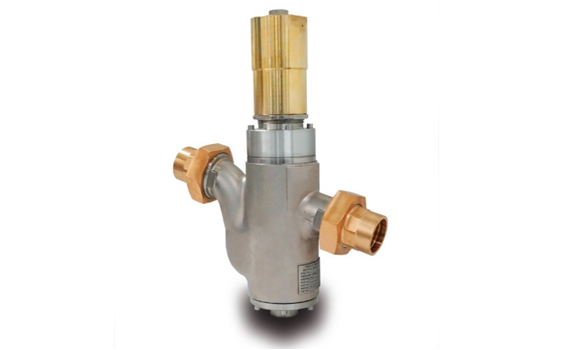
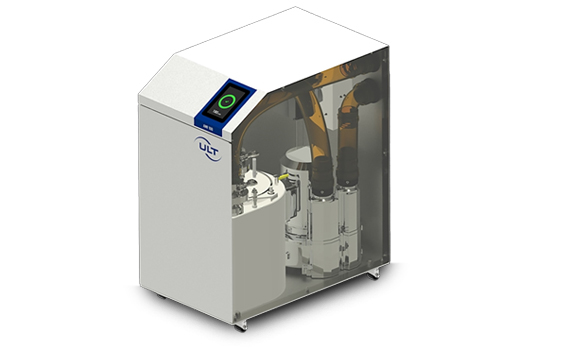
In particular, the company highlighted its novel filter barrel technology, which was developed for process gas filtration in metal Laser Beam Powder Bed Fusion (PBF-LB) Additive Manufacturing. The ULT AMF device series covers an air volume range from 100 m³/h to >1,000 m³/h.
The scalable AMF machines include filter barrels in various sizes and are designed to offer a filter service life of up to 10,000 laser hours due to the nano-coated permanent filters used. The machine enables contamination-free removal of dust residues and filter changes, allowing operators to avoid coming into contact with particles or condensate. A dedicated mechanism allows the tested, gas-tight filter drums to be changed in a few minutes.
ULT stated that its machines’ low operating costs, simple handling, and ease of service are other advantages of its gas purification solutions. Thanks to the use of a secondary (’police’) filter, they offer a high level of safety, as well as optional sensors and modules such as pre-separators for coarse particles.
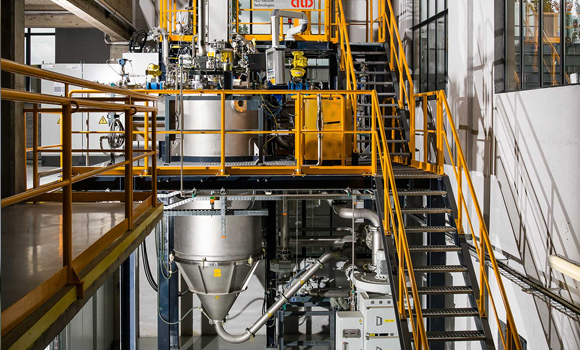
In addition to sustainable filtration solutions for the PBF-LB Additive Manufacturing process, ULT presented extraction and filtration machines for process preparation and powder handling, as well as for post-processing.
ULT has also been actively involved in the research and development of metal Additive Manufacturing for over twenty years. The company is part of various professional networks and research partners for colleges, universities, and corporate clusters.
In addition to air pollution control issues – which are a concern for all Additive Manufacturing processes in terms of occupational safety, process reliability, and product quality – users can reduce operating and maintenance costs through the machines’ designs.