Stärke-AMG and Flinders University lead $2.7 million metal AM qualification project
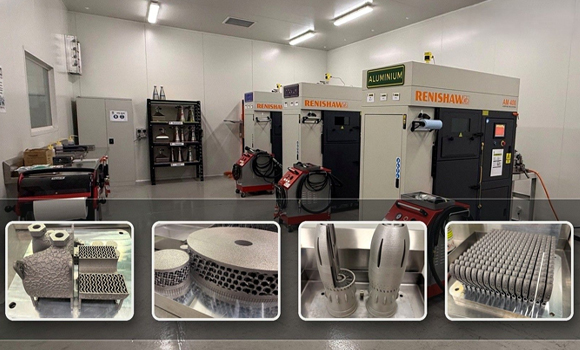
Stärke-AMG and Flinders University, both based in Adelaide, Australia, are leading a four-year, $2.7 million industry-led project to develop the processes, data and frameworks required to produce qualified metal Additive Manufacturing components in Australia. Adelaide University and Metal Powder Works, headquartered in Pittsburgh, Pennsylvania, USA, will contribute expertise in materials development, powder characterisation and process optimisation.
The project will focus on manufacturing requirements for critical metal components for defence, maritime and medical applications.
Using three Renishaw AM400 Laser Beam Powder Bed Fusion (PBF-LB) machines, the consortium aims to establish manufacturing and qualification methods for a range of alloys used in defence, shipbuilding and medical technologies.

The partners intend to address the challenges of moving from prototype development to repeatable, qualified production. For Stärke-AMG, it also represents a step towards becoming a qualified manufacturing supplier for defence, maritime, space and healthcare markets.
Stärke-AMG CEO Al Jawhari said the project would help develop the technical evidence and quality systems required by regulated industries.
“The opportunity is not in printing parts, it’s in qualified production,” Jawhari stated. “Defence and medical customers need suppliers that can deliver repeatable components with complete traceability and quality assurance.”
Flinders University will lead the materials research, developing qualification methodologies and performance datasets to support the validation of advanced alloys for defence and medical applications.
Professor Maziar Ramezani, Flinders University’s research lead, said further work was needed to support the transition from Additive Manufacturing research to production.

“Australia has developed significant expertise in Additive Manufacturing, but greater understanding of process reliability, material performance and qualification requirements is needed to support widespread industrial adoption,” he said.
Additive Manufacturing Cooperative Research Centre (AMCRC) Managing Director Simon Marriott highlighted the importance of establishing local qualification capabilities.
“Australia cannot build sovereign manufacturing capability without the ability to qualify and produce critical components locally,” Marriott explained.
By the end of the project, the consortium aims to deliver qualified manufacturing workflows, certification-ready datasets and production demonstrators, supporting the development of local manufacturing capacity and reducing reliance on imported components.