RAF fits first in-house additively manufactured component to Typhoon fighter jet
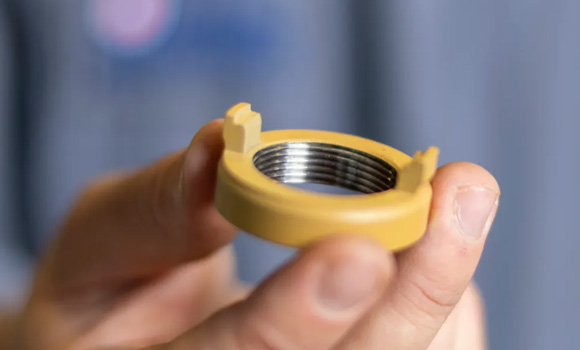
The UK’s Royal Air Force has fitted its first in-house additively manufactured component to an operational Typhoon fighter jet, marking a significant step towards faster aircraft repairs and reduced downtime. The milestone was achieved at RAF Coningsby, where engineers successfully installed a temporary replacement part for the pylon assembly that connects weapons systems to the aircraft’s wing.
The repair was manufactured at the Hilda B Hewitt Centre for Innovation, by specialists from No 71 Inspection & Repair Squadron and then installed by 29 Sqn engineers. The centre, which is equipped with Additive Manufacturing and scanning equipment, marks the RAF’s adoption of advanced manufacturing technologies.

“This isn’t intended as a permanent fix, but it shows where we’re heading,” stated Squadron Leader John Mercer, Senior Engineering Officer at No 29 Squadron. “When aircraft are grounded waiting for spare parts, we can’t afford delays. Being able to print our own temporary components means getting jets back in the air faster.”
The process proved efficient. Engineers precision-scanned the damaged component and shared the data with both the original manufacturer and 71 Squadron. While the manufacturer developed a permanent replacement, 71 Squadron designed and manufactured an intermediate solution.
71 (IR) Squadron is part of the RAF Support Force. Its principal roles are to repair damaged structures on UK fixed-wing military aircraft and provide specialist inspection capabilities to RAF aircraft wherever they are deployed. The Squadron also has its own designers, who devise repair solutions in circumstances where conventional fixes may not be effective or available.
Wing Commander Gemma Lonsdale, Officer Commanding Air Wing Engineering at RAF Coningsby, said, “This technology offers enormous potential to maintain our aircraft faster than ever before. The 71 Squadron team has been exceptional – their expertise and collaboration made this milestone possible.”
This opens the door to wider applications across the RAF fleet, potentially reducing maintenance costs and improving aircraft availability for operations.
www.raf.mod.uk