Pratt & Whitney accelerates XA103 adaptive propulsion engine with digital processes
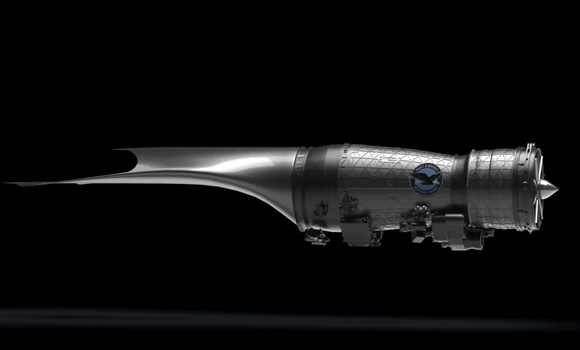
Pratt & Whitney, an RTX business, headquartered in East Hartford, Connecticut, USA, is accelerating the development of its XA103 engine for the US Air Force’s Next Generation Adaptive Propulsion (NGAP) programme with the use of digital data packages.

By setting stringent digital requirements for their supply base and internal teams and distributing advanced digital design models, Pratt & Whitney is shortening development times, reducing costs and increasing design efficiency. These comprehensive packages reportedly enable rapid design iteration, easier integration with supplier systems, improved resource forecasting for manufacturing, and accelerated digital model testing and validation.
“We are paving the way with digital on NGAP, so much so that the rate at which we are delivering XA103 technical data packages has doubled,” said Jill Albertelli, president of Pratt & Whitney’s Military Engines business. “Model-based design ties all the puzzle pieces together, fostering constant collaboration, and we are applying these learnings across our engine portfolio.”

In addition to RTX investment and work completed under government contracts, Pratt & Whitney has self-invested more than $30 million this year to further develop its model-based environment, which significantly improves the accuracy of propulsion design, including XA103. The company states that XA103’s adaptive technology will be delivered at the speed of relevance, driving quality work faster across the value stream, including more than 1,000 engineers and support staff, the customer, and over 100 domestic suppliers.
Pratt & Whitney’s NGAP team is working toward the programme’s next major milestone, the Assembly Readiness Review, which will validate the timeline for the prototype’s build and test. The XA103 engine is expected to be tested in the late 2020s.