Hanwha brings metal Additive Manufacturing to US shipyard to boost production
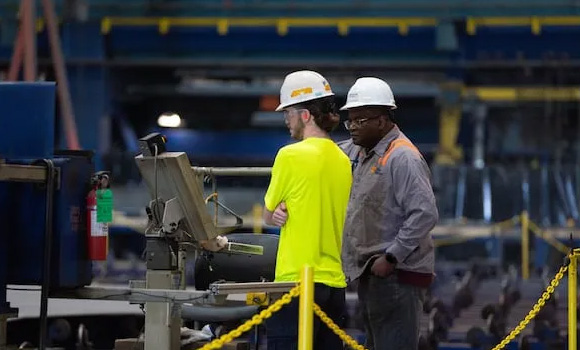
Hanwha Ocean and Hanwha Systems, both based in Seoul, South Korea, are introducing Additive Manufacturing technology to the US Philly Shipyard that they acquired last year. Through the Philly Shipyard, Hanwha is targeting the cargo carrier, Liquefied Natural Gas (LNG) carrier, and new warship markets.
Since Hanwha acquired the Philly Shipyard, it has reportedly been introducing metal Additive Manufacturing technology. Traditionally, shipyards source components from partner companies, but Hanwha plans to produce some parts in-house to shorten construction times.
The domestic shipbuilding industry has shortened the construction period by using AM technology to manufacture pre-chambers and engine parts that were previously entirely dependent on imports. Bellmouths and various pipes designed to prevent damage to ships can also be produced via AM.

Philly Shipyard is training workers in AM design, machine operation and digital production methods. In addition, it is working to strengthen its shipbuilding capabilities by digitising parts information, introducing a central control method using a satellite positioning system, and introducing training facilities using augmented reality technology.
Hanwha Ocean is moving forward with its plan to strengthen the construction capacity of its Philly Shipyard and build and supply cargo carriers and high-value-added ships in the US. The company is focusing on LNG carriers in particular and it estimates that the US will require eleven LNG carriers by 2028. At an average cost of $255 million (approximately ₩352.5 billion) per vessel, this represents a market worth ₩3.8 trillion.
Hanwha plans to open the warship construction market through the shipyard, where AM is expected to play an important role thanks to government contracts, where delays pose significant disadvantages, and there is a demand for special parts.
www.hanwha.com
www.hanwhasystems.com