Commercial aircraft backlog exceeds 17,000 as orders surge
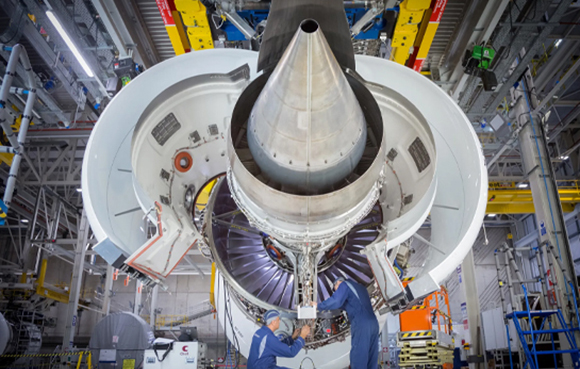
The global commercial aircraft backlog reached a record 17,037 aircraft in July 2026, according to data from ADS, the UK trade association representing the aerospace, defence, security and space sectors. Equivalent to more than twelve years of production at current delivery rates, the record backlog highlights the sustained long-term demand for aerospace manufacturing and its supply chain.
Manufacturers recorded 242 aircraft orders in July, a 537% increase on July 2025 and 85% higher than July 2024, when the Farnborough International Airshow last took place.

A total of 121 aircraft deliveries were recorded during the month, matching 2024 as the highest July delivery total on record, while year-to-date deliveries reached 794 aircraft, representing the strongest January to July delivery performance since 2018.
Globally, 1,573 aircraft orders were placed during the first seven months of 2026, a 31% increase compared with the same period in 2025. Single-aisle aircraft accounted for 1,261 orders, up 78% year-on-year.
Despite the increase in deliveries, demand continues to outpace production, resulting in the expanding backlog. ADS has forecast three scenarios for full-year 2026 deliveries, ranging from 1,490 aircraft under its modest-growth scenario to 1,630 under its high-growth scenario, representing growth of approximately 6–16% compared with 2025.

“The global commercial aircraft market continues to demonstrate remarkable resilience and long-term strength,” stated Kevin Craven, Chief Executive of ADS. “A record backlog of more than 17,000 aircraft provides a clear signal of sustained demand for new aircraft and represents a significant opportunity for the UK’s world-leading aerospace sector.
“While manufacturers continue to face supply chain and industrial challenges, the strongest year-to-date delivery performance since 2018 shows progress is being made. Converting the orderbook into aircraft deliveries will be crucial to realising the full economic benefits for the UK and the wider global aerospace industry,” added Craven.