AUKUS installs shipboard AM part on USS Vermont submarine
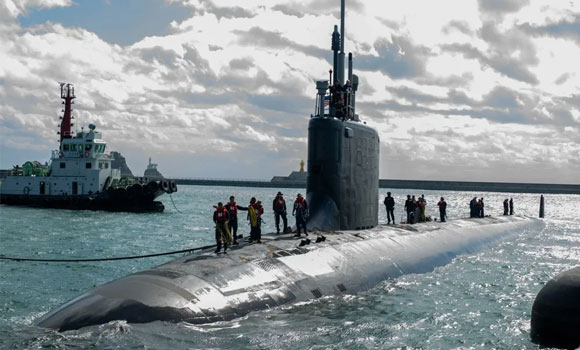
Sailors aboard Emory S Land-class submarine tender USS Frank Cable (AS 40) have successfully produced a fully-metallic submarine component via shipboard Additive Manufacturing, which was then installed on Virginia-class fast-attack submarine USS Vermont (SSN 792) at HMAS Stirling, in a milestone for the AUKUS partnership and the Navy’s Advanced Manufacturing initiative. The project showcased the Submarine Force’s capability to convert a digital technical blueprint into a physical, hybrid-machined metal part. This part was then rapidly manufactured aboard a deployed tender in Guam and successfully installed without requiring a ship inspection, reportedly fitting perfectly on the first attempt.
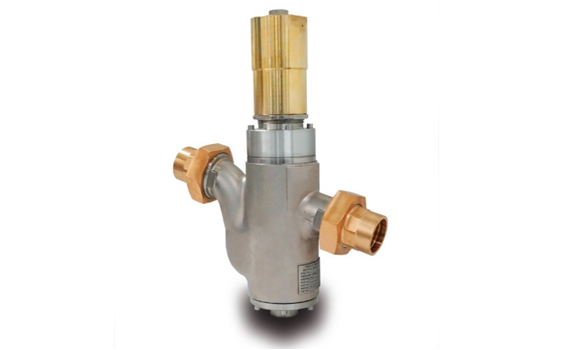
The component, a stainless-steel handwheel for a diesel fuel oil transfer valve, was created using a hybrid additive/subtractive manufacturing machine aboard Frank Cable. US Navy Sailors completed the production in six days, with fewer than five days spent on Additive Manufacturing and under two days on machining. The part was then hand-carried to HMAS Stirling and installed on Vermont the next day.
Capt. Jason Deichler, commander, Submarine Squadron TWO, shared, “This is exactly the kind of distributed, expeditionary manufacturing capability our Navy and Submarine Force is capable of performing. We proved that our Sailors can securely receive data, manufacture critical parts at sea, and deliver them across the Indo-Pacific—all in support of real-world submarine maintenance.”
Deichler said the collaboration also marked a significant step for AUKUS trilateral industrial integration. Representatives of the Royal Navy Submarine Delivery Agency and the Australian Navy expressed interest in expanding their own AM capabilities, and the AUKUS Program Office facilitated the rapid release of technical data to partner nations. This secure release of data enabled Australian teams to manufacture a part capable of being installed on Virginia-class submarines utilising their own subtractive processes.
“This is more than just printing a part—it’s building the foundation of a resilient AUKUS industrial ecosystem that can support submarines wherever they operate,” Deichler added.
This demonstration highlighted a model for the future of maintenance and sustainment. AM can shorten part lead times, improve supply-chain resilience, and help keep forward-deployed forces ready despite distance and operational constraints.
The Navy will continue working with its AUKUS partners to expand manufacturing capacity, develop shared standards, and integrate AM into future submarine sustainment strategies.