TEC licenses Noyron RP for next-gen rocket engine design
LEAP 71, based in Dubai, UAE, and The Exploration Company (TEC), headquartered in Gauting, Germany, have signed a five-year renewable agreement under which TEC will license LEAP 71’s Noyron RP computational engineering technology to support the development of next-generation rocket engines. Noyron can generate functional designs optimised for modern manufacturing processes, including Additive Manufacturing.

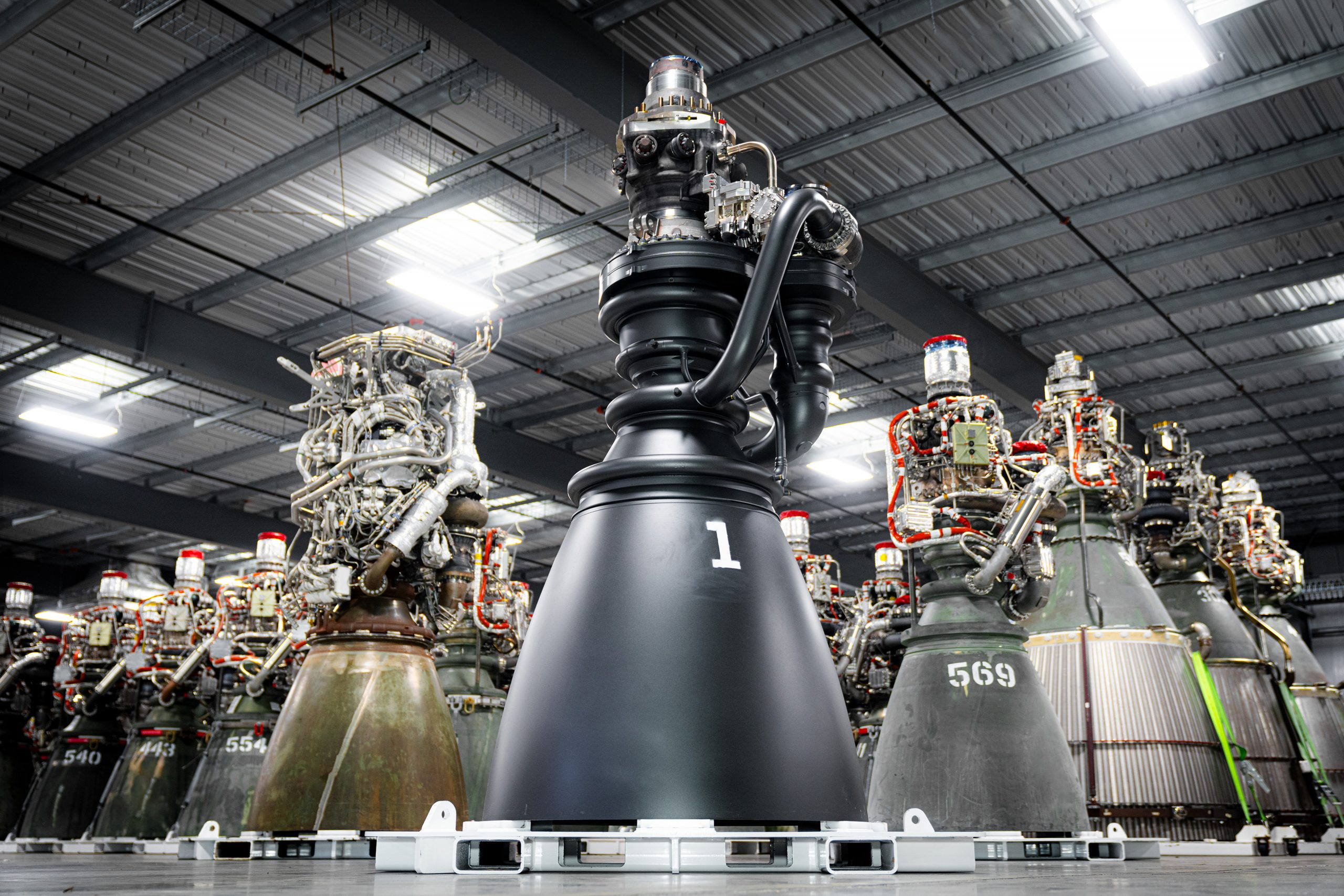
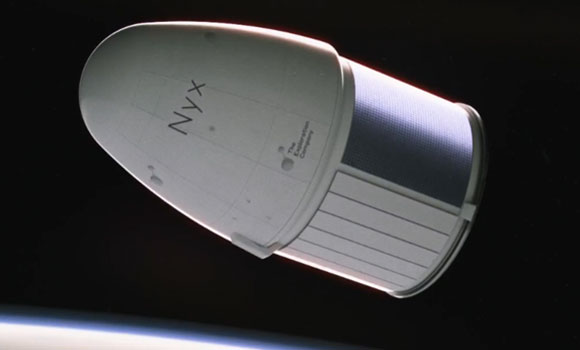
TEC is developing a portfolio of spacecraft and propulsion systems, including the Nyx reusable orbital resupply capsule and the Typhoon rocket engine, a high-thrust, full-flow staged combustion design.
“TEC was founded on agility, building and testing fast while staying rigorous on engineering validation,” stated Hélène Huby, founder and CEO of TEC. “We have been working with LEAP 71 since 2023 and are now taking the next step. Under this agreement, we will use Noyron RP for propulsion component geometry generation as part of our internal computational engineering programme. The goal is to broaden the design space we can explore and support faster iteration across successive test campaigns.”

Noyron RP is described as a large computational engineering model that incorporates physics-based principles, engineering logic, production constraints and empirical data into a system capable of generating rocket engine designs from performance specifications through to manufacturable components.
Josefine Lissner, co-founder and CEO of LEAP 71, added, “Most space companies still rely on labour-intensive geometric design workflows. Noyron enables engineers to adopt a code-first, high-level approach. Over the past two years, we have validated Noyron RP by hot-firing different rocket engine architectures at a cadence of weeks.”
TEC will integrate Noyron RP into its internal development processes, with all generated designs subject to the company’s established analysis and validation procedures.
Founded in 2021, TEC develops modular, reusable spacecraft intended to support space logistics. Its Nyx spacecraft family is designed for cargo missions to low Earth orbit and the lunar vicinity, with longer-term plans for human-rated systems. The company operates across multiple European sites, including Bordeaux, Munich and Turin, alongside international activities in the USA, UAE and Luxembourg.