Ntron and IMR tackle oxygen risks in Powder Bed Fusion AM
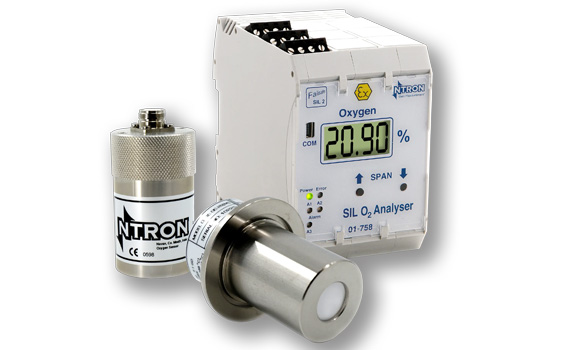
Ntron Gas Measurement, part of the DwyerOmega group, based in Navan, Ireland, reports it is working with Ireland’s leading independent research and technology organisation, Irish Manufacturing Research (IMR), on a project exploring the effect of off-gas contamination in Powder Bed Fusion (PBF) metal Additive Manufacturing machines. The team are studying how this can affect oxygen sensor performance and exploring methods for mitigating this contamination across a range of different materials.
Powder Bed Fusion often combines lasers or electron beams with fine powders such as aluminium or titanium. This mix of intense heat and reactive fuel is an ignition risk in the presence of oxygen, with the potential for an explosion.
“For all the benefits of Powder Bed Fusion (PBF) metal Additive Manufacturing, there are a number of safety challenges that must be addressed to protect people, equipment, and productivity,” stated David Beirne, Managing Director of Ntron Gas Measurement.
“The risk increases because metal powders are supplied with an oxide layer that can be stripped away during handling and printing, leaving exposed surfaces that react violently when oxygen is present,” explained Beirne.
To address these risks, most PBF machines operate with an inert gas atmosphere, using argon or nitrogen to keep oxygen concentration low. This removes one side of the fire triangle, preventing flammable or explosive conditions from developing. This safety approach hinges on knowing and controlling the amount of oxygen in the inert atmosphere, Beirne stated. If oxygen creeps above a critical threshold, the environment inside the AM machine/build chamber can quickly shift from ‘safe’ to ‘explosive’. With ignition sources such as lasers always present, robust oxygen monitoring becomes central to both safety and compliance.
The regulatory picture
Europe’s ATEX directives classify how workplaces should manage explosive atmospheres. Zones (20, 21, 22) define how often such atmospheres are expected to occur and set the level of control required. For AM, the challenge lies in deciding whether an inert environment such as a PBF build chamber should be considered a hazardous zone and, if so, at what level. That depends entirely on the reliability of the inerting and monitoring systems in place, says Beirne.
Different perspectives, same problem
“If the challenge here is clear, the path to managing it is more complex. A web of international standards guides how machine suppliers and operators should approach safety, and these are not always perfectly aligned,” continued Beirne.
An example of this misalignment is the way standards are followed in different parts of the workflow: machine suppliers follow machinery standards (IEC 13849 / IEC 62061), focusing on protecting operators who interact directly with the AM machine, while operators follow process industry standards (IEC 61511), which require them to consider wider risks, including the potential impact of explosions beyond the AM machine itself. This means a safety system designed to meet a supplier’s requirements may not be enough for an operator’s broader responsibilities.
Why SIL matters
Safety Integrity Level (SIL) is the global measure of how reliable a safety system is. In AM, SIL applies to systems that keep oxygen levels low enough to prevent explosive conditions. For suppliers, this often means designing in ‘high demand’ mode, assuming failures happen at least once a year. Operators, however, may want to take credit for less frequent failures (’low demand’ mode) and use proof testing and diagnostics to justify a higher SIL.
Regulations make this point clear: the safety system must be separate from the process control system. In practice, this means AM machines need two layers of control:
- Process inerting to maintain low oxygen for build quality
- Independent oxygen monitoring to step in if the first system fails
This dual approach ensures compliance with directives like ATEX 2014/34/EU, which explicitly require safety devices to function independently. Maintaining that independence also means ensuring sensors perform reliably over time.
At IMR’s advanced Additive Manufacturing facility, analysers from Ntron are installed on production-scale machines to be tested under real-world operating conditions, reflecting the demands of OEMs and end-users. This work is key to ensuring independent safety systems remain dependable in theory and practice.
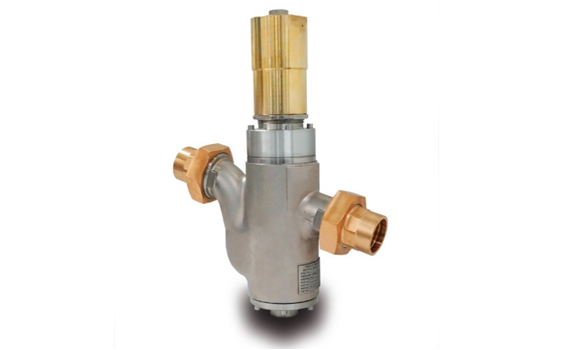
”Our SILO2 oxygen analyser is purpose-built for that dual approach, made for environments where both quality and safety depend on ultra-low oxygen levels,” stated Beirne. To achieve this, the SILO2 offers high-integrity measurement to meet SIL requirements, independent monitoring capability, and flexibility across standards.
“By delivering reliable, standards-compliant oxygen measurement, the SILO2 analyser enables suppliers to design safer systems, and gives operators the assurance they need to classify their processes as safe rather than hazardous,” said Beirne.
Beirne concluded that while metal AM’s potential is enormous, there are risks. “Aligning machine design, operator responsibilities, and safety standards requires robust, independent oxygen monitoring. Using tools such as the SILO2 analyser, suppliers can deliver systems that meet demanding safety requirements while operators gain peace of mind that their processes are protected,” he added.