Russell Finex reports customer safety and throughput boost with automated powder sieving
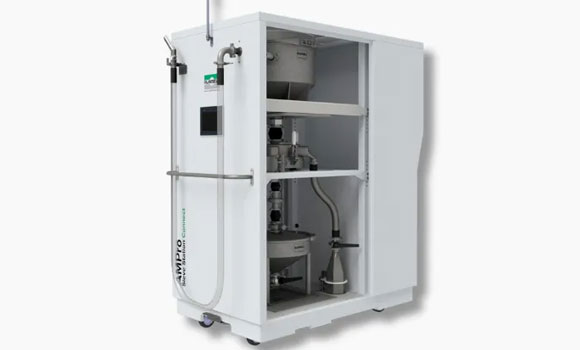
Russell Finex, based in Feltham, UK, has reported that a global manufacturer of flow control systems has automated powder recovery and reloading with its Russell AMPro Sieve Station Connect. The upgrade is said to have reduced Additive Manufacturing lead times from thirteen weeks to three, while improving operator safety and powder management efficiency.
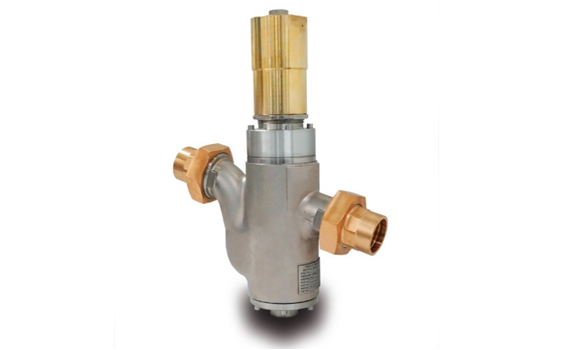
The customer, which provides after-sales service and spare parts for pumps, valves, seals, sensors, and actuators, previously relied on conventional manufacturing techniques. As corrosion, wear, and debris often necessitated replacement components, the thirteen-week turnaround times prompted a move toward Additive Manufacturing.
To pilot the new process, an Italian facility began producing 316L stainless steel parts using a 350 Flex Additive Manufacturing machine from 3D Systems, Rock Hill, South Carolina, USA. With no prior experience in AM, the manufacturer sought guidance on powder handling and was told that manual lifting of heavy powder containers was both time-consuming and unsafe.
Automated powder handling aim to improve safety and throughput
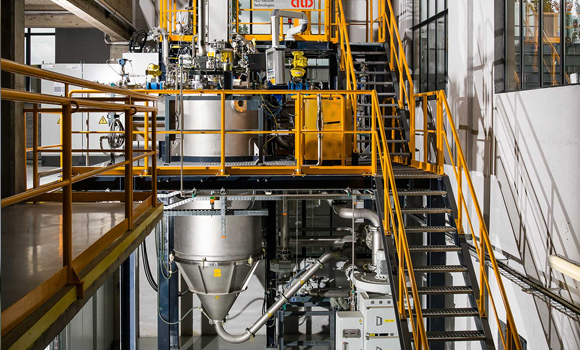
On the recommendation of 3D Systems, the manufacturer partnered with Russell Finex to implement a fully automated powder management system. Two Russell AMPro Sieve Station Connect units were installed to sieve and convey both virgin and recycled powder, offering integration with the Additive Manufacturing setup.
During product trials, Russell Finex customised the equipment to automate the entire powder recovery and reloading process, enabling reported throughput rates of up to 900 kilograms per hour. The bespoke design empties the Additive Manufacturing post-build and refills it automatically, eliminating the need for manual lifting or external lifters.
A built-in vacuum conveying system extracts and reloads powder through a cyclone boom arm, ensuring a closed-loop process with minimal operator exposure. As a result, powder handling time and labour requirements were said to have been reduced, and operators are protected from contact with metal powder.
The manufacturer’s transition to Additive Manufacturing is also said to have improved component quality. Parts now exhibit a more consistent microstructure, and the balancing of rotating components has become simpler due to superior build precision compared to traditional casting methods.