US Navy deploys ADDiTEC HYBRiD-X aboard USS Theodore Roosevelt
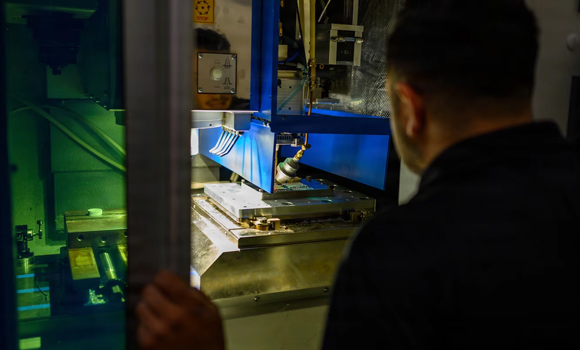
The US Navy has deployed a HYBRiD-X containerised hybrid metal Additive Manufacturing (AM) machine from ADDiTEC, headquartered in Palm City, Florida, USA, aboard the Nimitz-class aircraft carrier USS Theodore Roosevelt (CVN 71) during Exercise Rim of the Pacific (RIMPAC) 2026. This is reported to mark the first operational use of the expeditionary manufacturing machine on a US Navy aircraft carrier.
The HYBRiD-X integrates Laser Directed Energy Deposition (DED), Liquid Metal Jetting (LMJ) and CNC machining within a single containerised machine. Using metal wire feedstock for both Additive Manufacturing processes, the machine is intended to manufacture new metal components, repair existing parts and finish components by machining without transferring workpieces between separate machines. The platform also supports multi-material processing through dual deposition heads and has been developed for deployment in expeditionary and remote operating environments.
The machine was deployed through the Naval Postgraduate School’s Consortium for Advanced Manufacturing Research and Education (CAMRE), with support from FLEETWERX. According to the US Navy, the capability enabled by the HYBRiD-X will allow sailors to manufacture and repair critical metal components aboard ship, reducing lead times for replacement parts and increasing operational flexibility during extended deployments.
“We have been successful integrating because of Sailors and Marines’ willingness to learn and work together,” stated US Marine Corps Sgt Ronald Bair of the Marine Innovation Unit (MIU), serving as a subject matter expert aboard Theodore Roosevelt. “Getting exposure to different parts and machines has helped me learn and improve while also training Sailors how to use the new equipment.”
US Navy Aviation Structural Mechanic 1st Class Scott Barber said the capability enables maintenance teams to respond more quickly to equipment failures.
“We now have the ability to diagnose the problem and come up with a solution,” Barber stated. “The entire idea is to be able to cut down lead time by a significant amount. This allows us to maintain capabilities and operational readiness.”
The deployment builds on several years of CAMRE- and FLEETWERX-led research into expeditionary Additive Manufacturing. Initial evaluations were undertaken ashore before progressing to shipboard and expeditionary trials, leading to the current deployment aboard Theodore Roosevelt.
The deployment aboard Theodore Roosevelt represents a further step in the US Navy’s evaluation of expeditionary Additive Manufacturing, assessing its ability to manufacture and repair metal components at sea while reducing dependence on conventional supply chains. It follows an earlier announcement by Phillips Corporation covering the planned use of containerised hybrid AM machines during RIMPAC 2026.